


FSR Andris Piebalgs to address G20 at UNEP workshop
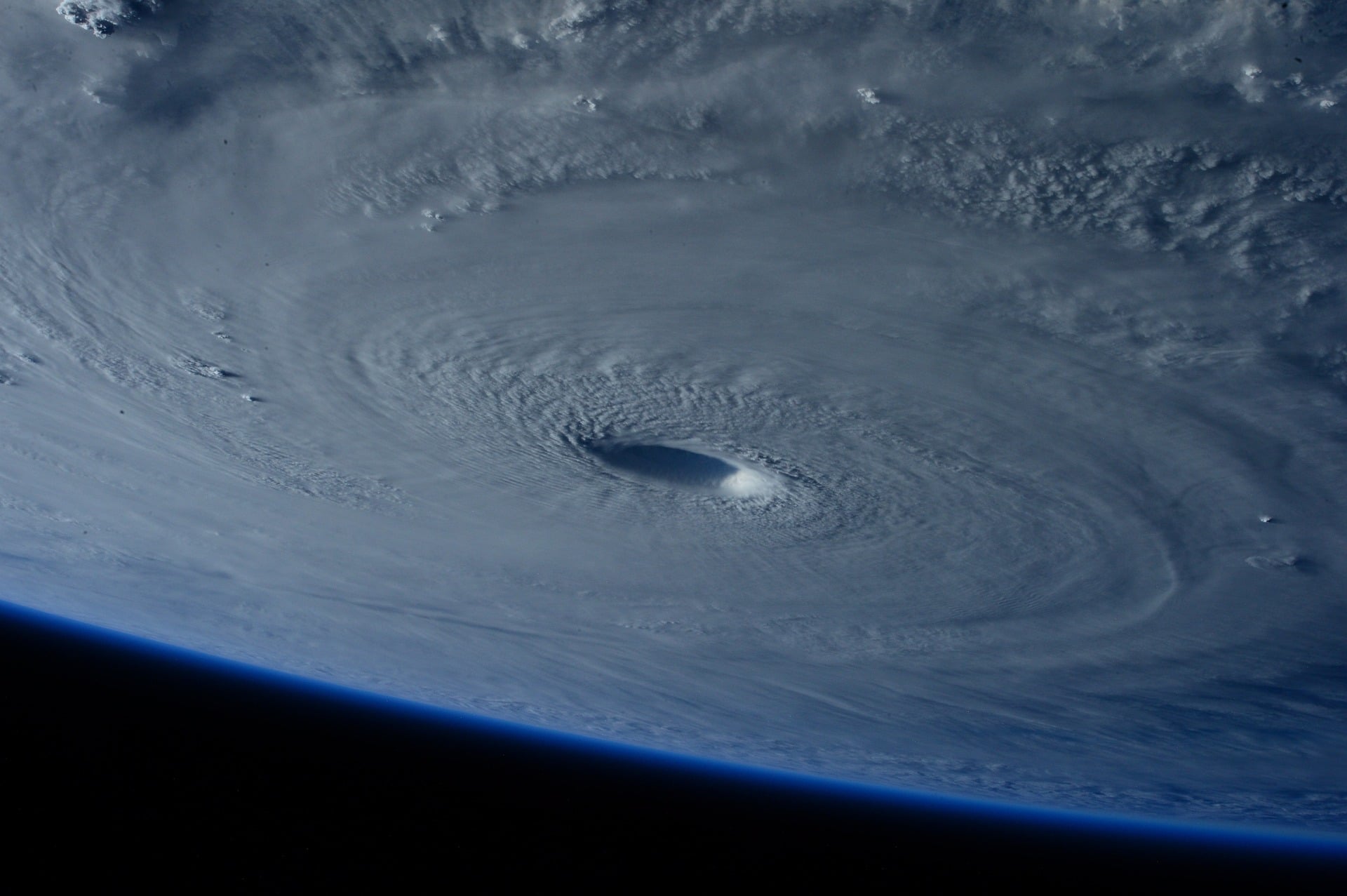
Today Tuesday, May 4, Andris Piebalgs, FSR part-time Professor, will address the G20 representatives at United Nations Environment Programme (UNEP) workshop ‘From data to action: the International Methane Emissions Observatory as a catalyst for global methane emissions reduction’.
The workshop aims to present the science underlying the need for fast action on methane emissions and the substantial mitigation potential in the oil and gas sector, as well as to solicit broader support for the International Methane Emissions Observatory (IMEO), which was established at the beginning of March.
On the International Methane Emissions Observatory, professor Piebalgs noted:
“The core function of the IMEO is to follow anthropogenic methane emissions to the atmosphere using all available sources and make the results public. This will help governments, regulators, and industry to take methane emissions mitigation measures.”
G20 representatives will be briefed by subject experts, including Piebalgs in an effort to identify concrete actions that the countries could undertake to curb fossil fuel emissions.
G20 could address the methane emissions mitigation challenge as a collective initiative and also individually increasing the role of methane in the Nationally Determined Contributions (NDCs).
Other interventions during the workshop will be delivered by the representatives from the European Commission, International Energy Agency (IEA), Environmental Defence Fund, United Nations Environment Programme.
The event, in collaboration with the European Commission and the International Energy Agency, is held under the G20 Italian Presidency.
More information on the event can be found here.
Don’t miss any update on this topic
Sign up for free and access the latest publications and insights
More on the topic