



Type of event: Workshop
Electrifying European Energy Demand
FSR Regulatory Policy Workshop Series 2026-2027

The Workshop will take stock of current progress towards the electrification of energy demand in the EU, identify the main barriers that have so far hampered this process, and examine the policies and measures most likely to accelerate electrification.
The 2020 Energy System Integration Strategy identified electrification, based on renewable electricity, as one of the three complementary and mutually reinforcing approaches to delivering low-carbon, reliable and resource-efficient energy services at the lowest possible cost to society. In July 2026, the European Commission published its Electrification Action Plan, proposing 14 sets of actions, including an indicative electrification target of 46% by 2040.
The Worksop will first take stock of the current developments towards the electrification of energy demand in the EU, identifying the main barriers which have so far hampered such a process, including among those highlights by the Commission in the Plan. The Workshop will then seek to recognise, including from among the measures proposed in the Plan, the ones likely to have the greatest impact in speeding electrification up.
Correspondingly, the Workshop will be structured in an opening part followed by three sessions:
– Session I, in the morning, will review the recent and current trends in electrification, assessing its potentials in the different sectors;
– Session II, also in the morning, will aim at identifying the barriers slowing the electrification process down;
– Session III, in the afternoon, will discuss which actions, including among those proposed by the Commission in the Plan, are likely to have the greatest impact in speeding electrification of energy demand up.
Please note that this event is by invitation only and exclusively reserved for donors of the Florence School of Regulation.
At the EUI and the Robert Schuman Centre, we are dedicated to removing barriers and providing equal opportunities for everyone. Please indicate in the registration form your accessibility needs, if any. Alternatively, you can contact the logistics organiser of the event.
At FSR, we actively work to achieve gender-balanced representation at all our events. As a platform that connects diverse voices and perspectives in the sector, we strongly value inclusive and gender-balanced panel debates and training courses.
Don’t miss any update on our events
Sign up for free and access the latest events from our community.
More on the topic











Biogases and Biomethane in the EU
Market Context and Biomethane Support Architectures
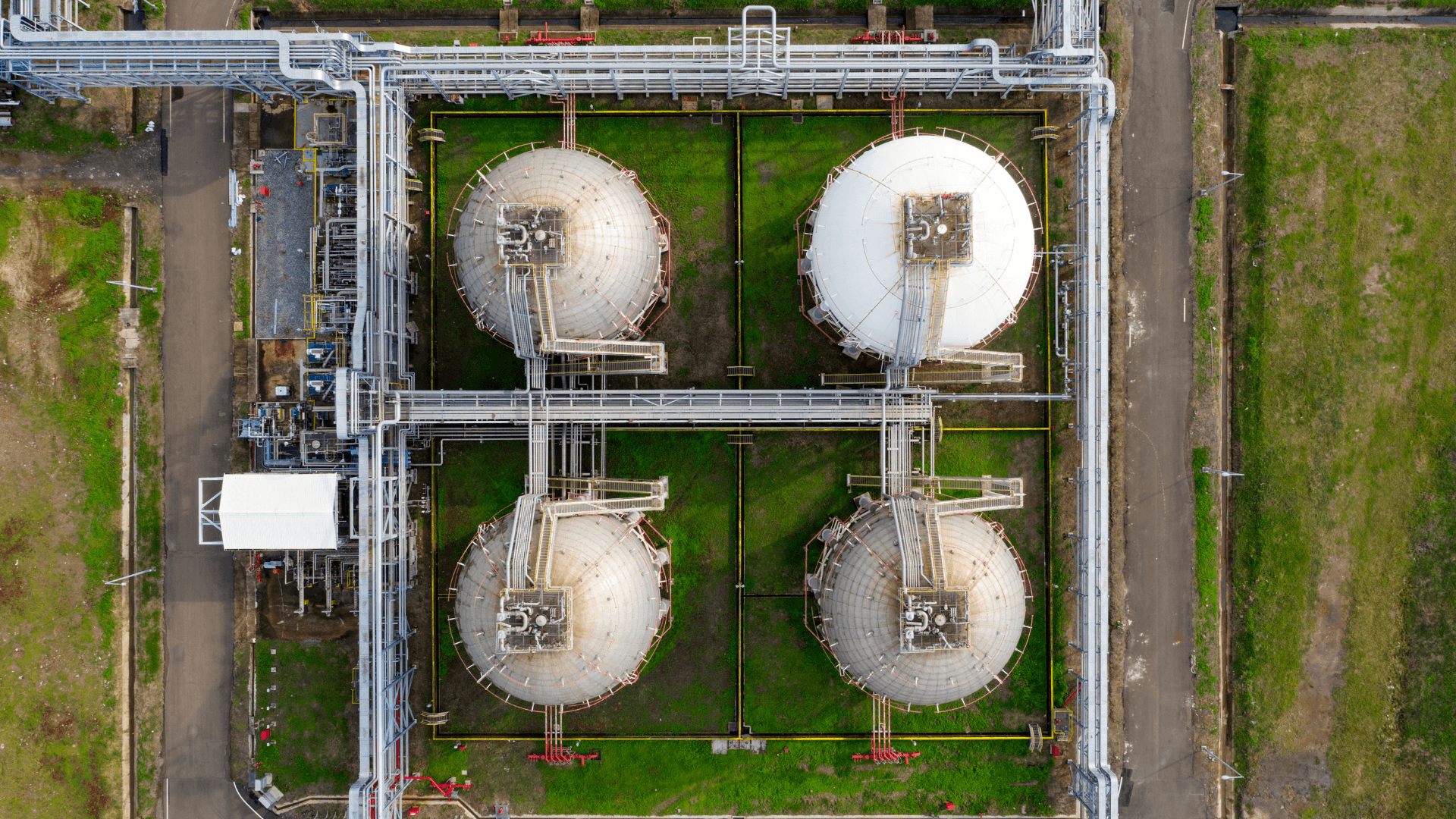
This workshop will examine the role of biogases and biomethane in the EU energy transition, with a focus on how Member States design biomethane support architectures and how different policy objectives, market structures and national circumstances shape approaches across Europe.
As the European Union seeks to strengthen its energy security, competitiveness and decarbonisation efforts, biogases and biomethane are increasingly recognised as a relevant component of the future energy system. While Member States pursue ambitious deployment targets, they have adopted diverse policy objectives and support architectures reflecting different resource bases, market structures and national priorities.
Against this background, the workshop will explore the evolving role of biogases and biomethane in the European energy transition, opening with a DG ENER-led session on biogases in the post-2030 framework before moving to an in-person discussion on biomethane national approaches to biomethane deployment across Member States.
Discussions will focus on the policy objectives shaping biomethane support frameworks, the role of different policy instruments, and how national circumstances influence market development across Europe.
Particular attention will be given to the interaction between policy objectives, support mechanisms and market conditions, including capital grants, feed-in tariffs and premiums, demand-side obligations, greenhouse gas reduction schemes, certification systems and voluntary procurement mechanisms.
The event will bring together representatives from EU institutions, Member States, regulators, biomethane and gas associations, infrastructure and certification actors, market participants, and academic experts to exchange views on the conditions needed for the further development of biomethane markets in Europe.
To encourage an open and candid exchange of views, the workshop will be held under the Chatham House Rule and participation is by invitation only.
At FSR we actively work to achieve gender-balanced representation at all our events. As a platform that connects diverse voices and perspectives in the sector, we firmly value inclusive and gender-balanced panel debates and training activities.
Don’t miss any update on our events
Sign up for free and access the latest events from our community.




From the Space Economy to Space Economics

This workshop will explore how economic theory and empirical methods can be applied to the rapidly expanding space sector, aiming to establish space economics as a recognised academic field and to examine how regulation and market design shape space activities and investments.
Space technologies are being woven into every sector of the economy at an unprecedented pace, creating impacts that ripple across infrastructure, governance, and commerce. The economic impact? It is no longer measured it in billions, but trillions. And the transformation has only just begun. Despite this explosive growth, space economics is not yet established as an academic discipline. While industry analysts track market trends, measure the size of the space economy and, in some cases, the impact of space activities on the broader economy, there remains a critical gap: the rigorous conceptual frameworks, empirical methods, and scholarly production needed to truly capture the impact of regulations and market design on space operations and investments.
To address this gap and establish space economics as a recognized field of study, the European Space Policy Institute (ESPI) in collaboration with the Florence School of Regulation, will be co-organising a workshop titled “From the Space Economy to Space Economics . This workshop aims to investigate diverse research methodologies applied to space, and to cultivate a community of space economists who can advance the discipline.
The workshop will explore three methodological approaches:
-Market models – equilibrium models that capture the impact of regulation and market design on space operations and investment
-Econometric analysis – benchmarking the economic performance of space companies, space markets, and space policies using empirical data
-Conceptual analysis – qualitative and theoretical work that advances economic understanding of space
The seminar is designed to fully engage all participants in exploring the foundations of space economics as an academic discipline. Each session will feature a presenter who introduces the key research approach, followed by a discussant who will offer critical perspectives and raise questions for debate. Each session will then feature a roundtable discussion where all participants are invited to challenge assumptions, share insights from their own research, and collectively shape the contours of this emerging field.
Expression of interest
The seminar is designed for space professionals engaged in economic policy and academics seeking to contribute to the development of space economics as a scholarly discipline. To ensure a high-quality, interactive learning environment, participation is capped at 20 attendees.
Interested candidates are invited to submit an Expression of Interest through the online application form, along with:
· A short curriculum vitae (CV), and
· A letter of motivation
Selected participants will be notified of the outcome of their application by email.
At the EUI and the Robert Schuman Centre, we are dedicated to removing barriers and providing equal opportunities for everyone. Please indicate in the registration form your accessibility needs, if any. Alternatively, you can contact the logistics organiser of the event.
At FSR, we actively work to achieve gender-balanced representation at all our events. As a platform that connects diverse voices and perspectives in the sector, we strongly value inclusive and gender-balanced panel debates and training courses.
Don’t miss any update on our events
Sign up for free and access the latest events from our community.
More on the topic

Enabling biomethane deployment through policy and regulation
Online workshop

This online workshop will provide policymakers with a structured overview of how biomethane policy frameworks are evolving in Europe.
It will focus on national support architectures, the implementation of the EU decarbonised gas framework, and the interaction between energy, agricultural and environmental policy.
Participants will explore why biomethane support may be needed, which market failures, risks and barriers still affect deployment, and how different support instruments can be combined into coherent national policy frameworks. The workshop will also place biomethane support schemes in the broader context of recent EU gas market reforms, including the Hydrogen and Decarbonised Gas Market Package and their implications for infrastructure access, market integration and regulatory coordination
The final part of the programme will look beyond energy policy, considering how agricultural regulations can enable or constrain biomethane deployment. Through expert presentations and discussion, participants will reflect on how national frameworks can be designed in a way that is effective, coherent and compatible with the broader EU policy framework.
The workshop is hosted in the context of the European Biomethane Week.
Programme
Morning Sessions: Biomethane support frameworks and national policy design
10.30 – 11.25
Why biomethane support is needed: market failures, risks and barriers
Marzia Sesini | FSR
11.25 – 12.30
From support instruments to national policy architectures
Marzia Sesini | FSR
12.30 – 13.30
Lunch break
Afternoon Sessions: EU implementation and cross-sectoral policy interfaces
13.30 – 14.25
The Gas Package and national transposition: what matters for biomethane
Andris Piebalgs | FSR
14.25 – 15.20
Biomethane beyond energy policy: agriculture, fertilisers, digestate and environmental regulation
Fabio Santeramo | University of Foggia
15.20 – 15.30
Closing discussion
From EU targets to national implementation: what should policymakers prioritise?
Moderated by Andris Piebalgs | FSR
The workshop is free of charge, but registration is required.
Register by 13 September 2026
Don’t miss any update on our events
Sign up for free and access the latest events from our community.
More on the topic
Empowering energy consumers and promoting system flexibility in the age of artificial intelligence
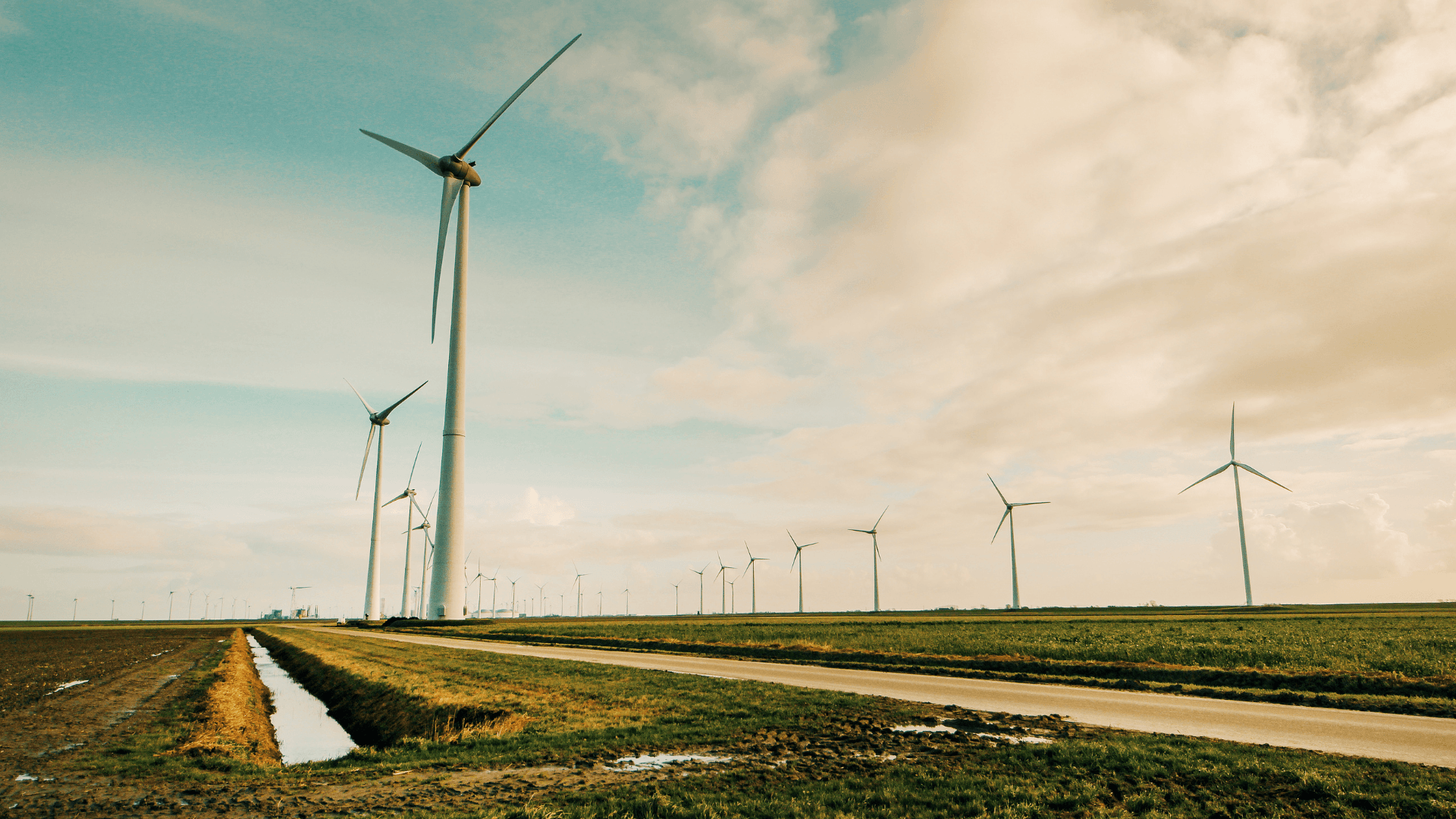
This workshop will examine how digitalisation and artificial intelligence can enhance consumer empowerment and system flexibility in the EU energy market, focusing on the development of a common energy data space and the adequacy of existing consumer protection rules.
The Internal Energy Market (IEM) ultimately aims at providing greater choice and better prices to energy consumers, through a sustainable energy system, and at promoting security of supply. Empowering energy consumers, so that they take full advantage of the opportunities provided by the IEM, has proven to be a challenge since the liberalisation of the European retail energy market. At the same time, the energy sector is undergoing a profound transformation, with an increasing penetration of renewable sources to pursue decarbonisation and security of supply, with the related challenge of making the energy system more flexible. Digitalisation and Artificial Intelligence (AI) open new perspectives for energy-related services to consumers and support the greater flexibility of the energy system. This Workshop focuses on two relevant aspects associated with the digitalisation of the energy sector and the potential role of AI: (i) the need and the best way to enhance energy data exchange across the EU and to develop AI Foundational Models for the energy sector; and (ii) the need to assess to what extent the current horizontal and sectoral consumer protection legislation is fit for the future.
The Workshop will be structured in an opening part followed by three sessions:
– Session I, in the morning, will discuss the value of enhancing energy data exchange across the EU for improving the planning and operation of the energy system, for facilitating the development of innovative energy-related services for consumers and for supporting the development of AI models for the energy sector, identifying the main uses of the data and models, but also highlighting any challenge in the process;
– Session II, also in the morning, will focus on the governance of energy data exchange across the EU, exploring different frameworks and evaluating merits and challenges of each of them.
– Session III, in the afternoon, will discuss the consumer protection framework within which consumers, and in particular residential customers, will be able to be engaged in the future energy sector.
Please note that this event is by invitation only and exclusively reserved for donors of the Florence School of Regulation.
At the EUI and the Robert Schuman Centre, we are dedicated to removing barriers and providing equal opportunities for everyone. Please indicate in the registration form your accessibility needs, if any. Alternatively, you can contact the logistics organiser of the event.
At FSR, we actively work to achieve gender-balanced representation at all our events. As a platform that connects diverse voices and perspectives in the sector, we strongly value inclusive and gender-balanced panel debates and training courses.
Don’t miss any update on our events
Sign up for free and access the latest events from our community.
More on the topic
37th Young Energy Economists and Engineers Seminar (YEEES)

YEEES is a long-standing seminar series offering PhD students in energy engineering and energy economics modelling the opportunity to present their work and receive feedback from peers and senior experts.
The Florence School of Regulation is pleased to host the 37th edition of the Young Energy Economists and Engineers Seminar (YEEES), a long-standing network and working paper seminar for PhD researchers in the fields of energy economics, engineering, and energy system modelling.
Founded in 2006 by Yannick Perez and Leonardo Meeus, YEEES brings together emerging scholars twice a year to present their work, receive constructive feedback, and build a community of young researchers across Europe and beyond. Previous editions have been organised in Leuven, Dresden, Vienna, Paris, Madrid, Florence, Cambridge, Dublin, Berlin, Stockholm, Basel, Edinburgh, Nuremberg, Lodz, Delft, Ghent, Copenhagen, and other academic hubs.
We invite PhD students working on topics related to engineering and economic modelling for energy systems to submit an abstract and register for consideration.
About the seminar
YEEES is designed as a working paper seminar that provides PhD students with in-depth feedback on their ongoing research. Each selected participant:
- presents their working paper (15–20 minutes),
- receives comments from two reviewers:
- one senior reviewer (a professor or post-doctoral researcher identified by the organisers),
- one junior reviewer (another participating PhD student),
- acts as a junior reviewer for another participant’s paper.
Review assignments are made by the organisers according to the reviewers’ fields of expertise. The aim is to create a constructive, rigorous, and friendly environment where young researchers can refine their work and expand their academic network.
Who should apply
The seminar is open to PhD students whose research focuses on:
- Energy economics
- Energy system modelling
- Engineering approaches to electricity and gas systems
- Market design and regulatory modelling
- Renewable integration modelling
- Power system flexibility and storage
- Techno-economic analysis and optimisation models
- Demand modelling, forecasting, and related areas
The selection process ensures that accepted abstracts align with the scientific scope of the seminar.
Submission and Selection Process
Participation in the seminar follows a two-stage submission process:
1. Abstract Submission & Registration
Deadline: 18 January 2026
PhD students submit an abstract and register through the online form. Abstracts are evaluated based on their relevance to the seminar’s themes.
2. Notification of Acceptance
23 January 2026
Selected candidates are invited to submit their full papers.
3. Full Paper Submission
Deadline: 29 March 2026
Full papers are required to assign junior and senior reviewers.
4. Reviewer Feedback Submission (Junior Reviewers)
Deadline: 13 April 2026
Each participant submits written feedback on the paper they have been assigned to review.
All selected participants will receive detailed guidance and deadlines by email following acceptance.
Don’t miss any update on our events
Sign up for free and access the latest events from our community.
More on the topic
Linking urban multimodal hubs to the High-Speed Rail
16th Intermodal Forum

During the 16th Florence Intermodal Forum, co-organised by the Transport Area of the Florence School of Regulation together with the EC’s DG MOVE, experts explored the best practices, identify persistent bottlenecks, and discuss the governance frameworks needed to establish efficient multimodal hubs.
European cities face urgent challenges in decarbonization, congestion, road safety, and managing growing passenger and tourist traffic. Stakeholders must now rethink how people move across and within cities. Over the last few years, Europe has accelerated the rollout of new High-Speed Rail (HSR) corridors, thanks to the 2024 amendment to the TEN-T regulation. However, the challenge is not restricted to building faster lines, but it extends to ensuring that urban multimodal hubs become seamless gateways between long-distance rail and urban mobility. For these reasons, the integration of urban multimodal hubs with the ever-expanding HSR network is pivotal to support the EU’s transport policy agenda.
The recently published High-Speed Rail Action Plan aims to reduce journey times, eliminate cross-border bottlenecks, harmonise standards, and enhance cross-border ticketing systems to promote competition and interoperability in the HSR market. However, there is a need to integrate HSR with urban mobility planning, as urban space constraints, fragmented planning processes, and technical interoperability issues limit the efficiency of all services. Effective urban planning is crucial as it integrates land use, mobility, and accessibility into a cohesive strategy. It ensures that transport infrastructure supports sustainable growth, reduces congestion, and enhances connectivity between neighbourhoods and economic hubs. In the context of HSR, urban planning determines how stations are embedded within cities, influencing patterns of development. Service connectivity and the evolving needs of passengers who are now increasingly using HSR services instead of short-haul flights. This requires reliable and properly integrated last-mile services. However, governance is the critical enabler for seamless mobility as it coordinates the interests and responsibilities of HSR infrastructure managers, train operators, and urban public transport authorities.
Therefore, the 16th Florence Intermodal Forum explored the best practices, identify persistent bottlenecks, and discuss the governance frameworks needed to establish efficient multimodal hubs. The Forum, co-organised by the Transport Area of the Florence School of Regulation together with the EC’s DG MOVE, tackled the following questions:
- Integrating High-Speed Rail with Urban Multimodal Hubs: What are the main challenges (e.g., urban space constraints, disparities between urban and rail planning, etc)? What are best practices? What are the key elements of the ideal hub to ensure a seamless flow of travellers?
- Services connectivity: The door-to-door travel offer using EU high-speed rail as the backbone should serve all passenger segments from business to sustainable tourism. What are their needs in terms of last-mile mobility service in cities? What type of investments are necessary?
- Governance – Integration of High-Speed Rail stakeholders with urban mobility stakeholders in order to provide a seamless experience to travellers: Which instruments are currently available or should be developed in order to better coordinate high-speed rail and urban mobility connectivity? Is there a role for multimodal (railway) hub managers? Is there a role for SUMPs to play? What roles for Urban Public Transport Authorities/operators, high-speed rail infrastructure managers and services providers, TEN-T coordinators, others?
Kindly note that the event is by invitation only.
Presentations
- Our approach to design and implementation of multimodat transportation hubs - Port Polska
- INTEGRATING HIGH-SPEED RAIL WITH URBAN MULTIMODAL HUBS - EIB Mobility
- Connecting High-Speed Rail to Urban Mobility: the Île-de-France case study
- Hubs and interchanges: how to generate quality by governance?
Don’t miss any update on our events
Sign up for free and access the latest events from our community.



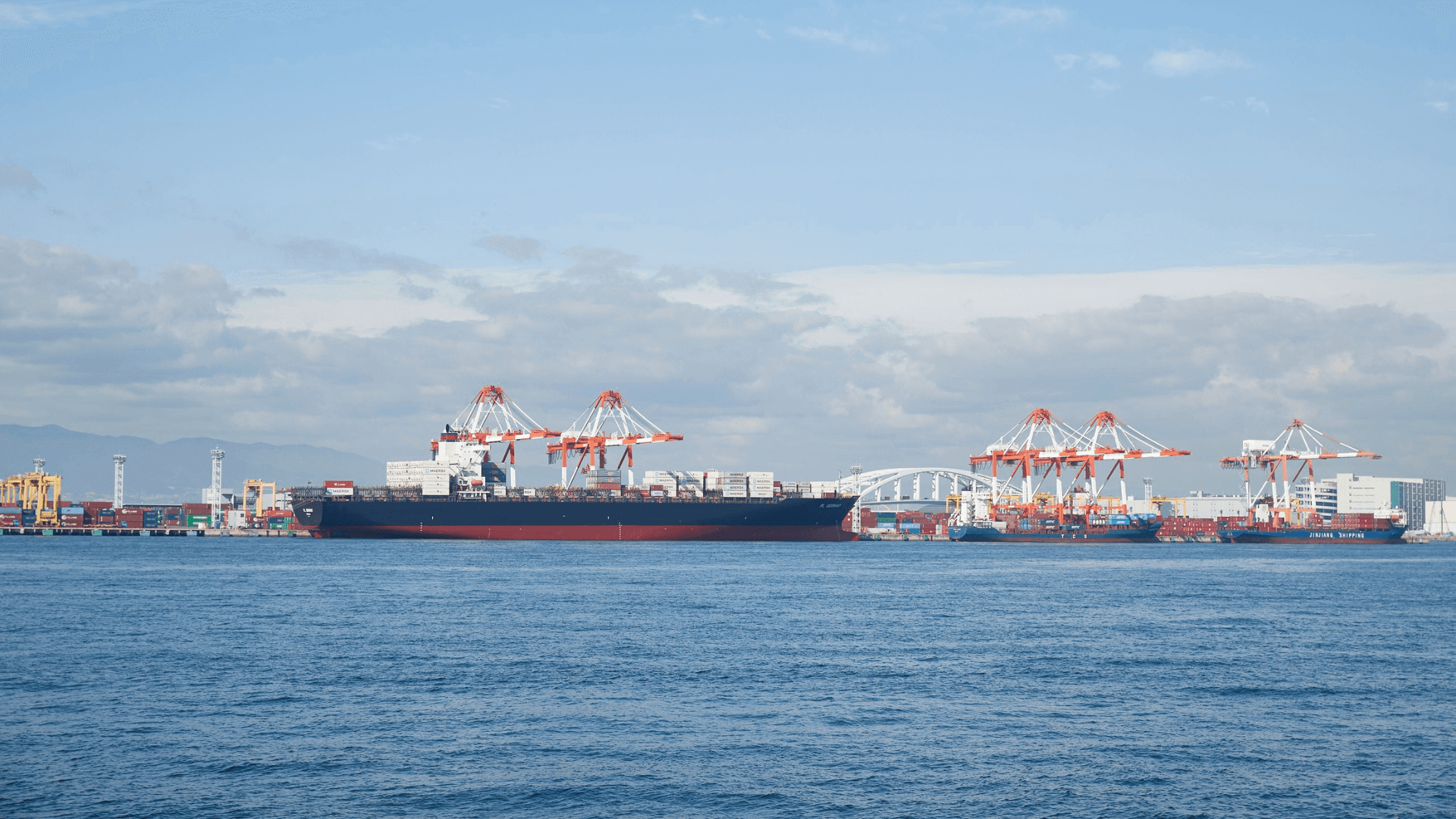
Enhancing planning and implementation of European Energy infrastructure
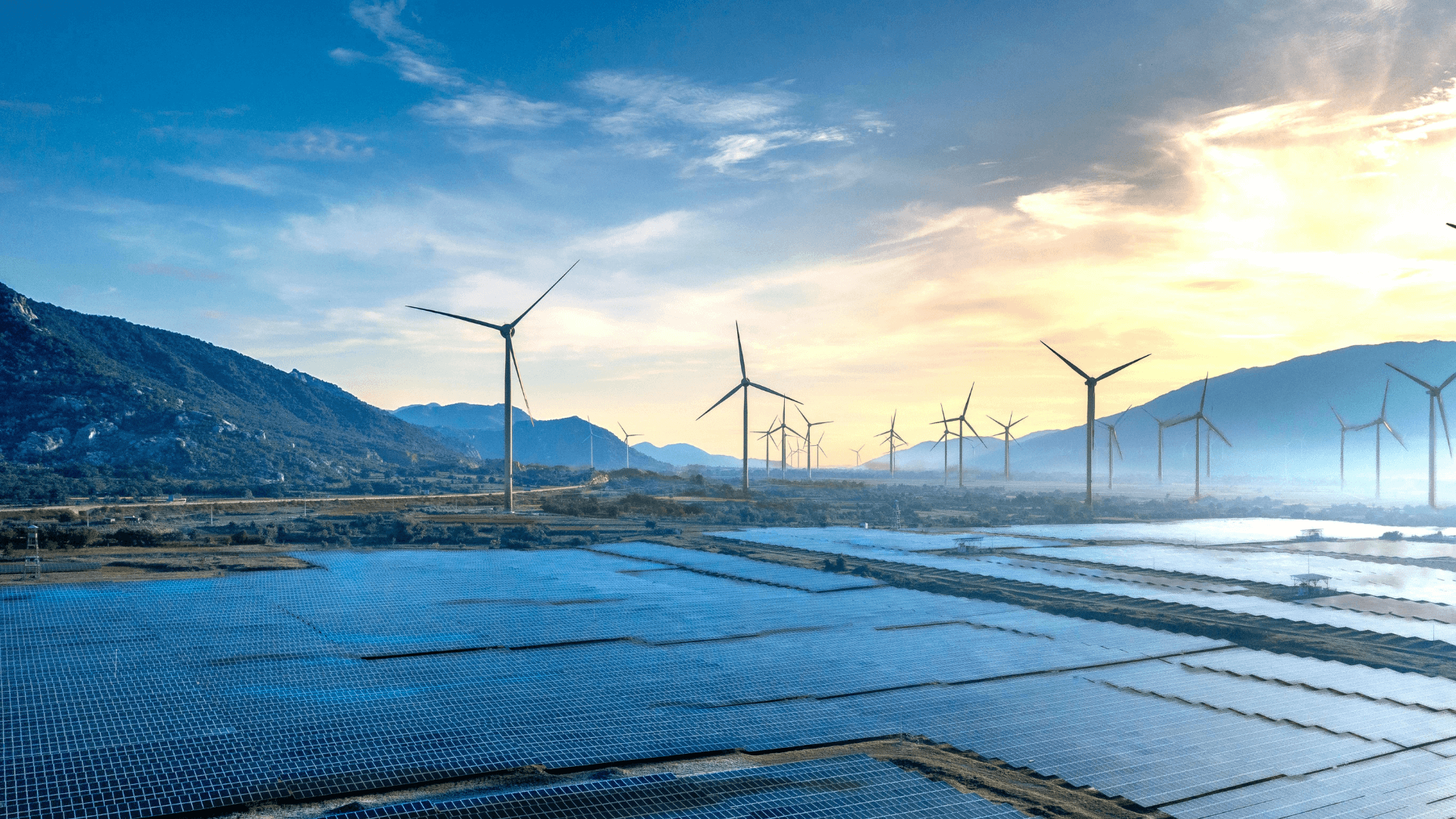
Join this workshop where experts discuss the Commission’s proposals with regards to enhancing European energy infrastructure planning, speeding up European energy infrastructure projects implementation and the European Energy Highways.
Energy networks play an essential role in promoting competition, decarbonisation of energy demand, and security of supply. While the current regulatory framework has successfully supported market integration across the EU, energy networks must now rapidly adapt to a more decentralised, digitalised, and flexible energy system in a fast‑evolving geopolitical context.
On 10 December 2025, the European Commission proposed a European Grids Package and an Energy Highways Initiative to enable energy to flow more efficiently across Member States, integrate cheaper clean energy, accelerate electrification, lower energy prices, and support energy security as Europe moves away from Russian energy imports. The proposals aim to bring a truly European perspective to infrastructure planning, accelerate permitting procedures, and ensure a fairer allocation of costs for cross‑border projects.
The European Grids Package introduces a more centralised approach to infrastructure planning, strengthens EU‑wide cross‑border planning, improves coordination between transmission and distribution grids, incentivises smart and digital grid solutions, and embeds the “energy efficiency first” principle. It comprises two legislative proposals (amending the TEN‑E framework and accelerating permit‑granting procedures) and two guidance notes on grid connections and contracts for difference.
To accelerate implementation, the Package proposes simplified EU‑level permitting frameworks, enhanced support for PCI/PMI projects, improved cost‑benefit transparency, strengthened infrastructure security and resilience (including cyber security), and expanded financing options, including use of congestion income and eligibility for CEF funding.
In parallel, the Energy Highways Initiative identifies eight priority Energy Highways addressing urgent infrastructure bottlenecks, many of which already hold PCI or PMI status under the second Union list published on 1 December 2025. The Commission has committed to fast‑tracking these projects through enhanced political coordination, support to Member States, and strengthened cross‑border permitting cooperation.
Against this background, the Workshop will provide an opportunity to discuss the proposals contained in the European Grids Package and the Energy Highways Initiative.
Kindly note that this event is by invitation only. Reserved to FSR donors.
Don’t miss any update on our events
Sign up for free and access the latest events from our community.
More on the topic
Affordable energy and competitiveness
Join the Autumn Policy Dialogues in November where FSR donors and renowned experts from across the sector will convene on the most pressing policy and regulatory challenges facing the energy sector today.
Competitiveness of European industry is becoming an increasing concern, inter alia in the face of energy prices which are higher than in other parts of the world. High energy prices also impact commercial and residential energy consumers. in his report last year, prof. Mario Draghi indicated that EU companies still face electricity prices that are 2-3 times those in the US and natural gas prices paid are 4-5 times higher . Energy poverty among EU households is also on the rise. The Commission is proposing new policies, also on the basis of the Prof. Draghi’s recommendations. This Workshop will discuss the recent Commission’s recommendations in three areas: acceleration of the deployment of new types of renewable energy, the speeding up of the procedures for the rollout of grids and storage, and on electricity network charges.
Don’t miss any update on our events
Sign up for free and access the latest events from our community.
More on the topic

Aligning EU climate policies with regional and local action

Join this online workshop to learn more on how climate policies can be designed to be socially and economically acceptable.
Achieving climate neutrality requires ambitious and effective climate targets and the ability to implement widely accepted policies. Many existing assessments focus narrowly on effectiveness, overlooking critical dimensions like feasibility and public perception. Furthermore, the success of the EU in reaching its net-zero goals depends not only on global and European policy action but also on the capacity of local and regional authorities to implement these policies. Cities and regions are at the forefront of the climate battle, yet they often face challenges in acting.
In this context, the Horizon Europe project CAPABLE aims to provide recommendations for designing socially and economically acceptable climate policy measures for 2030 and beyond. CAPABLE also provides insights on how local policy actors perceive their contribution to major EU strategies such as the European Green Deal.
Hosted online by the European University Institute (EUI) with expert contributions from the CAPABLE consortium, this capacity-building workshop will explore how EU climate policies work, how they intersect with local realities and how cities and regions can shape and support a just and effective transition. The workshop is tailored for local and regional policymakers, civil servants, and stakeholders engaged in climate and energy governance.
Target audience:
Local and regional policy-makers, civil servants, and stakeholders already familiar with energy and climate policies.
Learning outcomes:
Assess the main EU climate policies and their local implications
Grasp the potential and limits of different policy assessment methods
Understand determinants and factors that influence the acceptability of climate policies, and propose policy design features to make policies acceptable
Understand how local actors perceive their roles and EU policies on climate policies.
Draft programme:
14:00 – 14:10 | Welcome & Introduction
14:10 – 15:40 | Module 1: EU Climate Policies and Implications for Local Authorities
Policy Assessment: What Works? (Kai Lessmann and Jan Minx, PIK and Marie Raude, EUI)
The roles of cities in addressing climate change (Yann Françoise, City of Paris)
15:40 – 15:55 | Coffee Break
15:55 – 17:20 | Module 2: Perception and acceptability of Climate Policies
Social Acceptability and Feasibility of Fit-For-55 Policies (Keith Smith, ETH Zurich)
Local Policymakers’ Perceptions (Pablo Núñez Yebra, UAB and Alessia Casamassima, EUI)
17:20 – 17:45 | The role of Local Authorities in the European Green Deal and Competitiveness Compass
Eugenia Mansutti, Eurocities
17:45 – 17:50 | Conclusions
This project has received funding from the European Union’s Horizon Europe research and innovation programme under grant agreement No 101056891.
At the EUI and the Robert Schuman Centre, we are dedicated to removing barriers and providing equal opportunities for everyone. Please indicate in the registration form your accessibility needs, if any. Alternatively, you can contact the logistics organiser of the event.
Don’t miss any update on our events
Sign up for free and access the latest events from our community.


Italian economic regulation of water and urban waste services

This workshop will examine whether Italian economic regulation of water and urban waste services is making a tangible contribution to the financeability of the sector.
Economic regulation of water services was introduced in Italy in 2012. The regulator took charge of an industry that had been underinvesting for decades, which led to service levels among the lowest in Europe. ARERA took its first decisions and was subjected to legal challenge immediately by various stakeholders. Entering the fourth regulatory period, the water economic regulation appears to have overcome those challenges, promoted efficiency and increased investments as well as service quality levels. In 2018 urban waste management was subjected to economic regulation. ARERA had the task to draw the boundaries between areas where operators had clearly market power-requiring ex ante intervention-and areas where market dynamics could deliver economically efficient outcomes. Arera put in place a regulatory framework that was also challenged.
At the beginning of the third regulatory period the consolidation of the regulatory framework is underway also for waste. The regulator, utilities, credit agencies, banks, academics and practitioners are coming together to reflect upon the impact of ARERA’s regulation on water and urban waste management services and explore how it can help for a future of evolving operational and market challenges.
The event is by invitation only.
At the EUI and the Robert Schuman Centre, we are dedicated to removing barriers and providing equal opportunities for everyone. Please indicate in the registration form your accessibility needs, if any. Alternatively, you can contact the logistics organiser of the event.
Don’t miss any update on our events
Sign up for free and access the latest events from our community.

Water supply and sanitation regulation in the Danube Region

This is a specialised training on water supply and sanitation regulation in the Western Balkans.
The World Bank’s Danube Water Program and WAREG, the European association of water regulators, are pleased to co-organise a regional regulation workshop on water supply and sanitation (WSS) in the Western Balkans. Taking place from 25 to 26 September 2025 at the Robert Schuman Centre in Florence, this two-day event will bring together regulators and sector experts to present and discuss the findings of a comprehensive review on WSS regulation in the Western Balkans, developed for the upcoming Danube State of the Sector Report 2025.
The workshop will address key regulatory challenges and explore practical solutions for enhancing regulatory practices and tools, with regard to tariff setting, and efficiency and service quality monitoring. It will also focus on the latest EU legislative developments and their impacts on regulatory authorities in the WSS sector. The programme includes in-depth training sessions delivered in collaboration with the Florence School of Regulation, offering valuable learning opportunities for regulatory professionals from across the region.
Don’t miss any update on our events
Sign up for free and access the latest events from our community.