



Type of event: Online Debate
Regulating lock-in effects

“Carbon lock-in refers to the self-perpetuating inertia created by large fossil fuel-based energy systems that inhibits public and private efforts to introduce alternative energy technologies.”
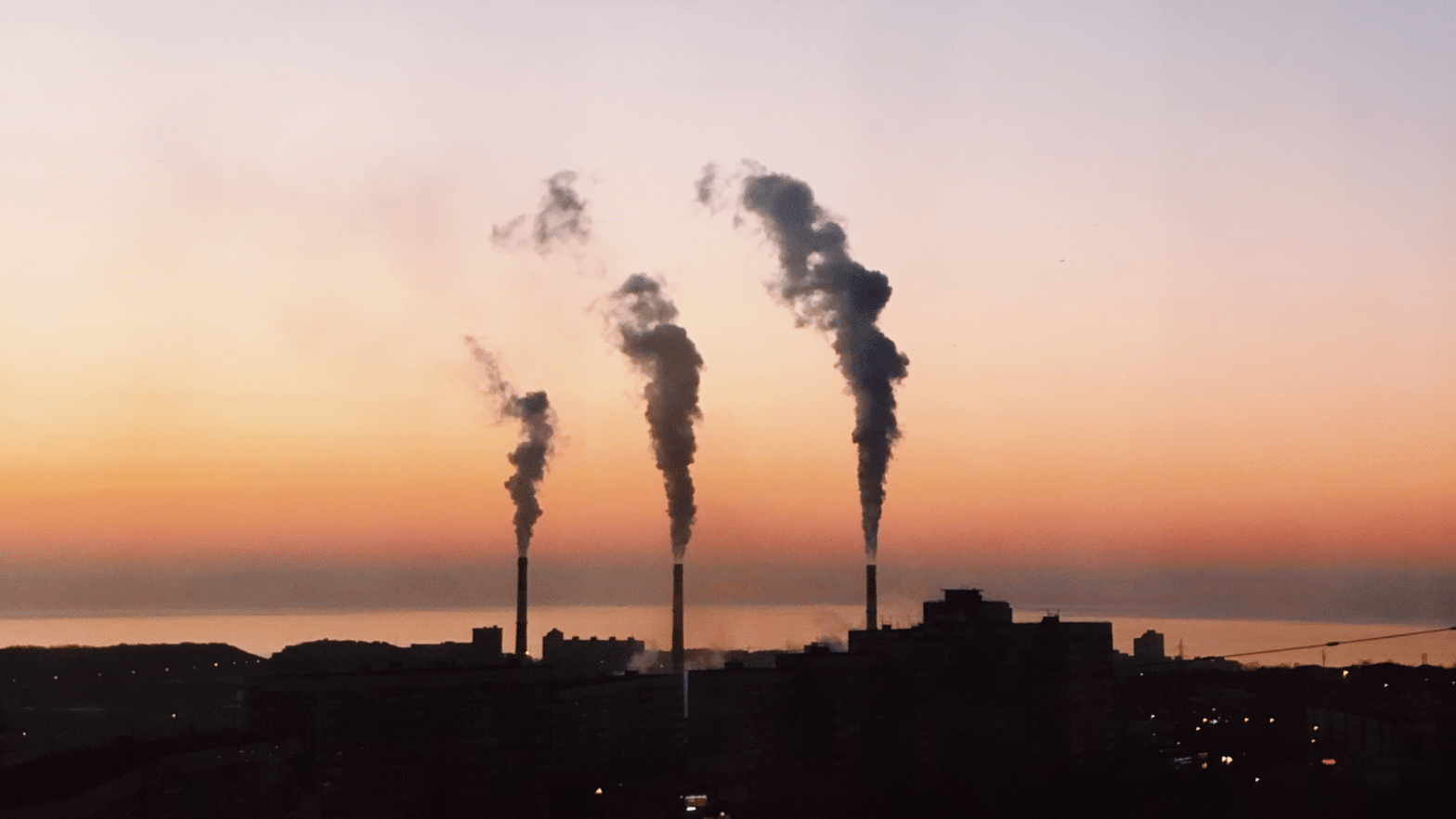
“Carbon lock-in” has been characterized as an equilibrium in which certain carbon-intensive technological systems or practices persist over time, either “locking out” the potential for change or braking further movement towards low or zero carbon . This equilibrium directly or indirectly hinders the deployment of low-carbon technologies, which either cost more upfront or cannot compete with the lower prices of high-carbon technologies. The literature refers to various categories of lock-in effect.
Infrastructures and energy technologies often lock societies into carbon-intensive emission pathways because of the length of time before investments pay off . Oil and gas extraction projects are usually not only capital intensive but also require many years of planning, exploration, and development, and only once the projects have been explored, appraised, and developed, revenues can be earned.
Institutional carbon lock-in can shape choices and limit the actions of state institutions, and institutional choices sustain the competitive advantage of fossil-fuel technologies, inhibiting public and private investment in clean energy
Since a sustainable energy transition is complex and uncertain, it is also claimed that behavioural carbon lock-in must be absent in order for individual and collective decision-making to be made in accordance with principles of sustainability.
Carbon Lock-in and State Aid
The EC’s new Guidelines on climate energy and environmental state aid (the CEEAG) adopted in 2022, provide the framework for public authorities to support the European Green Deal objectives efficiently and with minimum distortions of competition. These Guidelines provide that when approving state aid for. ‘transiton fuels’ such as natural gas, the Commission may require commitments to ensure the ‘lock in’ of fossil fuels is avoided and fossil fuel installations are compatible with the 2030 and 2050 targets. This may include for example commitments related to the future deployment of Carbon Capture and Storage (CCS).
Carbon Lock-in and the Taxonomy
The concept of ‘carbon lock-in’ is also topical in relation to the proposed Taxonomy Regulation (TR). Article 10(2)c of the present draft states that an economic activity should not lead to the lock-in of carbon-intensive assets.
The definition of ‘transitional activities in’ Art. 10(2) TR explicitly states the need to avoid environmentally harmful carbon lock in-effects. However, the measure allows for the greenfield construction of fossil-based energy infrastructure with ambitious targets for low-carbon/renewable phase-in only at a later stage.
It has been observed that as these forward-looking assumptions cannot be validated as of 2022, the risk of creating stranded fossil-based energy assets in Europe should be highlighted- going against the TR principle of avoiding stranded assets in Art.19 1(i) TR. Asset stranding or extended operation at high emissions levels may result if insufficient quantities of low-carbon gaseous fuels are available. Negative consequences for financial market stability and concerns about greenwashing arise . Next to financial market impacts arising from stranded assets, there could be a risk of crowding out necessary investments in renewable energy generation capacities and development of alternative low-carbon technologies , given the ability to shift sustainable finance towards financing fossil gaseous fuels, particularly until 2030.
This Debate will discuss how the risks associated with carbon-lockin can be avoided. How should regulators identify these risks and what tools are available to assess the nature and extent of the risks? How can forward-looking assumptions be validated in an effective way?
Programme
#FSRDebates
Host: Leigh Hancher | Florence School of Regulation and Tilburg University
Don’t miss any update on our events
Sign up for free and access the latest events from our community.
Speakers


Climate Neutrality and Social Sustainability

Achieving net-zero emissions in the next decades implies a rapid reduction in emissions, significant increases in carbon prices, and deep structural economic changes. These changes are generating concerns about their social impact. Possible job losses in specific sectors and increases in carbon prices may be perceived as socially unacceptable for their potentially regressive effects, especially at a time in which energy prices are increasing in most countries.
This raises the questions addressed in this session taking place on on May 5 from 17:15 to 18:15 CEST:
- Can climate neutrality be socially sustainable?
- Will it pass the social acceptability test?
- How can it be reconciled with the need to minimize/eliminate social impacts?
- How do different jurisdictions (EU, US, India, China) address this problem?
The panel session is featured in the programme of the 12th edition of The State of the Union organised by the European University Institute and held from 5 to 7 May 2022.
Simone Borghesi, Director of FSR Climate and Secretary General of the Policy Outreach Committee of EAERE, will chair the discussion with the following speakers:
- Beatriz Yordi, Director, Carbon Markets and Clean Mobility, DG Climate Action, European Commission
- E. Somanathan, Professor, Economics and Planning Unit, Indian Statistical Institute and Head of the Centre for research on the Economics of Climate, Food, Energy and Environment (CECFEE), Indian Statistical Institute/CECFEE
- Michael Spence, Philip H. Knight Professor of Management, Emeritus, and Dean, Emeritus, Stanford Graduate School of Business and 2001 Nobel Prize in Economics, Stanford Graduate School of Business
Don’t miss any update on our events
Sign up for free and access the latest events from our community.
More on the topic





The EU’s Hydrogen Accelerator – what steps should be taken?
The EU’s energy relations with Russia have become a headline issue in shaping the bloc’s response to Russian aggression in Ukraine. In the REPowerEU Communication of March 8, 2022, the European Commission laid out plans to end dependence on Russian fossil imports whilst combating record-high energy prices and accelerating decarbonisation of the sector in the process. Renewable hydrogen is a key component in these plans as it is a possible substitute for natural gas that can be produced by a range of international partners or indeed within the EU itself.
The REPowerEU Communication established new aims for renewable hydrogen far in excess of the already ambitious targets outlined in the original 2020 EU Hydrogen Strategy and subsequent Fit for 55 package of summer 2021. Under REPower EU, the new target for clean hydrogen consumption by 2030 increases from 5 million tonnes to 20 million tonnes. According to the Communication, the development of hydrogen infrastructure and funding streams should also expand correspondingly, including storage facilities and port infrastructure, streamlined state aid processes, adjustments of regulatory frameworks, and the creation of a Global European Hydrogen Facility.
These goals are laudable and if realised could go a long way to reducing the EU’s dependence on Russian fossil fuels, particularly fossil gas. Nevertheless, there is still no internal market for hydrogen. Moreover, numerous other foreseen and unforeseen bottlenecks must be overcome to make these hydrogen ambitions a reality, such as massive renewable electricity capacity, preparedness of hydrogen import infrastructure, and so on.
Within this context, a panel of experts will meet in an installment of the FSR Policy Webinar series on April 27, 2022, from 15h00 – 16h30 to explore some key questions. Including, how best to trigger investment and developments? What needs to be done on national and European levels?
Agenda
Opening: Kitti Nyitrai, European Commission
Keynote: Alejandro Nuñez-Jimenez, Harvard Kennedy School (Presenting report “The Future of Renewable Hydrogen in the European Union”)
Panel discussion: Jorgo Chatzimarkakis, Hydrogen Europe
Timo Bollerhey, H2Global
Dr Roland Roesch, IRENA
Ilaria Conti, FSR
Conclusions: Christopher Jones, FSR
Don’t miss any update on our events
Sign up for free and access the latest events from our community.
Speakers
More on the topic
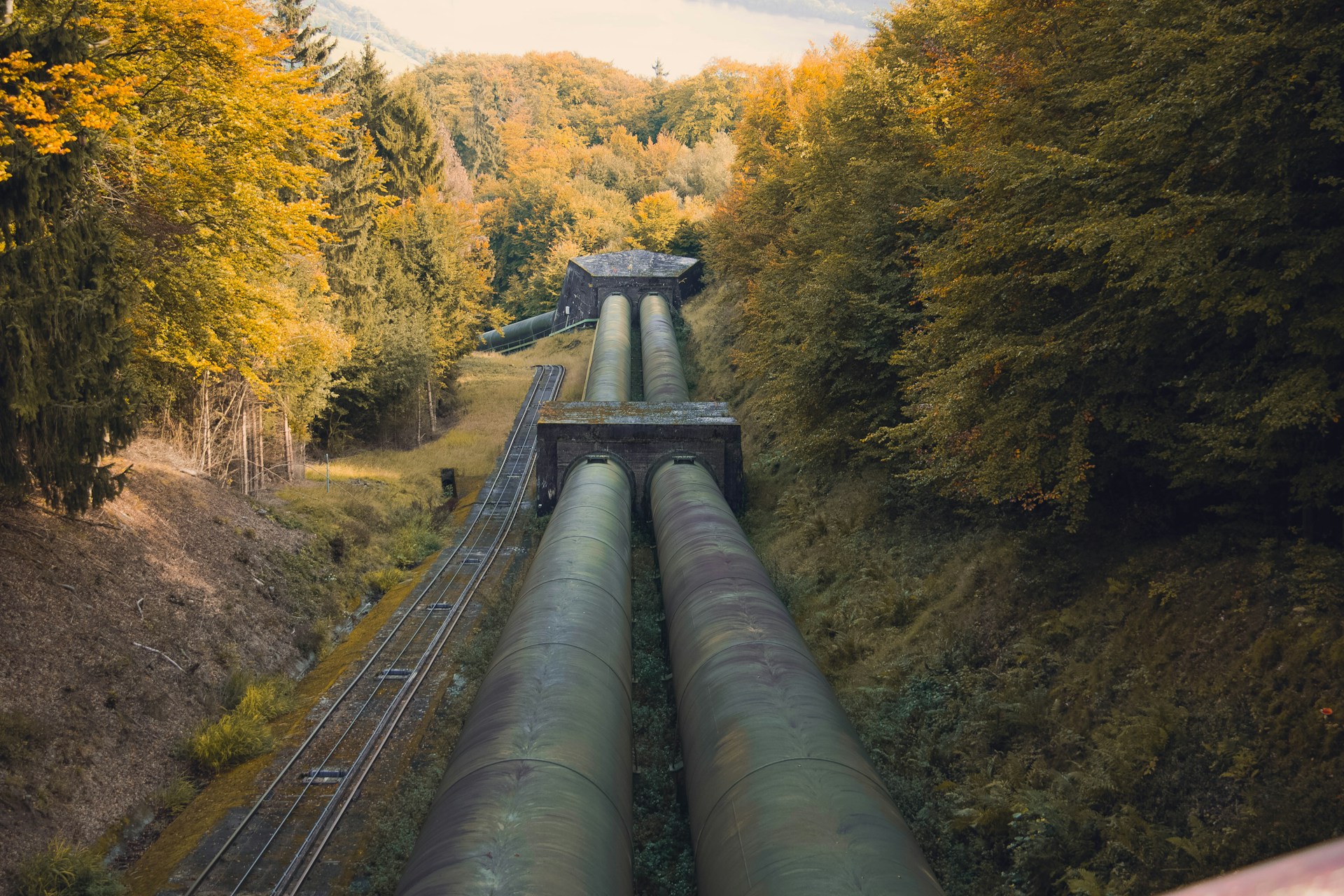









A regulatory framework for gas storage
This Debate will discuss how the envisaged gas storage obligation could be framed and how its costs could be allocated to the different Member States to reflect the benefits that better utilisation of storage capacity in Europe can bring. It will also aim to identify other aspects that an EU storage policy should cover.
Watch the recording:
Energy sector developments over the last six months dramatically impacted energy prices. A tight international gas market in the second half of 2021 led to a sharp rise in gas prices, which, in many countries where gas is heavily used to generate electricity, or at least is the marginal fuel, led to comparably sharp increases in wholesale electricity prices.
Since the end of February 2022, as a result of the invasion of Ukraine by the Russian Federation army, the situation has further exacerbated, especially in those regions heavily depending on gas imports from Russia.
Sanctions imposed on the Russian Federation by many countries following the invasion of Ukraine have included or might include, a ban on fuel import from Russia. And, in any case, it is unlikely that the Russian Federation will return to be considered a reliable trading partner anytime soon.
These developments have prompted policy action by the European Union, which, as a whole, depends on the Russian Federation for more than 40% of its gas consumption[1].
In its REPowerEU Communication of 8 March 2022[2], the European Commission stated that “following the invasion of Ukraine by Russia, the case for a rapid clean energy transition has never been stronger and clearer” and that “the EU needs to be ready for any scenario. It can reach independence from Russian gas well before the end of the decade”. The Communication proposes a number of measures to pursue this goal, with gas storage playing an important role as it can both reduce the need to import additional volumes of gas during the heatings eason and contribute to absorb supply shocks. This requires additional measures to be introduced to ensure that storage can contribute to security of supply to its full potential. In particular, the Commission proposes to introduce a filling obligation for gas storages and has announced that it will make a legislative proposal by April for this purpose. “This proposal will require that existing storage infrastructures in the EU territory are filled up to at least 90% of their capacity by 1 October each year. In order to make storage more attractive to market participants, the Commission will propose to increase the rebate level to 100% as an incentive to refill storage”[3].
This would be part of an EU gas storage policy that “will ensure fairness and allow making smart use of existing infrastructure, limiting the need for new infrastructure as not all Member States have underground storage facilities in their territories. The legal proposal will set out a mechanism to ensure a fair allocation of security of supply costs”.
Draft Programme
Introduction to the Debate and Opening Presentations
14.00 – 14.05 Introduction to the Debate
Alberto Pototschnig | Florence School of Regulation
14.05 – 14.15 A gas storage policy for the EU
Ilaria Conti | Florence School of Regulation
14.15 – 14.25 The experience with national gas storage obligations
Aad Correljé | TU Delft
Panel Discussion: Introductory Remarks, Polls and Comments
Moderator: Leigh Hancher | Florence School of Regulation and Tilburg University
14.25 – 14.50 Introductory remarks from the panellists
Giuseppina Squicciarini | Shell
Benoit Esnault, CRE and CEER
Steve Rose | Eurogas
Catherine Gras | GRTGaz
14.50 – 14.55 Polls
14.55 – 15.20 Comments on the outcome of the pollS and Q&A from the audience
Panellists
15.20 – 15.30 Concluding remarks
Oliver Koch | DG Energy, European Commission
Leigh Hancher | Florence School of Regulation and Tilburg University
Alberto Pototschnig | Florence School of Regulation
[1] Russia also accounts for 27% of oil imports and 46% of coal imports.
[2] Communication from the Commission to the European Parliament, the European Council, the Council, the European Economic and Social Committee and the Committee of the Regions, REPowerEU: Joint European Action for more affordable, secure and sustainable energy, Strasbourg, 8.3.2022, COM(2022) 108 final.
[3] Thirteen Member States – Belgium, Bulgaria, Denmark Finland, France, Hungary, Italy, Latvia, Lithuania, Poland, Portugal, Spain and Sweden – have storage obligations in place. Others, like Germany, announced plans to introduce them.
#FSRDebates
Hosts: Prof. Leigh Hancher and Prof. Alberto Pototschnig
The focus of this series is on recent court cases, regulatory decisions, EU legislation, or public consultations to be discussed by a panel of experts.
Don’t miss any update on our events
Sign up for free and access the latest events from our community.
Speakers
More on the topic




Rethinking the EU’s electricity market- what are the options?
This event is an FSR-E3G joint initiative.
The Versailles European Council has agreed to phase-out EU dependency on gas supplies from Russia, mandate minimum gas stocks, and make an unprecedented push to rapidly increase sustainable EU-produced energy, notably renewable electricity, biogas, hydrogen, and a more flexible and efficient energy system overall.
The Commission has published its RePowerEU Communication, giving guidance to the Member States on the measures that can be taken to deal with very high energy prices, and outlining targets for new RES capacity.
The Commission has indicated that it will consider putting forward measures to reform the current ‘marginalist’ electricity market design during an emergency period and to share proposals for energy market design in the context of changing energy realities and EU climate targets by mid-May.
Seen collectively, this change represents the greatest and most difficult change in EU energy policy that we have ever seen.
The debate will focus on electricity market design. What should be done in a short term and medium and long-term in adapting the electricity market to provide energy security, affordable prices for consumers and achieving climate neutrality by 2050?
Agenda of the event
Introduction
Andris Piebalgs, FSR
Keynotes
Christopher Jones, FSR
Vilislava Ivanova, E3G
Panel discussion moderated by Lisa Fischer, E3G
Nicola Rega, Cefic
Kavita Ahluwalia, Uniper
Michael Villa, SmartEN
Vera Brenzel, Tennet
Oscar Arnedillo, NERA Economic Consulting
#FSRDebates
Hosts: Prof. Andris Piebalgs and Prof. Christopher Jones
The focus of this series is on recent policy issues discussed by a panel of experts.
Don’t miss any update on our events
Sign up for free and access the latest events from our community.
More on the topic




Transport recovery: which role for railways?

Thanks to the European Union’s stimulus package and the Recovery and Resilience Facility, overall recovery from the COVID-19 pandemic is well under way. As the transport sector was particularly suffering, it subsequently needs comparatively more support than other sectors. Such support constitutes a unique opportunity to accelerate its much-needed transition to decarbonisation, a process that will rely on increasing the transport sector’s level of digitalisation. Among all modes of transport, it appears to be best positioned to deliver on the EU’s decarbonisation objectives, especially because it can facilitate the modal shift from road and short-haul air transport.
The objective of this panel titled “Transport Recovery: Which Role for Railways?“, hosted by FSR Transport in the framework of the European University Institute’s annual flagship conference The State of the Union (SOU), is to discuss how the stimulus package can accelerate the decarbonisation of transport with railways playing a central role in the process.
The 12th edition of The State of the Union will be held from 5 to 7 May 2022 and will focus on the future of the European Union.
Titled “A Europe Fit for the Next Generation?“, the conference will take place in a hybrid format. Attendees from around the world will connect through an online platform, with a select group participating live in Florence.
Two years from the start of the COVID-19 pandemic, the EU’s importance in shaping a better future has never been clearer. The State of the Union is a platform for experts and civil society members from all over the world to debate urgent crises. This year’s edition of the EU’s annual policy conference will focus on the European Union’s role in a constantly evolving global landscape. Leaders and Experts from all over the world will deal with issues ranging from multilateral governance to sustainability and resilience, democracy and the rule of law, to the developments in attitudes to migration, the future of digitalisation, and how crisis can fuel change. Prominent speakers will discuss how the Next Generation EU recovery plan can address the damage inflicted by the pandemic. Looking beyond Europe, the conference will feature panels on the future of transatlantic relations and Africa’s emerging role on the global stage.
Organised by the European University Institute, #SOU2022 will once again represent a unique opportunity for the worlds of academia, policymaking, business, media, and civil society to come together and come up with constructive proposals for a more effective EU action.
Don’t miss any update on our events
Sign up for free and access the latest events from our community.
Speakers
More on the topic






The revision of the Energy Taxation Directive
What will be the impact on GHG reduction and on industry and consumers?
Discussion with the Director-General of DG Taxud Gerassimos Thomas
Watch the recording:
The Commission has proposed a complete and highly ambitious overhaul of the Energy Taxation Directive.
The proposal, if accepted, would extend the scope of the Directive, requiring, for example, taxation of fuel for maritime and aviation would increase minimum tax levels, and would introduce a taxation system based on fuel categories focused on GHG levels.
Director-General Thomas will provide an overview of the proposal, how he sees the procedure progressing (it requires unanimous Council agreement), and what will be the consequences for business and citizens.
Programme
Introduction by the hosts
Intervention by Gerassimos Thomas, Director-General DG TAXUD
Discussion with Christopher Jones, Ilaria Conti, Andris Piebalgs, Florence School of Regulation
Q&A
Conclusions
#FSRDebates
Don’t miss any update on our events
Sign up for free and access the latest events from our community.
More on the topic



Electricity retail market liberalisation: 15 years on
This Debate takes stock of the current situation of the electricity retail market in Europe and discusses the future role of electricity retailers, as digitalisation and decarbonisation of the industry advance.
Watch the recording:
Liberalisation of the EU electricity retail market was completed in July 2007. However, the experience so far shows that many of the small (residential) consumers are unwilling to take advantage of the potentials provided to them by retail competition, with switching rates remaining low (at 5-6%) for many years. The reluctance by a large share of consumers to switch supplier (stickiness) gives suppliers market power; moreover, instances of unfair commercial practices undermine trust in the liberalisation process.
The recent increases in wholesale energy prices found several suppliers – including providers of regulated services – inadequately hedged and led them to, or near to, bankruptcy. Only in the UK and only in the period September – November 2021, the period with the sharpest increase in wholesale electricity prices, 24 energy suppliers, serving some 4 million customers, went out of business. Supplier insolvency could cause widespread financial instability across the entire electricity sector, and significant costs to the system.
At the same time, the Italian regulator is organizing auctions to allocate (blocks of) small consumers who have been unwilling to leave the franchise market and choose a different supplier on the free market.
Draft Programme
INTRODUCTION TO THE DEBATE AND OPENING PRESENTATIONS
14.00 – 14.05 Introduction to the Debate
Alberto Pototschnig | Florence School of Regulation
14.05 – 14.25 Recent issues with electricity retail markets
Guido Cervigni | DFC Economics
Martin Crouch| 4D Economics
PANEL DISCUSSION: INTRODUCTORY REMARKS, POLLS, AND COMMENTS
Moderated by FSR
14.25 – 14.50 Introductory remarks from the panellists
Tiziana Lo Nardo | ARERA
Natalie McCoy | ERSE
Anna Martin | BEUC
14.50 – 14.55 Polls
14.55 – 15.25 Comments on the outcome of the polls and Q&A from the audience
15.20 – 15.30 Concluding remarks
Alberto Pototschnig | Florence School of Regulation
Don’t miss any update on our events
Sign up for free and access the latest events from our community.
Speakers




The Commission’s new Gas and Hydrogen Package
The Commission has tabled a comprehensive set of proposals to regulate the emerging low and zero-carbon hydrogen market, covering GOOs and certification, tariff rules, unbundling and TPA, blending, grid financing, consumer rights as well as new measures regarding gas security of supply.
The debate seeks to consider what will be the effect of the new rules in practice, how the gas and hydrogen grids will interact, and to discuss what will be the most contentious parts of the package.
Watch
Introduction Christopher Jones, FSR
Panel debate Dennis Hesseling, ACER
James Watson, Eurogas
Kees van der Leun, Common Futures
Ilaria Conti, FSR
Piotr Kuś, ENTSOG
Conclusion Augustijn Van Haasteren, European Commission
#FSRDebates
Don’t miss any update on our events
Sign up for free and access the latest events from our community.
More on the topic


Network tariffs for decarbonised and low-carbon gases
This Debate will provide an early opportunity to discuss the Commission’s proposals on tariffication for hydrogen and decarbonised and low-carbon gases, as outlined below.
Watch the recording:
In the current EU regulatory framework, electricity and gas networks are subject to regulated third-party access rules. The users of these networks have been paying for the development, maintenance and operation of their respective grids, with those withdrawing from the network typically paying a larger share of the total costs[1]. In the electricity sector, the so-called “single system paradigm” has been in place for almost twenty years. Under this approach, cross-border exchanges of electricity do not pay tariffs at the EU internal borders. The costs of the EU transmission system are therefore recovered only at the entry into and exit from this system and TSOs hosting transits are compensated through an inter-TSO compensation (ITC) mechanism. In gas, the 2009 Third Energy Package introduced the “entry-exit” system, in which gas transmission network users pay every time the gas enters or exits an entry-exit area, often corresponding to a national jurisdiction.
In its Hydrogen and Decarbonised Gas Market Package of December 2021, the European Commission proposed a specific transmission tariff framework for hydrogen and, more generally, for decarbonised and low carbon gases.
In particular, according to the ommission’s proposal, hydrogen network would have to be subject to regulated third-party access rules as from 2031, with negotiated third party access allowed until then.
Moreover:
- injections into the network from renewable and low carbon gases production facilities would benefit from a discount of up to 75% on the respective capacity-based tariffs;
- renewable and low carbon gases would benefit from a discount of up to 75% on the capacity-based transmission tariffs at entry points from and exit points to storage facilities in the Member States of first injection, unless the storage facility is connected to more than one transmission or distribution network and is used to compete with an interconnection point.
Regulatory authorities may set discount rates lower than 75%, provided that the discount is in line with the general tariff principles and in particular the principle of cost-reflectiveness, taking into account a need for stable financial frameworks for existing investments where appropriate, and the advancement of the roll-out of renewable and low-carbon gases in the concerned Member State
The Commission’s proposal also envisages that renewable and low-carbon gases would benefit from a 100% discount on the entry and exit tariffs at all interconnection points, including entry points from and exit points to third countries, as well as entry points from LNG terminals
These discounts should not affect the general tariff setting methodology, but should be provided ex-post on the relevant tariff. The revenue shortfall emerging from the granting of discounts to renewable and low-carbon gases, if above 10% of allowed revenues, shall be addressed through an inter transmission system operator compensation mechanism.
Finally, the Commission proposal envisages the possibility of cross-subsidisation of the hydrogen transmission network by gas transmission network users, by providing that Member States may allow financial transfers between separate regulated services, subject to some conditions. Such a possibility does not seem to be subject to any harmonisation requirement across the EU.
Draft Programme
Introduction to the Debate and Opening Presentations
14.00 – 14.05 Introduction to the Debate
Alberto Pototschnig | Florence School of Regulation
14.05 – 14.15 The Commission’s proposal
Feodora Petit and Benedikt Klauser | Directorate-General for Energy, European Commission
14.15 – 14.25 FSR initial considerations
Ilaria Conti | Head of Gas, FSR
Panel Discussion: Introductory Remarks, Polls and Comments
Moderator: Leigh Hancher| Florence School of Regulation
14.25 – 14.50 Introductory remarks from the panellists
Csilla Bartok | Team Leader for Gas Markets and Energy Retail, ACER
Annie Krist | Vice President, Eurogas
Claude Mangin | Market Development Manager, ENTSOG
Peter Claes | President, IFIEC Europe
14.50 – 14.55 Polls
14.55 – 15.15 Comments on the outcome of the polls and Q&A from the audience
Panellists
15.20 – 15.30 Concluding remarks
Tom Maes | CREG
Leigh Hancher | Florence School of Regulation and Tilburg University
Alberto Pototschnig | Florence School of Regulation
[1] With load paying a predominant share of electricity transmission costs (with many jurisdictions charging all transmission costs to load and the lowest share being in Sweden at 63%), while in gas the picture across the EU is more varied. [HERE RESULTS OF ACER MONITORING OF E-E%]
Don’t miss any update on our events
Sign up for free and access the latest events from our community.
Speakers
More on the topic

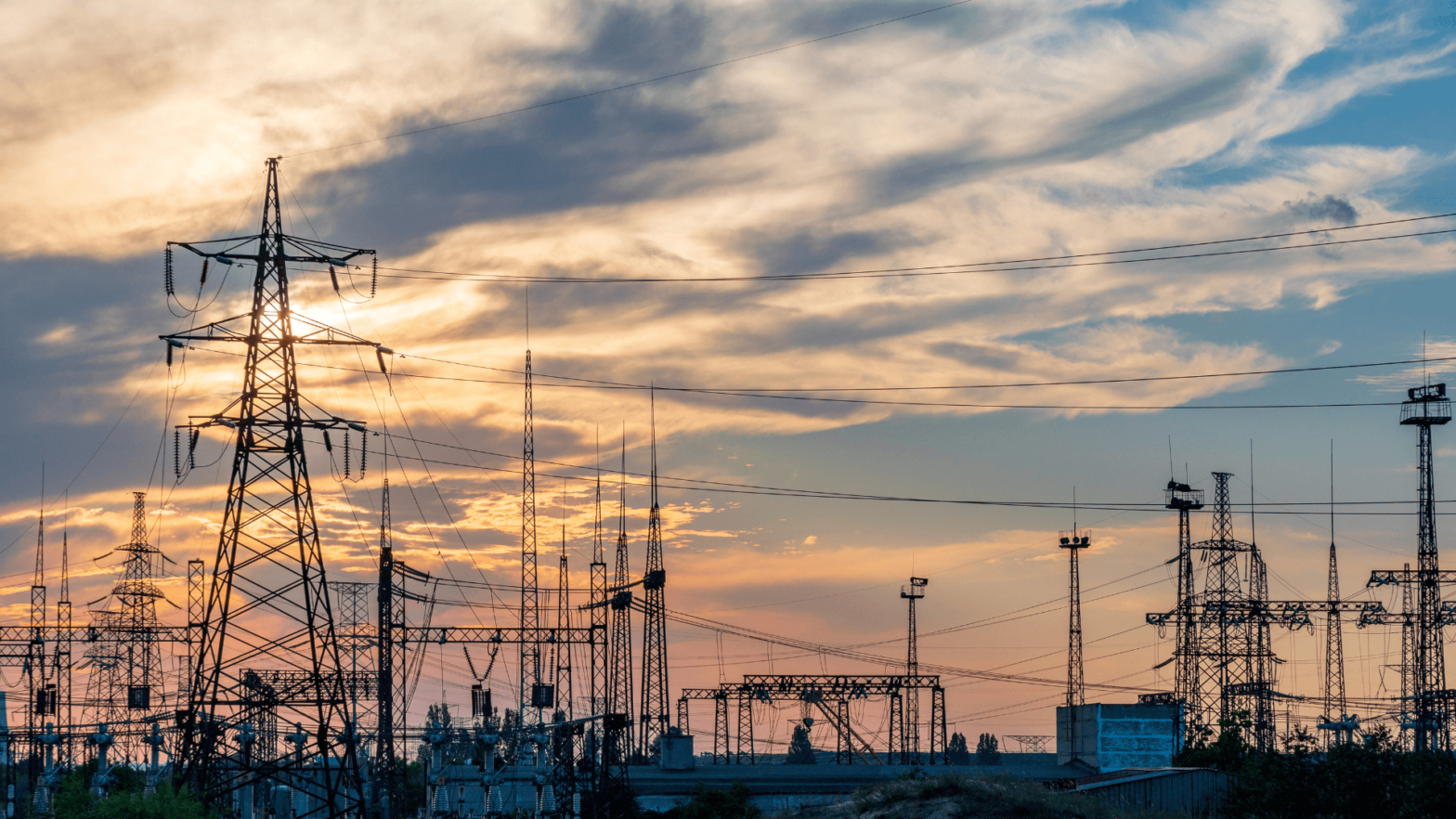


Carbon Capture, Utilisation and Storage (CCUS): still waiting for Godot?
Do we need a European Strategy for Carbon Capture, Utilisation and Storage (CCUS) and a legislative package with a form and level of ambition similar to the Hydrogen Strategy?
This FSR debate will consider the main issues related to CCUS in the light of recent policy communications, legislative initiatives, and Commission guidelines.
The permanent storage of CO2 in geological formations is an important option to mitigate industrial emissions. To reach the climate neutrality objective of the EU Climate Law, carbon removals will have to be fully integrated into the EU climate policy. To be climate neutral, in 2050 each single tonne of CO2eq allowed under the policy framework to be emitted to the atmosphere will have to be neutralized by a certified tonne of CO2 removed from the atmosphere.
The Commission recognizes that the establishment of the legal framework will be an essential stepping stone towards the recognition of carbon removals in the EU climate policy. Its recent Communication on Sustainable Carbon Cycles aims at establishing sustainable carbon cycles for bio- emissions in European economy and ecosystems. It recognizes that even if this is a long-term endeavour it nevertheless requires coordinated action now.
But are these plans sufficient and timely? Is not the more immediate challenge to establish the role of CCUS for European industry in the energy transition?
Should the Commission already step up its game and take the same level of leadership, vision and determination regarding CCS as it has regarding hydrogen, announce clear targets and deadlines, commit to developing a CCUS Alliance (similar to the hydrogen, battery alliances), and commit to new legislative proposals on CCUS to deliver a cost-effective CCS network? Will the final version of the Climate Energy and Environmental Guidelines for state aid – to be published at the end of 2021 provide clear criteria for assessing the compatibility of financial support for CCUS?
Programme
14.00 – 14.05 Introduction to the Debate
Leigh Hancher | Florence School of Regulation
14.05 – 14.15 The Commission’s approach
Chris Bolesta, Decarbonisation and Sustainability of Energy Sources, Directorate-General for Energy, European Commission
14.15 – 14.25 FSR initial considerations
Prof Christopher Jones and Prof Andris Piebalgs | FSR
PANEL DISCUSSION: INTRODUCTORY REMARKS, POLLS AND COMMENTS
Moderator: Nicolò Rossetto| Florence School of Regulation
14.25 – 14.50 Introductory remarks from the panellists:
Torbjorg Klara Fossum, VP Global CCS Solutions, Equinor ASA; Malcolm Keay, OIES, Oxford; Jonas Helseth, Director Bellona Europa, Brussels.
14.50 – 14.55 Polls
14.55 – 15.15 Comments on the poll’s outcome and Q&A from the audience and panellists
15.20 – 15.30 Concluding remarks
Leigh Hancher | Florence School of Regulation and Tilburg University
Nicolò Rossetto | Florence School of Regulation
#FSRDebates
Don’t miss any update on our events
Sign up for free and access the latest events from our community.
What prospects for the global carbon market after COP26?
Taking place only a few weeks after the UN Climate Conference in Glasgow (COP26), this FSR Debate will review the outcome of the conference and discuss the implications of the progress made, or lack thereof, for the development of the global carbon market.
Background
Parties to the Paris Agreement can use different instruments for trading emissions reductions at the international level through several mechanisms established by Article 6 of the Paris Agreement. Article 6.2 allows countries to develop decentralised cooperative approaches under which they could trade mitigation units, so-called Internationally Transferable Mitigation Outcomes (ITMOs), to reach their own Nationally Determined Contributions (NDCs). Article 6.4 opens the possibility to set up a new UN centralised mechanism to trade emissions reduction credits related to specific sustainable development projects. Article 6 also provides the opportunity further to account for international cooperation and integration of non-market approaches.
The development of Article 6-compatible carbon markets could allow countries to achieve net-zero targets with greater economic efficiency, increased economies of scale, and further financial cooperation. According to a recent study from the International Emissions Trading Association and the University of Maryland, the market value of financial flows between countries could potentially exceed $1 trillion per year in 2050.
The part of the Paris Agreement Rulebook meant to implement these Article 6 provisions has just been agreed at the COP26 in Glasgow. However, many questions, to be discussed in the FSR Debate, remain. What are the prospects for international carbon markets? Will this new Rulebook stimulate the possibility of moving toward a global carbon market? Or does it contain loopholes that could harm the environmental integrity of the mechanisms? What could governments do to ignite the global carbon market?
Programme
The event will be moderated by:
Simone Borghesi | Florence School of Regulation, EUI
Alberto Pototschnig | Florence School of Regulation, EUI
Introduction to the Debate and Opening Presentations
14.00 – 14.05 Introduction to the Debate
Ilaria Conti | Florence School of Regulation, EUI
14.05 – 14.15 Opening address
Martin Hession | DG Climate Action, European Commission
14.15 – 14.25 ETS Alignment: possible reforms for integration
Stefano Verde | Florence School of Regulation, EUI
Panel Discussion: Introductory Remarks, Polls and Comments
14.25 – 14.50 Introductory remarks from the panellists
Kelley Kizzier | Environmental Defense Fund
Luca Lo Re | International Energy Agency
Billy Pizer | Resources For Future
14.50 – 14.55 Polls
14.55 – 15.20 Comments on the outcome of the poll and Q&A from the audience
Panellists
15.20 – 15.30 Concluding remarks
Jos Delbeke | School of Transnational Governance, EUI
#FSRDebates
Hosts: Leigh Hancher and Alberto Pototschnig (FSR)
The focus of this series is on recent court cases, regulatory decisions, EU legislation, or public consultations to be discussed by a panel of experts.
This event will be live-streamed and recorded. Highlights and presentations will be made available online.
This event is organised under the framework of the LIFE DICET project co-financed by the EU LIFE Programme of the European Commission.
Don’t miss any update on our events
Sign up for free and access the latest events from our community.
More on the topic