To reform or not to reform EU energy markets?
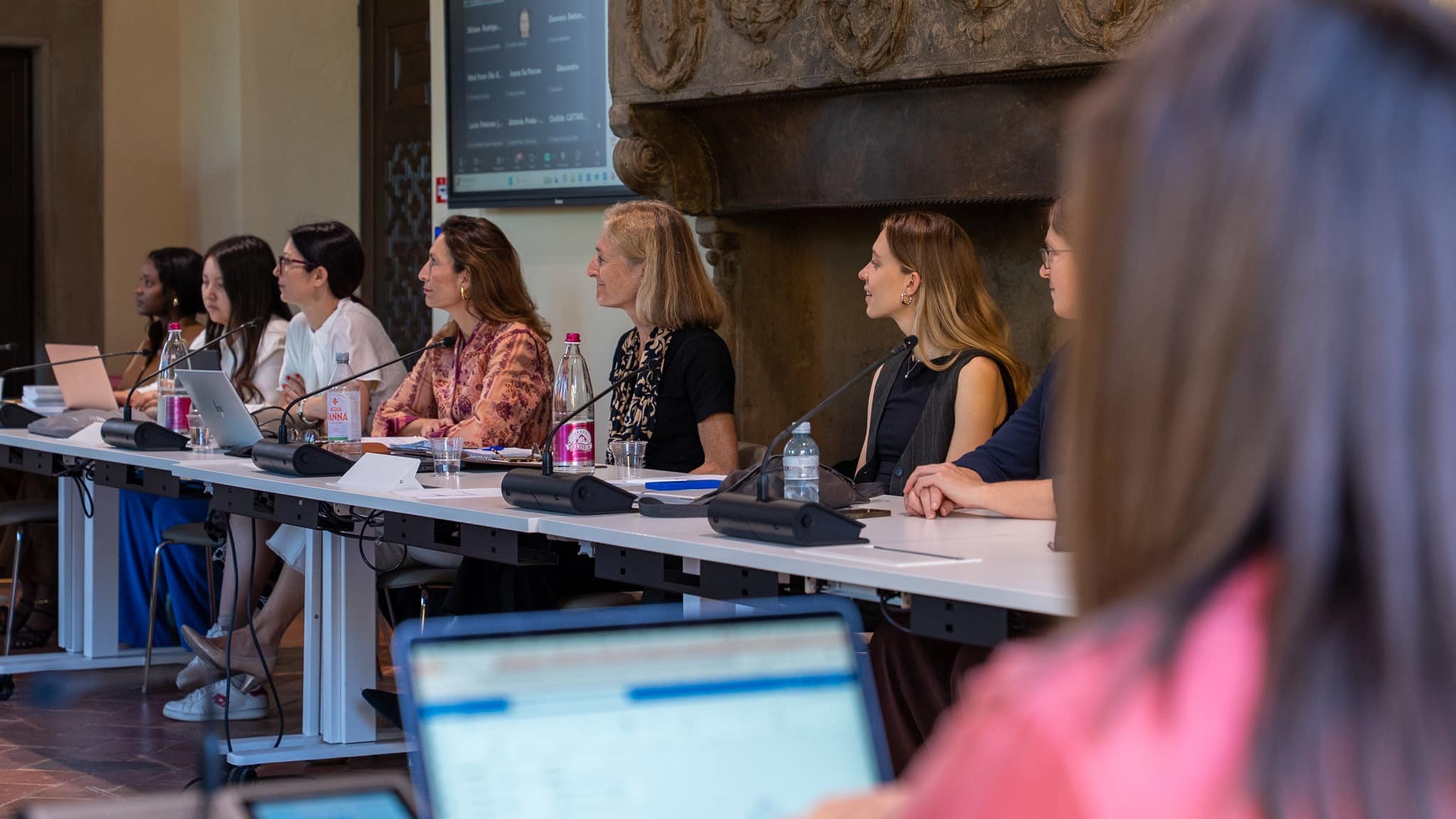
To reform or not to reform EU energy markets? In this FSR Debate, we explore the two sides of the issue.
On the one side, the European Commission, energy regulators and incumbents see no need for change: “there is of yet no clear evidence that alternative market framework would provide cheaper prices and better incentives” (EC, COM(2021) 660, 13.10.2021); “ACER’s assessment is that the current market design is worth keeping” (ACER Final assessment of April 2022); “We, therefore, urge the European Commission and all Member States to avoid changing the current electricity price-setting mechanism” (joint industry call to safeguard the benefits of the Internal Energy Market of 29.04.2022).
On the other side, Governments announced structural market reforms: “As part of the expansion of renewable energies, we will develop a new electricity market design” (German Government Programme, 2021); “We also wish to revise, in structural terms, how the price of electricity is formed (…) This is a systemic problem and must be resolved with structural solutions, decoupling the price of gas from the price of electricity” (Mario Draghi’ speech at the European Parliament, 03.05.2022).
In a recent report, written with the support and contribution of several energy experts, Jorge Vasconcelos proposes a reform of EU energy markets based on two principles:
- ensuring the existence of a revamped, open to innovation, cross-border electricity market based on common rules;
- fostering the emergence of local markets where energy system integration takes place through suitable local platforms.
The report offers a conceptual framework for the design of innovative multi-sector and multi-level energy architectures and brings new light on several related issues, from fairness to financing and infrastructure planning. The aim is to better understand how electricity market reform can accelerate decarbonization and strategic energy autonomy.
Agenda of the event
Introductory remarks
Jean-Michel Glachant | FSR Director, Loyola de Palacio Chair
Report introduction
Jorge Vasconcelos | FSR Part-time Professor
Comments
Claude Turmes | Minister for Energy and for Spatial Planning, Luxembourg
Christian Zinglersen | ACER Director
Vicente López-Ibor Mayor | President, European Federation of Energy Law Associations
Frauke Thies
Discussion
Jorge Vasconcelos was the first Chairman of the Council of European Energy Regulators and one of the founding fathers of the existing cross-border EU electricity market model. He is a strong supporter of the Internal Energy Market but, on the other hand, he has been advocating structural reforms to align the market with current policies (carbon neutrality) and technologies (digitalization, storage, etc.) for many years.
Don’t miss any update on our events
Sign up for free and access the latest events from our community.
More on the topic