

The enhanced use of Guarantees of Origin to support decarbonised gases

In its role of EU Commission’s Knowledge Partner for the Madrid Forum, FSR organises two online Debates devoted to Guarantees of Origin.
This first Debate will look at the extent to which Guarantees of Origin could be used as the common basic instrument to support renewable gases.
Watch the recording:
The achievement of the European Union’s ambitious environmental targets requires a massive increase in the generation from renewable energy sources, both in the electricity and gas sectors. In particular, the gas sector will no longer play a role only as a back-up for renewable electricity generation, but also as a conveyor of “green” molecules.
More generally, as the renewable penetration target could be achieved with different mixes of technologies and renewable energy vectors (renewable electricity, renewable gases, biomass, etc.), an approach is needed which promotes the achievement of the target at least cost. And the need for least-cost solutions will be greater the more ambitious the renewable target becomes.
The EU Strategy for Energy System Integration, released in July this year, calls for a “more ‘circular’ energy system, with energy efficiency at its core, in which the least energy intensive choices are prioritised”. A holistic approach to deliver overall efficiency in achieving the renewables penetration target requires a “common currency” which provides a consistent (price) signal against which the cost of different technologies and renewable vectors can be assessed.
This online event is part of a study commissioned to the Florence School of Regulation (FSR) by the Directorate-General for Energy of the European Commission. The second debate of this series is taking place on November 6th.
Agenda
Introduction to the Debate
Alberto Pototschnig | Florence School of Regulation
Antonio Lopez-Nicolas | European Commission
The enhanced role of Guarantee of Origin for the support of decarbonised gases
Ilaria Conti | Florence School of Regulation
Introductory Remarks
Gerrit Volk| BNetzA
James Watson | Eurogas
Stephan Kamphues | ENTSOG
Els Brouwers | IFIEC
Doug Wood | EFET
Live polls with the audience
11.55 – 12.20 Comments on the polls outcome and Q&A from the audience
Concluding remarks
Antonio Lopez-Nicolas| European Commission
Alberto Pototschnig | Florence School of Regulation
Presentations
Don’t miss any update on our events
Sign up for free and access the latest events from our community.
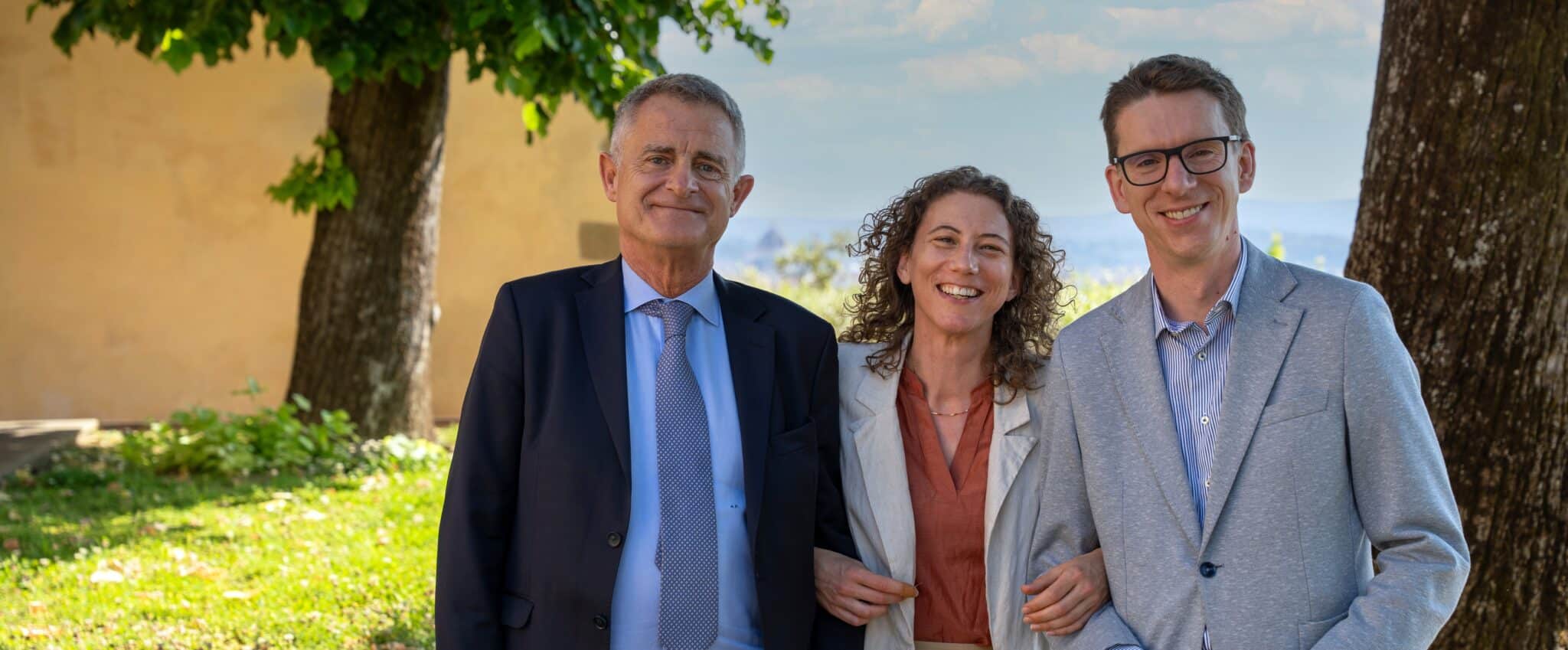
Speakers
More on the topic