
Convergence between digitalisation and decentralisation
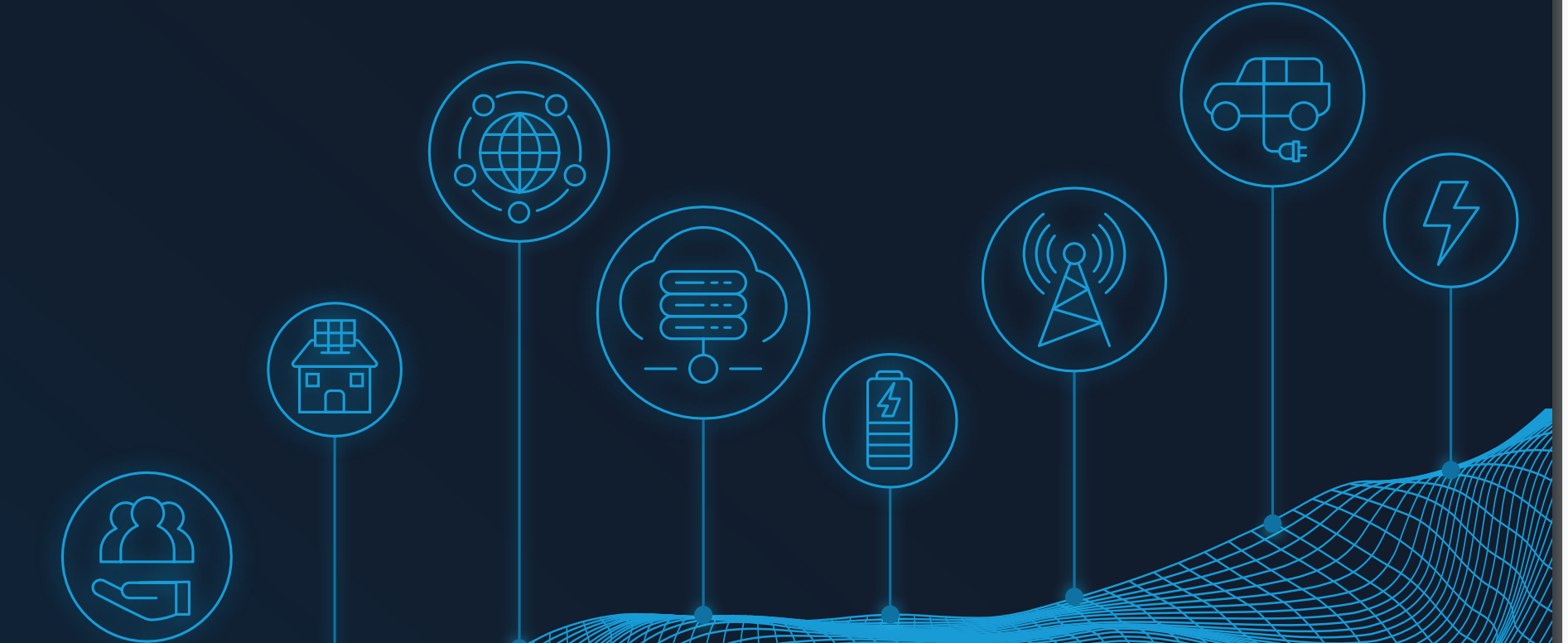
The modernization of the electricity grid may change deeply the economic properties of electricity systems. Part of these changes have been discussed in recent years within the context of Smart Grids: a potential end-state of the evolution of the system is a platform where all resources (distributed or not) could be connected and be part of a multi-layered optimization. An additional step in the evolution of electric networks is to consider the convergence with ICT networks, which also involves creating a unique network (sharing resources and a common architecture), with the aim of making possible new transactions. For instance, the TLC industry has experienced this kind of process: the convergence of voice, data and video has created value and facilitated innovation.
From that point of view, three possible stages in the evolution of electric networks can be considered:
- the ‘current-path’ system, where unidirectional use of the distribution system is assumed and advanced technologies are used to improve reliability, resiliency, safety and efficiency;
- an intermediary-based system where a platform enables exchange (e.g. Amazon);
- a network where profit is based on the collective value of an ecosystem (e.g. Cisco’s Internet of Everything).
Benefitting from IRENA’s new report on innovation: “Innovation Landscape for a Renewable-Powered Future: Solutions to integrate variable renewables”, we will engage in a collaborative conversation, where the focus will be put on the role of distributed ledger technologies in achieving network convergence. Each speaker will have 5-10 min to present her/his view, followed by an open Q&A.
Speakers
Elena Ocenic (IRENA)
Enrique Merono (Iberdrola)
Rolf Riemenschneider (DG CONNECT)
Moderator
Miguel Vazquez (FSR Energy Innovation)
Don’t miss any update on our events
Sign up for free and access the latest events from our community.
More on the topic