





Local Governance for the Energy Transition

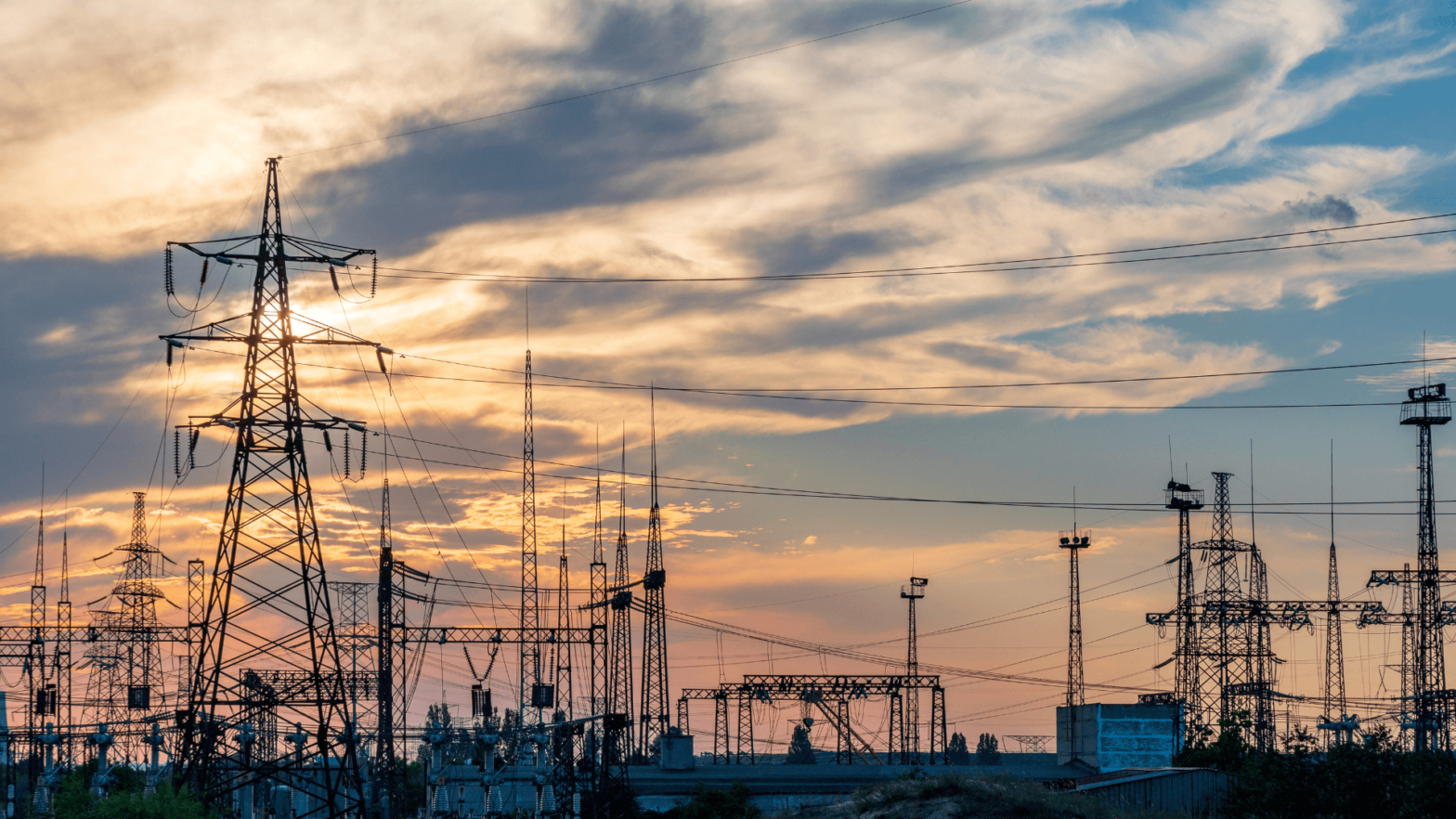
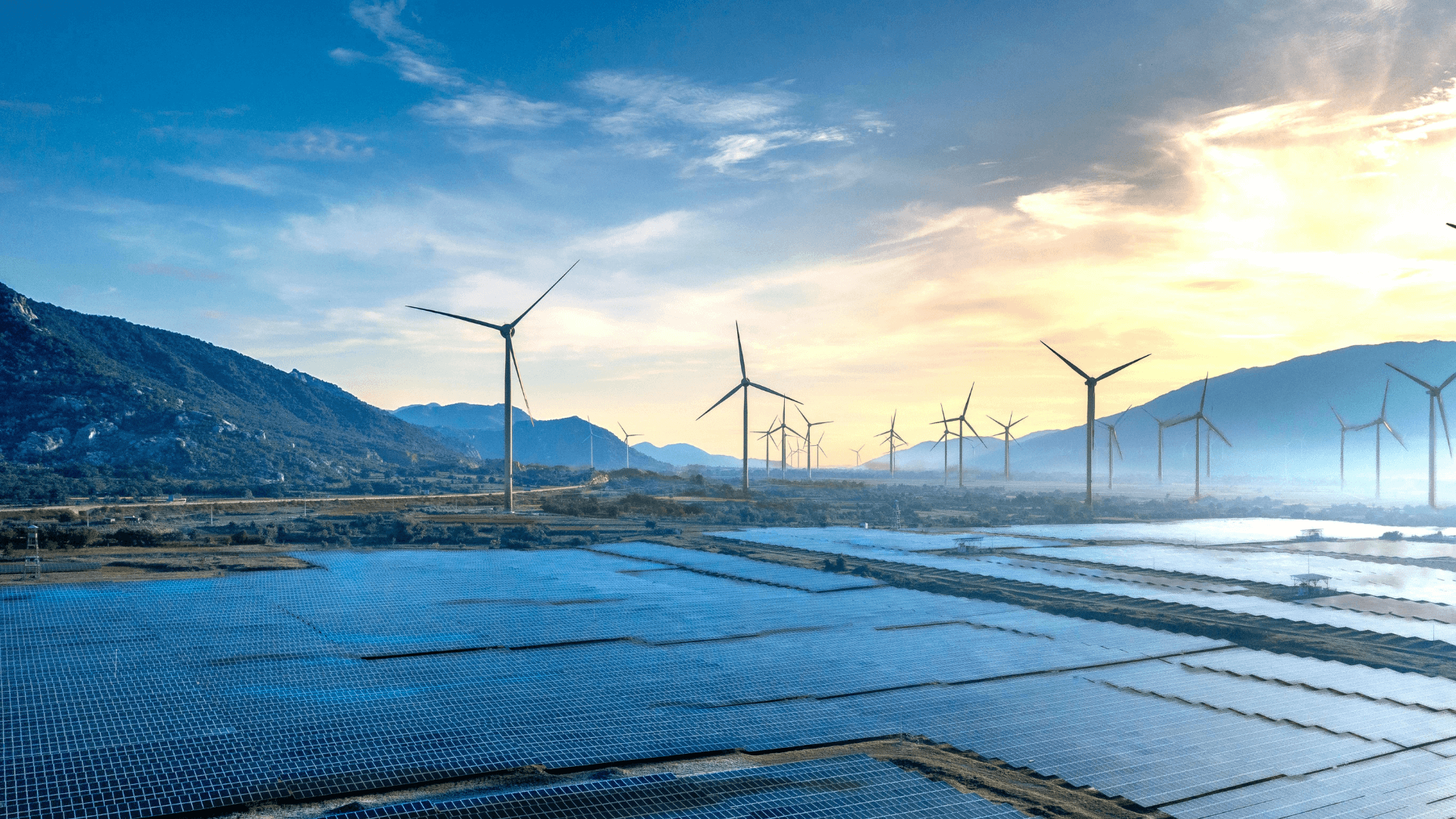
Decarbonisation, decentralisation, and digitalisation are major drivers of an ongoing transformation in the energy markets leading to a new energy governance framework. The so-called ‘energy transition’ challenges the way markets have been regulated, but not only. It also challenges the existing EU energy governance system. Besides the current multi-level governance between the EU, national authorities and undertakings, decentralised energy markets add to the puzzle the growing role of local authorities.
The role of local authorities for the energy transition needs to be suitably incorporated in the governance model of the emerging EU multi-layer and multi-sector energy market architecture. A coherent governance model must conciliate five different dimensions: technical system management, market organisation, institutional structures, consumer and market agent’s interaction (business) models and policy.
New energy governance requires the creation of new functions and structures, as well as the adaptation of existing ones. This increasing complexity must be urgently translated at regulatory and governance levels. It includes the vertical dialogue between regional, national and local authorities, as well as diagonal coordination between these multi-level authorities and the new business model or market roles, e.g. decentralised renewable generation, news role of DSOs, mini-grids, cooperative and digital platforms trading power, prosumers, targets on heating and cooling, electric vehicle charging industry, biogas plant for organic waste management, etc.
The objective of the workshop is twofold:
-
- to discuss the theory and practice of new energy local governance models;
- to launch a proposal for translating into an appropriate legal language all relevant technical, economic and institutional aspects at the core of new energy governance in the EU and for providing the necessary training structure to all involved decision-makers and stakeholders.
Implementation of this proposal should be achieved through a project supported by interested cities and the European University Institute (Florence School of Regulation and School of Transnational Governance). Active support from European institutions and the European Federation of Energy Law Associations is also expected.
Watch the live-stream here:
The workshop is a joint collaboration between the Florence School of Regulation and the School of Transnational Governance.
Don’t miss any update on our events
Sign up for free and access the latest events from our community.
More on the topic