







Hard to measure: how can we improve monitoring of methane emissions?

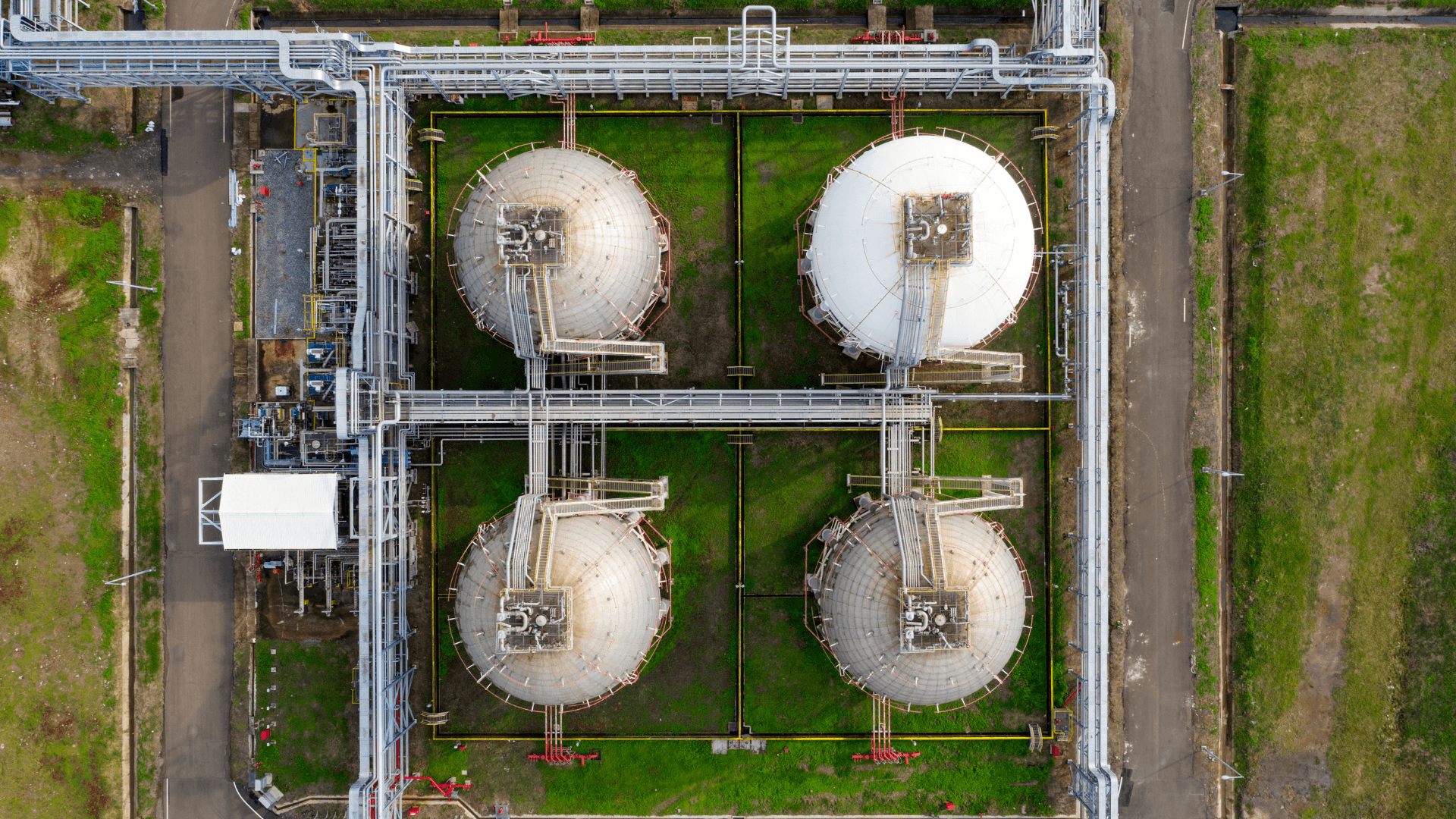
The European Commission’s EU strategy to reduce methane emissions published on 14 October 2020 defines as a primary objective “[ensuring] that companies apply considerably more accurate measurement and reporting methodologies for methane emissions, across sectors, than it is currently the case.”
Such an approach is expected to lead to a better understanding of the problem and to guide subsequent mitigation measures. The mandatory measurement, reporting, and verification (MRV) for all energy-related methane emissions, based on the voluntary will be one of the main elements of the legislative package expected in Q4 of 2021, with the enactment in 2023.
Any effective strategy to mitigate climate change requires a clear understanding of greenhouse gas (GHG) emissions and their sources. The “MRV” is a technical term, which integrates three autonomous, but related processes: measurement or monitoring (M), reporting (R), and verification (V)[1]. Measurement and monitoring incorporate not only direct physical measurement of GHG emissions but also calculation and modelling of emissions. Reporting refers to a process of aggregating emission data in an inventory or other standardised form, and public disclosure. Verification is a process of regular checks of completeness and reliability of data. The received feedback should be used to continuously improve the data quality and to minimise the uncertainties.
This research looks into the following questions:
- What are the main barriers and opportunities related to the establishment of an effective MRV system for methane emissions?
- How the policies could support more robust measurement and the reduction of methane emissions?
Moderator: Leonardo Meeus (FSR)
Speakers:
Maria Olczak (FSR)
Paul Balcombe (Queen Mary University of London)
Kate Konschnik (Duke University)
Lucija Muehlenbachs (University of Calgary)
[1] The EU Commission expands the concept of MRV by adding two other elements: integrity and validation (IV).
#FSRinsights
The series focuses on the insights from the FSR research. These online events will give the FSR researchers the chance to share our research findings and to collect feedback on ongoing research by engaging with the audience and invited experts.
Subscribe to our newsletter to get notified about our upcoming events.
Presentations
Don’t miss any update on our events
Sign up for free and access the latest events from our community.