
Global Carbon Pricing – The Path to Climate Cooperation

BOOK PRESENTATION
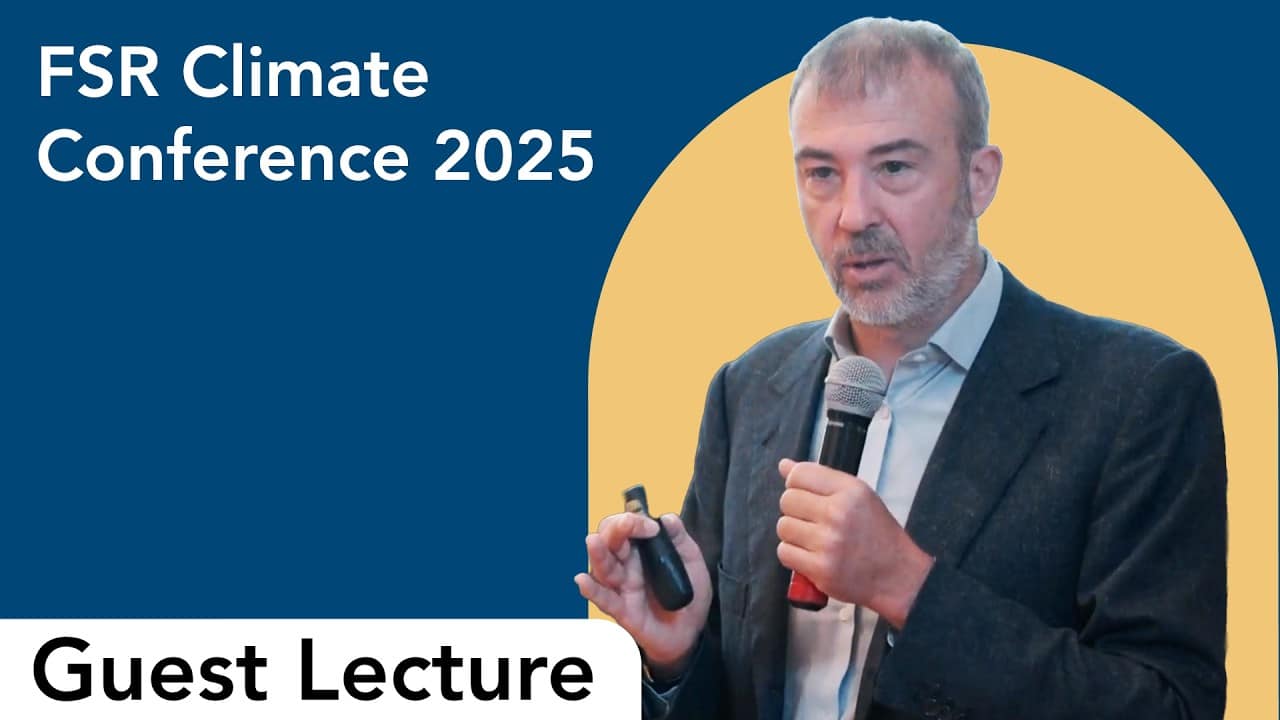
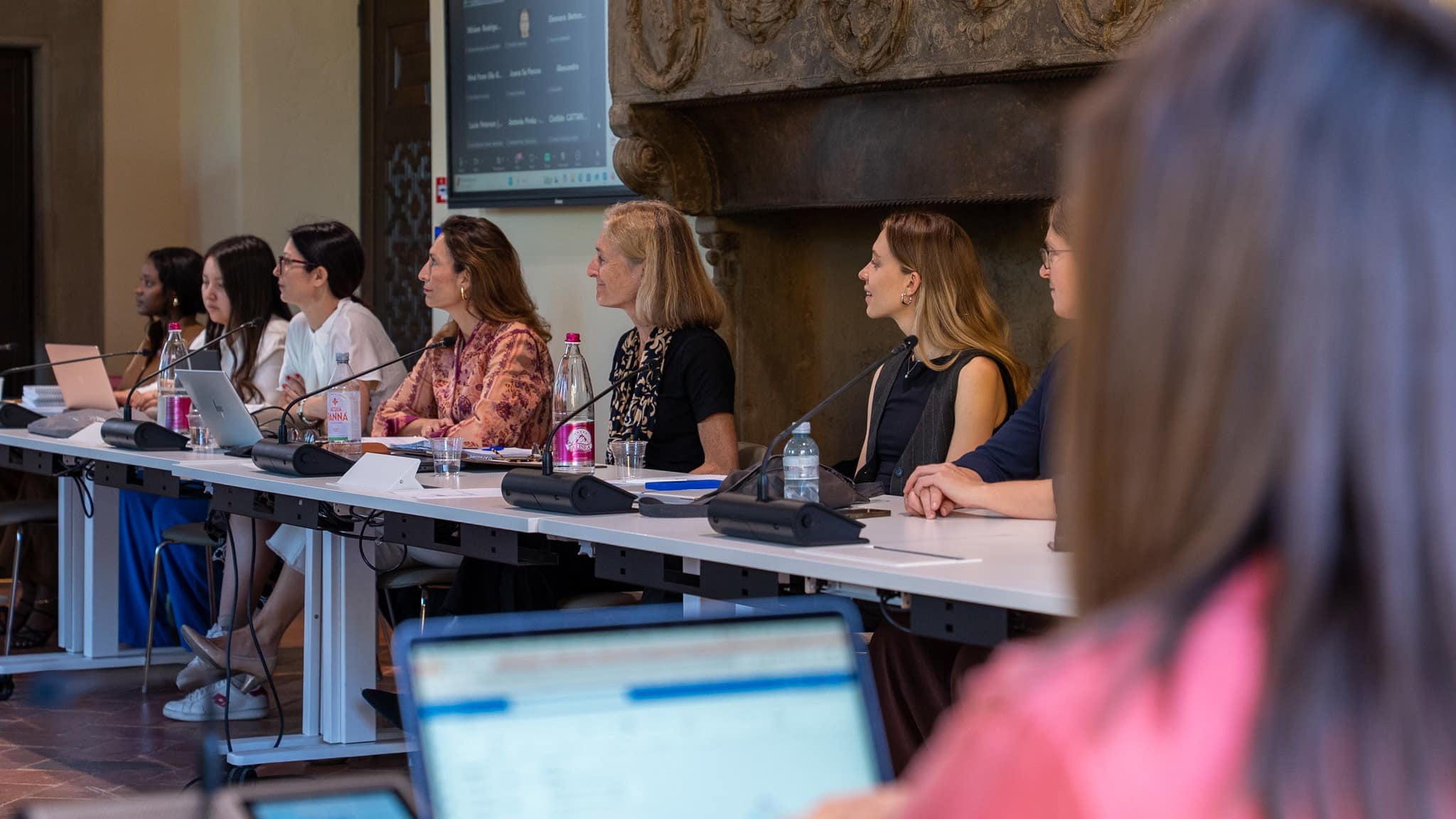
 Speaker: Peter Cramton
Professor, University of Maryland
Part-time Professor Joint Chair RSCAS/Economics Department
Discussant: Xavier Labandeira, Director, FSR Climate
Book edited by Peter Cramton, David JC MacKay, Axel Ockenfels and Steven Stoft
Download the book in pdf from here
This event was live streamed. Watch the recording:
Overview
After twenty-five years of failure, climate negotiations continue to use a “pledge and review” approach: countries pledge (almost anything), subject to (unenforced) review. This approach ignores everything we know about human cooperation. In this book, leading economists describe an alternate model for climate agreements, drawing on the work of the late Nobel laureate Elinor Ostrom and others. They show that a ”common commitment” scheme is more effective than an ”individual commitment” scheme; the latter depends on altruism while the former involves reciprocity (”we will if you will”).
The contributors propose that global carbon pricing is the best candidate for a reciprocal common commitment in climate negotiations. Each country would commit to placing charges on carbon emissions sufficient to match an agreed global price formula. The contributors show that carbon pricing would facilitate negotiations and enforcement, improve efficiency and flexibility, and make other climate policies more effective. Additionally, they analyze the failings of the 2015 Paris climate conference.
Contributors
Richard N. Cooper, Peter Cramton, Ottmar Edenhofer, Christian Gollier, Éloi Laurent, David JC MacKay, William Nordhaus, Axel Ockenfels, Joseph E. Stiglitz, Steven Stoft, Jean Tirole, Martin L. Weitzman
About the Editors
- Peter Cramton is Professor of Economics at the University of Maryland.
- The late Sir David JC MacKay was Regius Professor of Engineering at the University of Cambridge and Chief Scientific Advisor to the United Kingdom’s Department of Energy and Climate Change.
- Axel Ockenfels is Professor of Economics at the University of Cologne.
- Steven Stoft is an economic consultant and author of Carbonomics.
Endorsements
”The threat of climate change can be managed only by global cooperation. Here a distinguished panel of experts applies fundamental principles of economics to show how such global efforts can be sustained. This is a great and important book.”
– Roger Myerson, Glen A. Lloyd Distinguished Service Professor of Economics, University of Chicago; 2007 Nobel laureate, Economics.
Don’t miss any update on our events
Sign up for free and access the latest events from our community.
More on the topic