
From energy targets to investments: ideas for the next European Commission
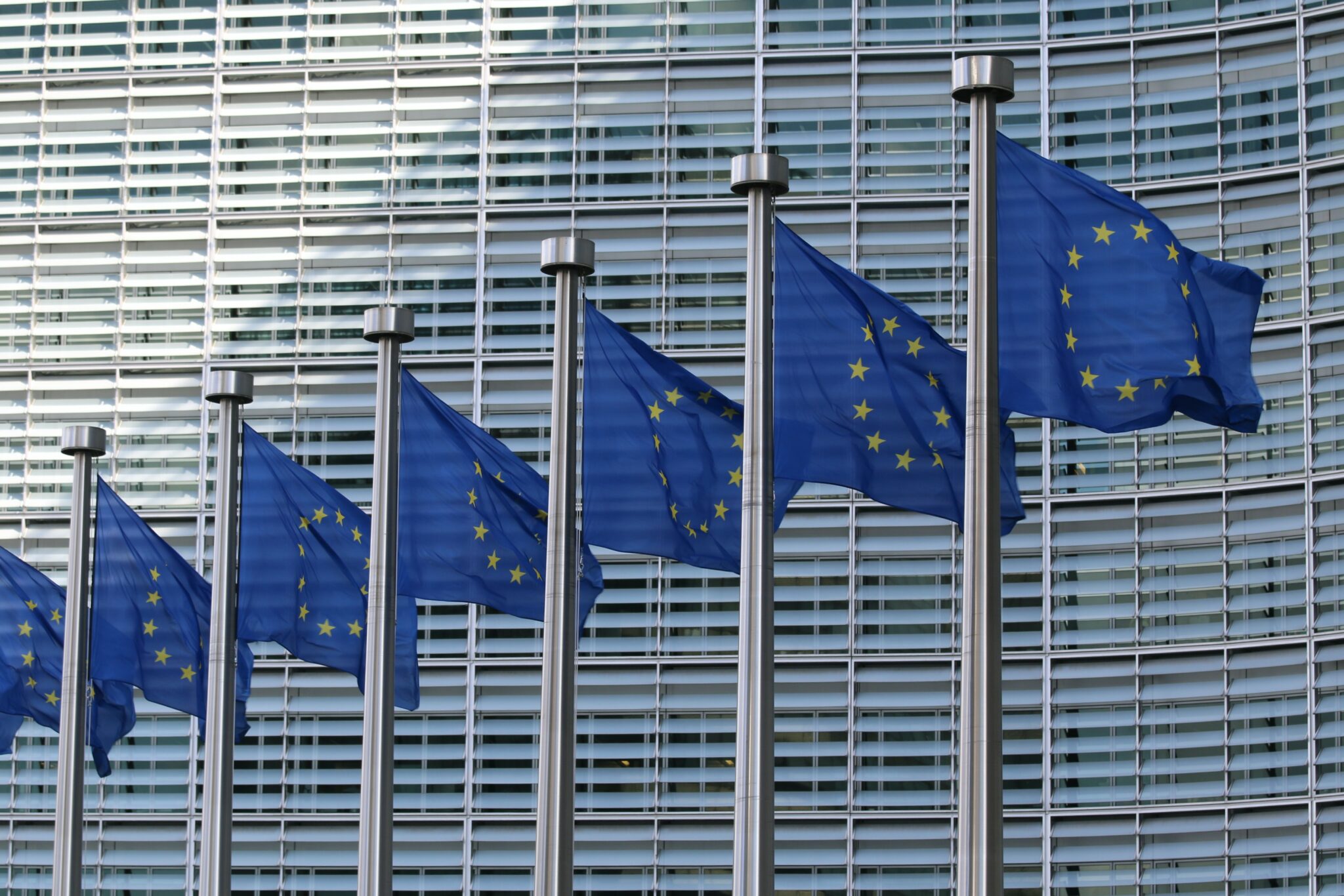
On 15 June 2023, the Florence School of Regulation (FSR) organised the first Policy Advisory Council (PAC) meeting of 2023. The PAC is composed of representatives of Star and Major Donors of the FSR, complemented by invited academics, regulators and policymakers. The PAC meets twice a year, typically in May-June and November-December.
The June PAC meeting this year was aimed at identifying which could be the policy priorities for the next European Commission in a number of areas in and related to the energy sector.
The meeting focused on four areas: energy markets; energy networks; energy and climate policy governance; and strategic autonomy.
As a result of the discussion in the meeting, a Policy Brief will be published in September and will be presented at the Workshop. Following the structure of the Policy Brief, the Workshop will be organised in four sessions:
- Session I: Make Member States more accountable to live up to their national investment potential for energy efficiency and renewable energy
- Session II: Promote multilateral cooperation and solidarity among Member States for network infrastructure, resource adequacy and flexibility
- Session III: Strengthen the management of our global dependencies
- Session IV: Reinforce the EU institutional setup
Each session will be opened by a presentation by a member of the FSR faculty, followed by a roundtable of representatives of FSR Donors. Each Donor will be invited to participate in up to two roundtables.
The feedback received during the Workshop will be used further to elaborate the content of the Policy Brief in the four areas listed above and, possibly, in other areas.
Please note that this event is by invitation only.
Sustainability assessment
The FSR assesses the sustainability and carbon footprint of all its Workshops of the Regulatory Policy Workshop Series. This Workshop is run according to a hybrid format, allowing participants to join it in presence in Florence or through internet-based remote connection. It is expected that most participants will participate in the Workshop through remote connection, while a few of them, who particularly value personal interaction, will join the Workshop in Florence. Therefore, there will be limited travel involved compared to a fully presential event. Those participants joining the event in Florence will be encouraged to offset any carbon emissions related to their air travel. It is considered that, in this way, a suitable balance is achieved between the effectiveness of the policy dialogue and the net carbon footprint of the event.
Don’t miss any update on our events
Sign up for free and access the latest events from our community.