


Congestion Management in the Internal Energy Market

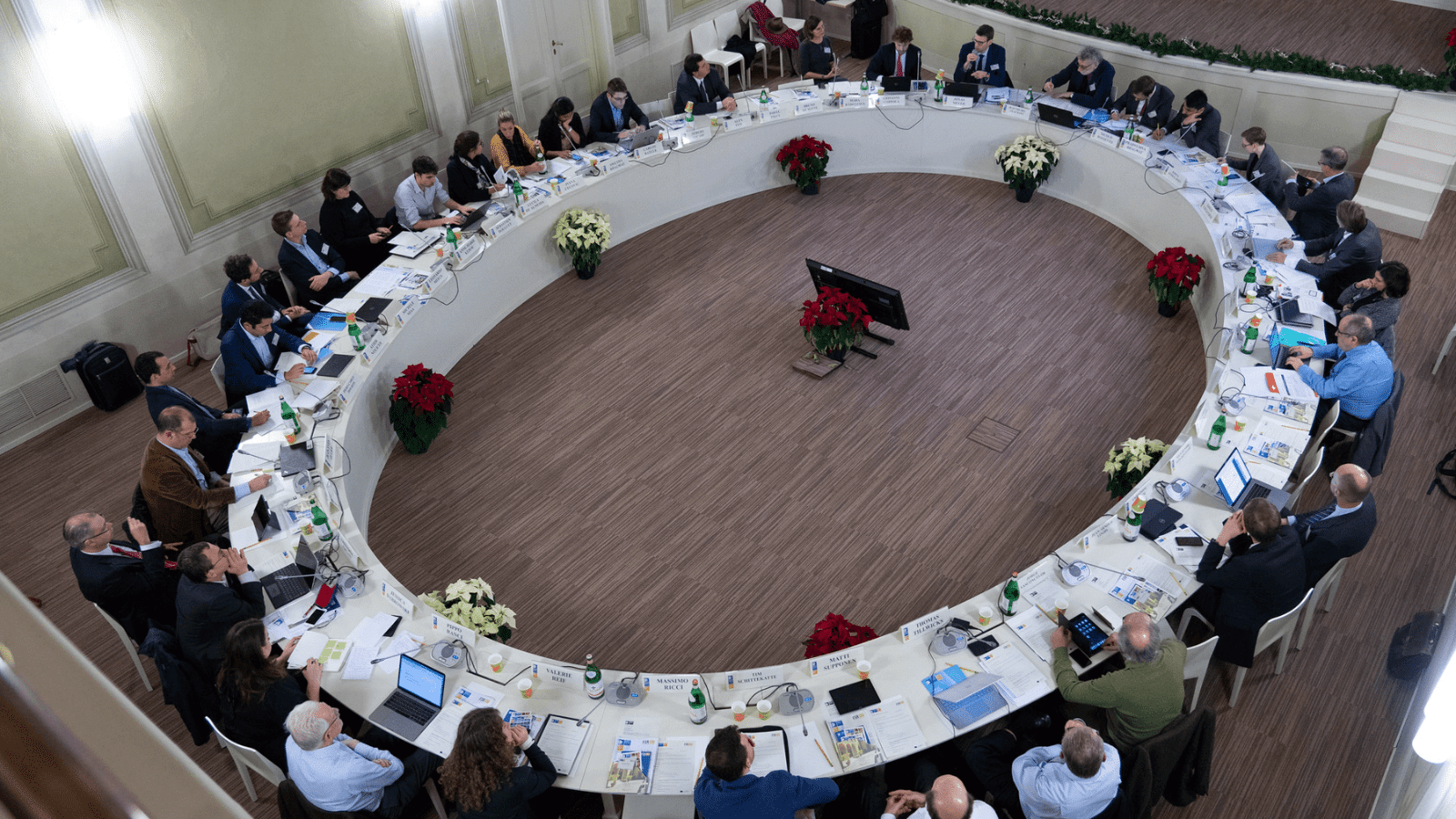
FSR Regulatory Policy Workshop Series 2016-2017
The establishment of a fully integrated European energy market is one of the five mutually-reinforcing and closely interrelated dimensions of the EU Energy Union strategy aimed at bringing greater energy security, sustainability and competitiveness to the EU’s economy. In this regard, the integration of national markets has been one of the primary objectives of EU energy policy since the 1990s and has been pursued throughout three legislative packages and detailed provisions defined in Network Codes and Guidelines.
The achievement of a fully integrated and well-functioning EU energy market requires both an optimal level of physical interconnection between national systems and the efficient use of such interconnection. Since the former does not necessarily imply a sufficient level of physical interconnection capacity to meet the demand for transport services at all times, the latter has to ensure that the available capacity is allocated in the most efficient way and is fully utilised when congestion occurs. Consequently, capacity allocation and congestion management procedures have been introduced both in the electricity and gas sectors; in some cases long before the entry into force of the formal provisions.
This Workshop aims at reviewing the experience with the implementation of capacity allocation and congestion management procedures in the electricity and gas sectors, considering both the early voluntary and the mandatory implementation phases. The discussion is also expected to inquire into the way cross-border capacity can be valued in the intra-day timeframe and the best indicators to signal congestion at gas interconnection points. While recognising the different characteristics of the two sectors, the Workshop will also consider whether there are lessons learned from one sector which can be relevant for the other.
The introductory session of the Workshop will broadly analyse the experience with capacity allocation and congestion management in the electricity and gas sectors. The following two Sessions will focus on the respective and specific experiences in the electricity and gas, identifying the most topical and yet – open issues.
This workshop is exclusively open to national regulators, representatives from public bodies and FSR donors.
Special registration requests must be submitted to the coordinator of this workshop, Ilaria Bellacci.
Download the programme
Don’t miss any update on our events
Sign up for free and access the latest events from our community.
More on the topic