


CEER-FSR Joint Training on the Introduction to Fundamentals of Energy Regulation

Overview
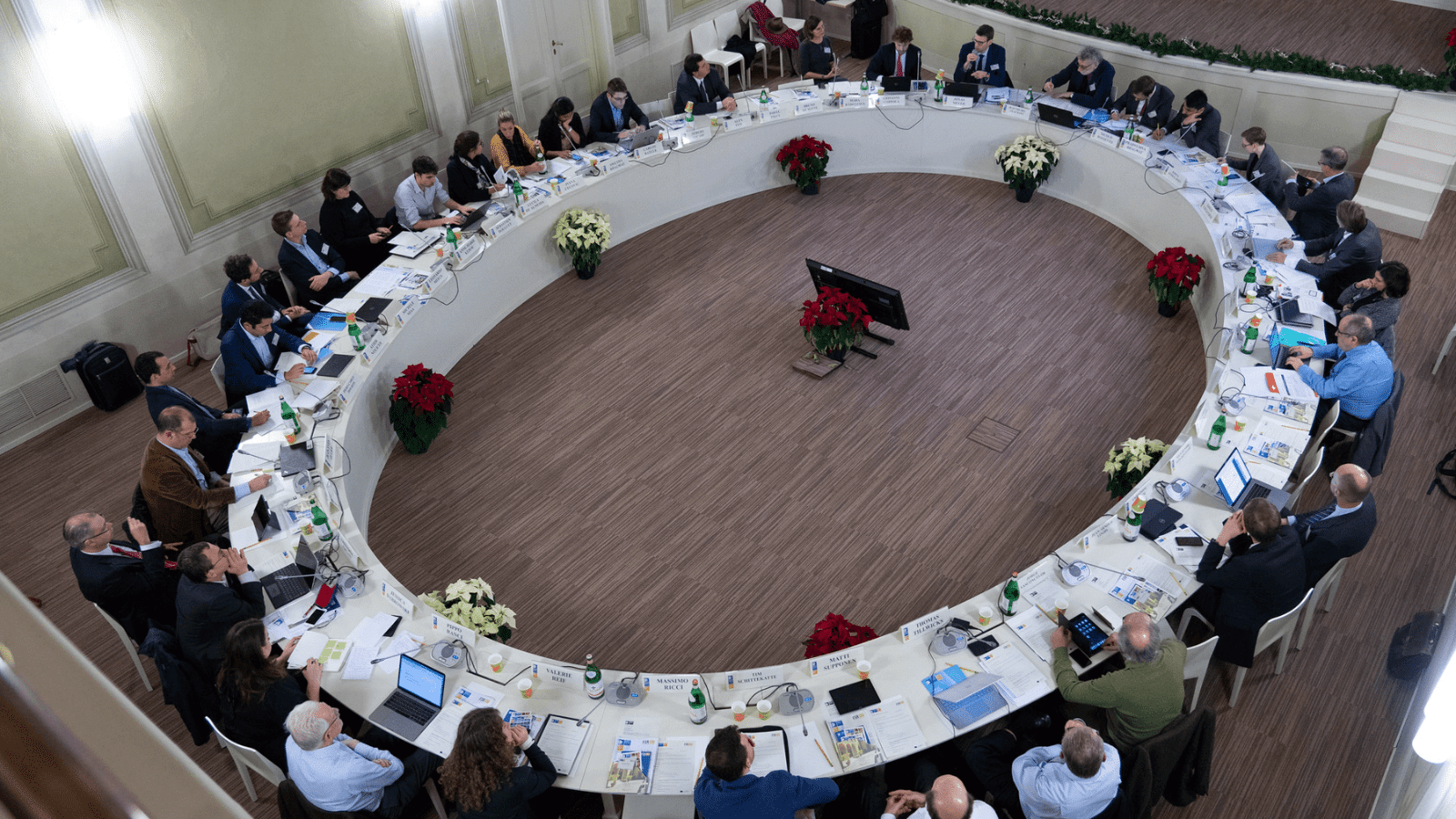
The Council of European Energy Regulators (CEER) and the Florence School of Regulation (FSR) are delighted to announce a unique joint course called “Introduction to Fundamentals of Energy Regulation”, to be held in the CEER’s office in Brussels in April 2016. This CEER-FSR course is focused on explaining the fundamentals of EU energy policy and regulation, building on similar successful courses held in 2014 and 2015. The course is ideally suited for newer staff members within National Regulatory Authorities (NRAs).
The CEER-FSR course will comprehensively explain the key aspects of EU electricity and gas regulation, both theory and practice, across the energy cost chain from wholesale markets through to networks and retail issues. Attendees will be provided with a clear understanding of the economic and legal frameworks that have developed in European energy regulation, including an explanation of the main institutions and participants involved.
The course brings together the FSR’s rigorous academic understanding of regulatory principles along with senior regulatory practical knowledge and expertise. By combining academic groundings and practical on-the-job regulatory experience, the course seeks to build the operational understanding, capacity and tools for newer NRA staff members, which they can then apply in their work.
The course is co-directed by Koen Locquet, CEER Training Group Chair, CREG Director of Administrative Affairs, and Jean-Michel Glachant, FSR Director.
Content
The course comprises of two standalone – but related – modules, as follows:
Module 1: EU Energy Regulatory Framework and Policy
- EU energy regulation and energy policy: the landscape
- EU energy regulation and energy policy: the institutions, actors and forms of cooperation
- Introduction to the European legal framework for energy: logic and dynamics
- Retail markets and customer protection
Visit to a TSO regional operational coordination centre in Brussels (20 April.)
Both participants of Module 1 and Module 2 can participate in this field trip. Participants will have a chance to learn of the need for pan-European TSO operational coordination and infrastructure (including IT systems) in place to perform operational coordination activities.
Module 2: European Electricity and Gas Market Regulation
- Electricity Markets
- Gas markets
- Electricity grids and gas grids
Don’t miss any update on our events
Sign up for free and access the latest events from our community.
More on the topic