


8th Florence Intermodal Forum: Greening European Cargo Operations
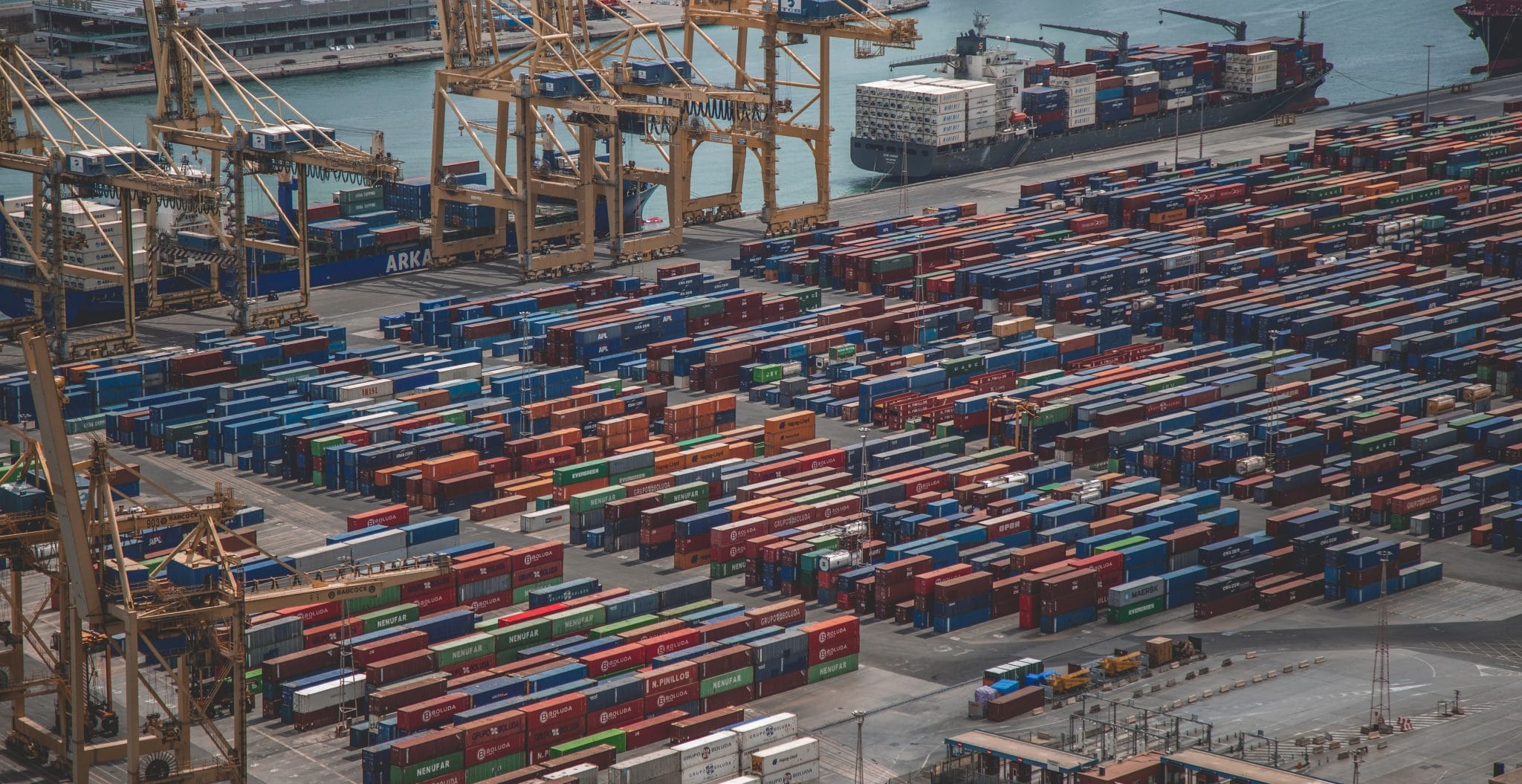
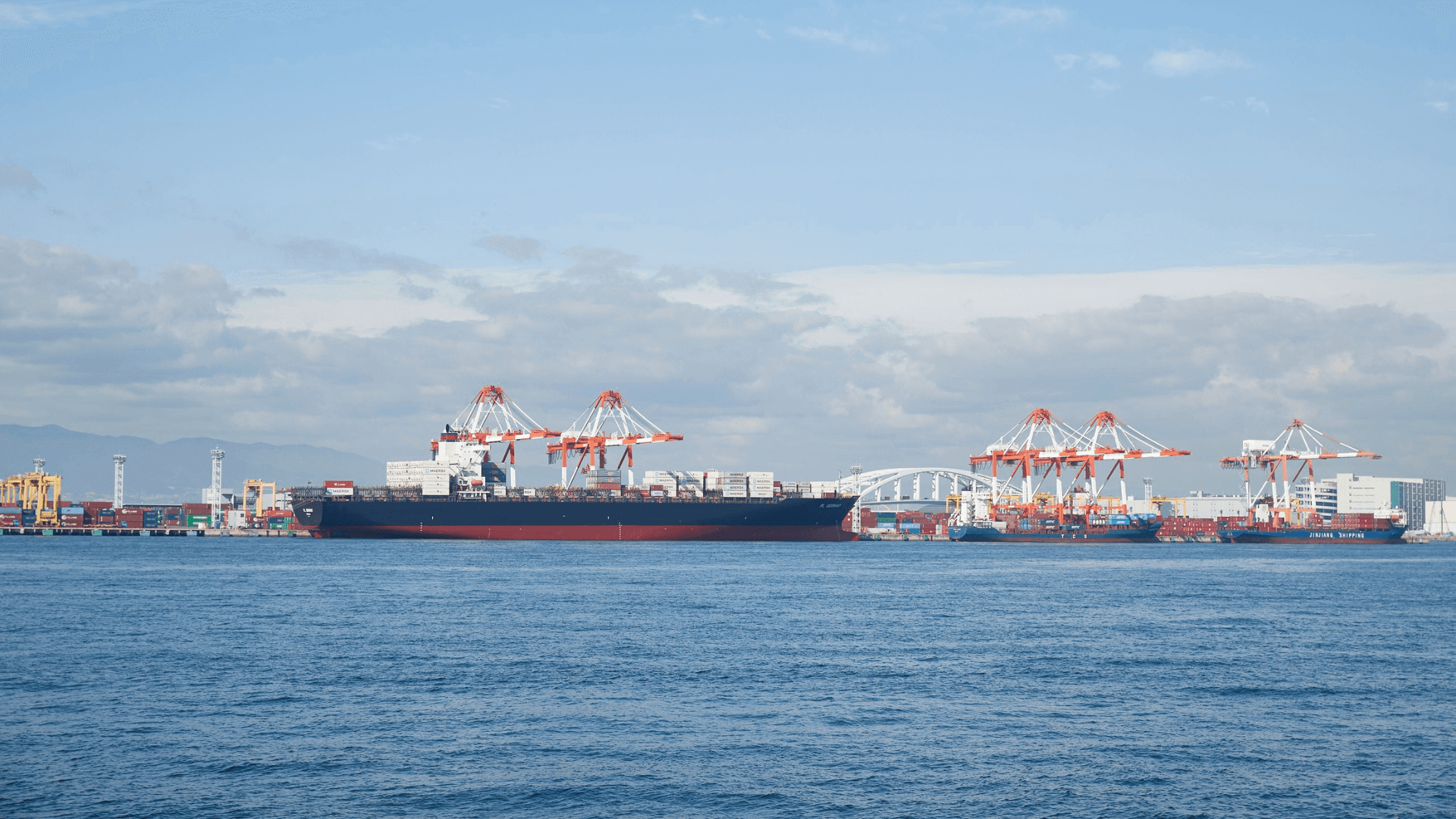
Cargo transport is an important sector for the European economy, representing 6% of its Gross Domestic Product (GDP). Roughly 75% of the transport operations (in terms of ton-kilometers) that make up the sector are currently performed by trucks on European roads, which, in turn, entail massive environmental and societal impacts. To put things into perspective, the freight sector is responsible for 75 million tons of CO2 emissions and 50,000 premature deaths/fatalities each year. Prior to the COVID-19 pandemic, the sector was expected to continue growing, and road freight transport, in particular, was projected to increase by around 40% by 2030 and by little over 80% by 2050.
To support the greening of cargo operations, the European Green Deal calls for a substantial part of the inland freight traffic to shift away from road towards cleaner modes such as rail, inland waterways and short-sea shipping. More specifically, the recently published Sustainable and Smart Mobility Strategy stipulates that rail freight traffic should increase by 50% by 2030 and double by 2050, whereas transport by inland waterways and short sea shipping should increase by 25% by 2030 and by 50% by 2050. In this context, the Commission has pledged to substantially revamp the existing framework for multimodal transport. The scarcity of transhipment infrastructure, and of inland multimodal terminals, in particular, which is pronounced in certain parts of Europe, would need to be addressed, and missing links in multimodal infrastructure closed. Ultimately, all transport modes for freight would have to come together in multimodal terminals. This, in turn, is to be further stressed in TEN-T and Rail Freight Corridor reviews and supported by EU funding and other policies, including R&I support. Important support measures, regulatory or economic, can be also foreseen in the revision of the Combined Transport Directive and other instruments. In addition, the review of the State aid rules, which already provide for a relatively flexible framework to publicly fund sustainable transport, can further contribute to the EU’s modal shift and multimodality objectives.
Not the least, both consumers and businesses need to be empowered to make more sustainable delivery and transport choices through the provision of adequate information on the climate footprint as well as on the available alternatives of their deliveries. To this end, the Commission has announced plans to establish a European framework for the harmonised measurement of transport and logistics-related greenhouse gas emissions, based on global standards. This initiative aims to overcome the existing fragmentation of various calculation methodologies, allow for reliable calculation of emissions, and enable a fair comparison of different transport options in the multimodal perspective, based on their GHG performance.
Against this background, the 8th Florence Intermodal Forum, co-organised by the Transport Area of the Florence School of Regulation and the Commission’s DG MOVE, will bring together policy makers, operators and manufacturers among others, for a discussion on the various measures to foster the greening of cargo operations in Europe. More specifically, stakeholders will be invited to critically discuss the following questions in two dedicated thematic sessions:
- Boosting the share of multimodal freight transport: How can the revision of the Combined Transport Directive help to revamp the regulatory framework for multimodal transport and boost the use of multimodal transport solutions? What is the role of economic incentives for both operations and infrastructure? How can State aid guidelines further support multimodality?
- Towards a common European framework for the harmonised measurement of transport and logistics greenhouse gas emissions: What environmental information should businesses and end-users be provided with? How can common greenhouse gas indicators boost demand for more sustainable transport and delivery solutions while avoiding greenwashing? Should carbon footprint information be considered as a new right, applicable to all modes?
SPEAKERS SLIDES
Introduction
Matthias Finger – Florence School of Regulation Transport Area
Session A: Boosting the share of multimodal freight transport
Session B: Towards a common European framework for the harmonised measurement of transport and logistics greenhouse gas emissions
Alan McKinnon – Kuehne Logistics University
Don’t miss any update on our events
Sign up for free and access the latest events from our community.
More on the topic