


3rd Conference on the Regulation of Infrastructures: Taking stock of current challenges
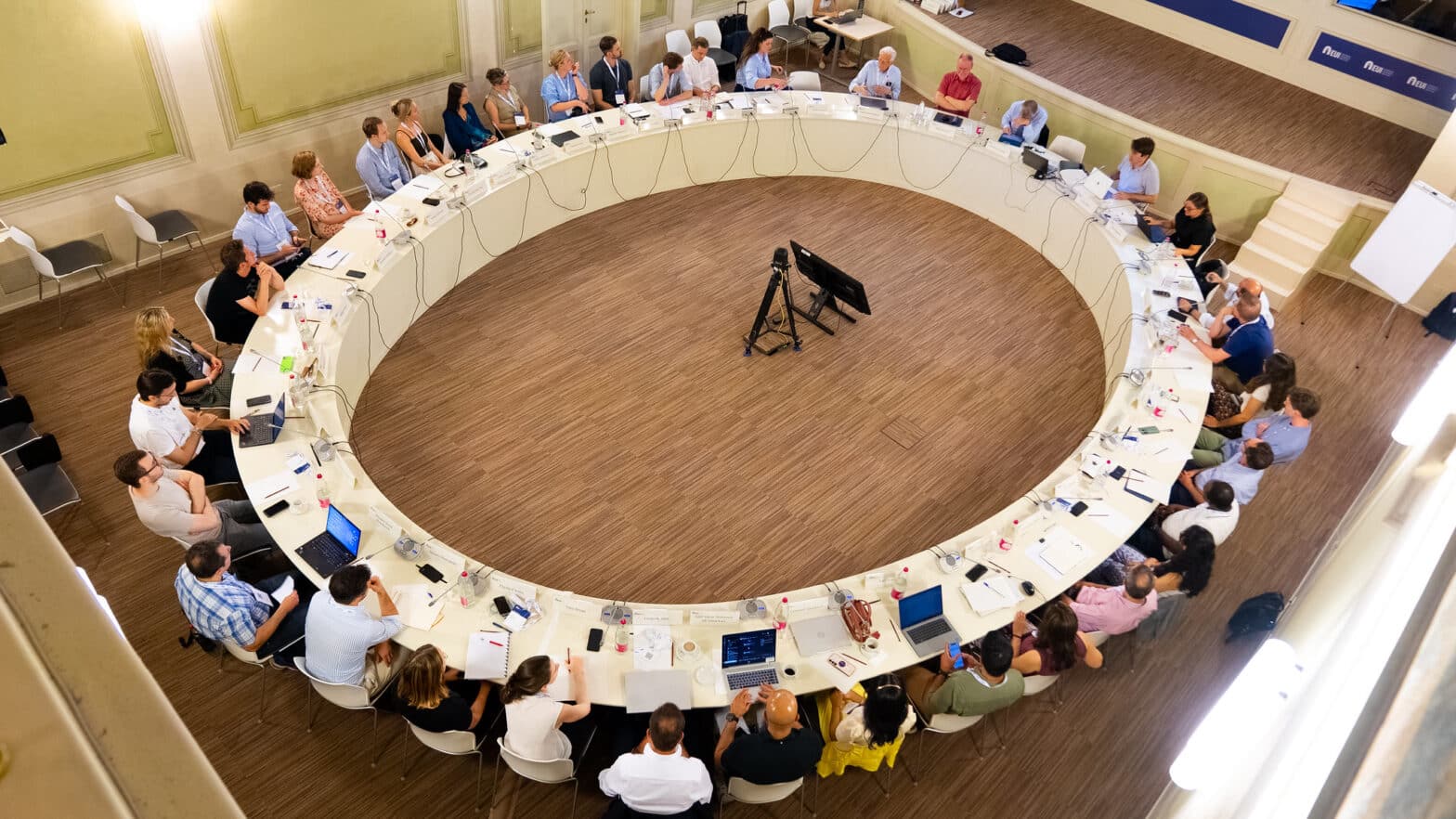
Continuing the successful format, the 3rd Conference on the Regulation of Infrastructures will take place on Friday, 13 June and bring together all research areas of the Florence School of Regulation to discuss current challenges in the regulation of the Infrastructure Industries.
The de- and re-regulation of the different network industries is an ongoing process. As this process unfolds, ever new phenomena emerge, which generally call for more, rather than less regulatory intervention. Yet, the question about the right mixture between market, economic, technical and social regulation remains wide open in all network industries. And the question becomes even more acute when considering infrastructure development, as, at least in some of the network industries, state aid is practiced if not required, thus triggering additional questions of market distortion and the complex interplay between sector specific and competition regulation . This 3rd Florence Conference on the Regulation of Infrastructures aims at taking stock of the major challenges infrastructure regulation is currently facing. It does so
-
by looking at the main infrastructure sectors, notably telecommunications, postal services, electricity, gas, railways, air transport, urban public transport , as well as water distribution and sanitation; intermodal approaches to infrastructure regulation (e.g., rail and air, road and rail, electricity and gas, post and telecommunications) are particularly encouraged
-
by looking at infrastructure regulation from various disciplinary approaches, notably engineering, economics, law and political science; interdisciplinary approaches are particularly encouraged ;
-
by linking an academic approach to practical relevance; policy relevant research papers are again particularly encouraged; and
finally, we especially welcome papers that link technology and institutions in a dynamic perspective. Interested junior academics – advanced PhD students, PostDocs and Assistant Professors – along with academically minded practitioners are particularly encouraged to participate . Outstanding papers will have the chance to be rapidly published in the Journal Competition and Regulation in Network Industries. The best paper will receive an award.
Unique Conference Format
The format of the Florence Conference on the Regulation of Infrastructures is unique:
-
each presenter has 45’, which includes 20’ of presentation, 10’ of qualified feedback and 15’ of discussion with the audience (there are only 2 papers per session, guaranteeing high quality);
-
feedback will be given by senior professors associated with the Florence School of Regulation, who are specifically knowledgeable about the topic at hand;
-
papers which will be retained for publication will receive additional feedback beyond the conference
Interested academics – advanced PhD students, PostDocs and Assistant Professors – along with academically minded practitioners are particularly encouraged to participate and discuss the presentations.
Scientific Committee
- Prof. Matthias Finger (EPFL and EUI, Director of the Transport Area of FSR)
- Prof. Jean-Michel Glachant (Director of the Energy Area of FSR)
- Prof. Pier Luigi Parcu (Director of the Communications and Media Area of FSR)
- Prof. Stéphane Saussier (IAE de Paris and FSR, Director of the Water Area of FSR)
Organised with


DOWNLOAD
RELATED PRESENTATIONS
Don’t miss any update on our events
Sign up for free and access the latest events from our community.
More on the topic