




1st Florence Maritime Forum. Ports: How to Regulate Logistics Interfaces?
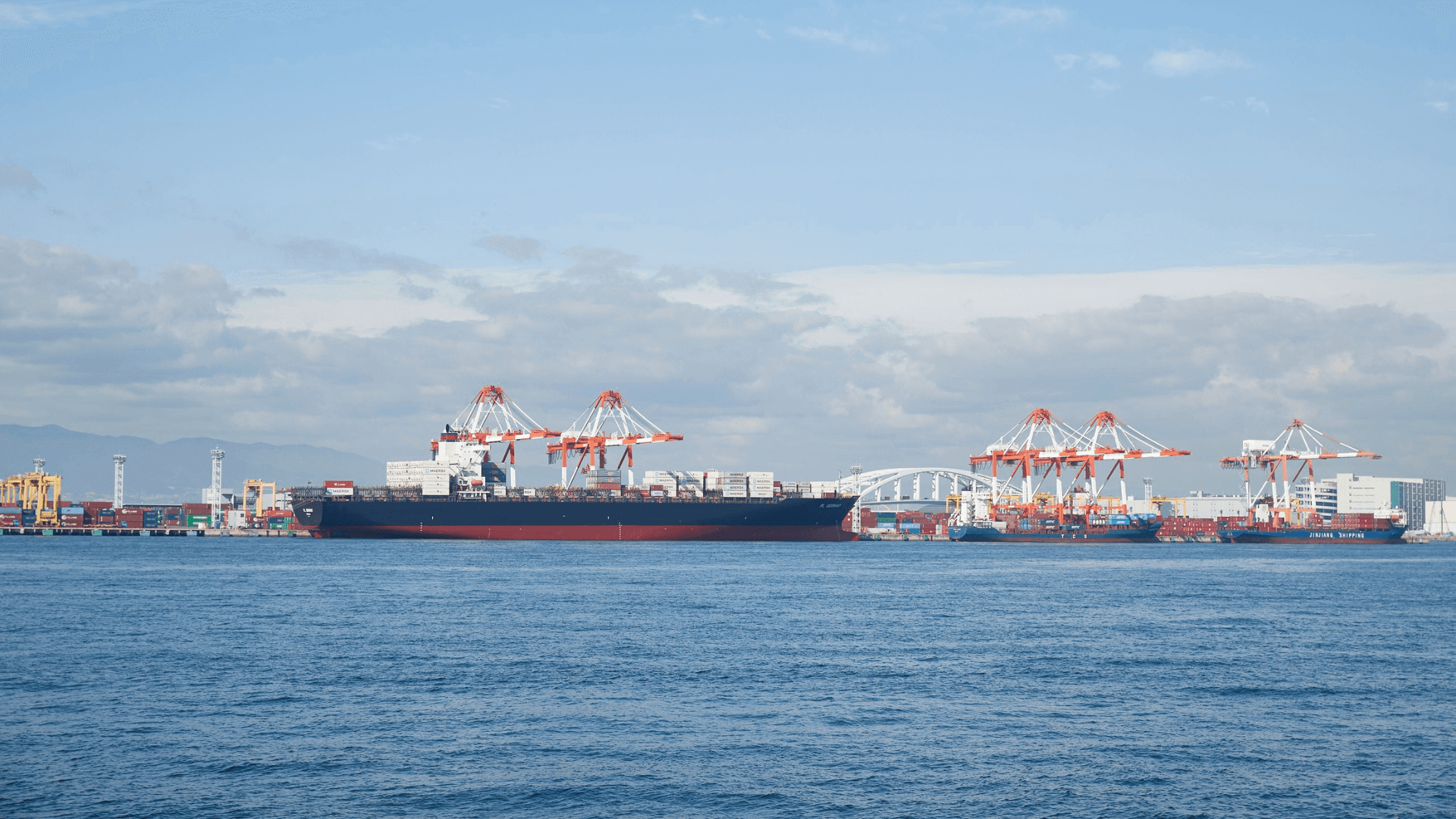
Ports play an important role in maritime, road and rail transportation. The regulation of port activities, therefore, affects all the transport modes. This Forum aims at exploring the current challenges in ports’ regulation and their implications for transport in general and on intermodal transport in particular.
Ports were historically thought of as locations where vessels could load and discharge cargo; they were not considered as a transportation provider but as an interface. Today’s port is no longer an isolated node but instead is an integral part of the global logistics system or, as it is more commonly known, the global supply chain. The global supply chain is actually a network of individual supply chains that follow specific trade routes. Each component of the supply chain, including the ocean carriers, ports, terminals, and intermodal service providers, are equally responsible for the success of the transportation product being delivered. That transportation product must please the shipper or they will shift their business to another logistics system, i.e., route, and thus another port.
Ports have always been competitive with one another but now it is supply chains that compete for cargo and the economic development that accompanies port enterprises. Today’s competitive pressures come from not only business interests but also from shifting world trading patterns, maritime security threats, environmental regulations, and public and community demands and concerns including health and congestion. This requires the efficient, secure, and cost-effective transport of the goods from the seller to the buyer. With all these issues and the risk of disruptions to supply chain flows from natural and human-related incidents, how are governments to help promote maritime practices at these logistic interfaces and maintain the competitive-driven efficiencies that private businesses bring to the transportation enterprise?
The Forum will give the opportunity to senior stakeholders to address these issues by discussing, inter alia, the following questions:
- Who are currently the important actors in port regulation? And who should it be ideally?
- How do port regulations affect maritime and intermodal transport?
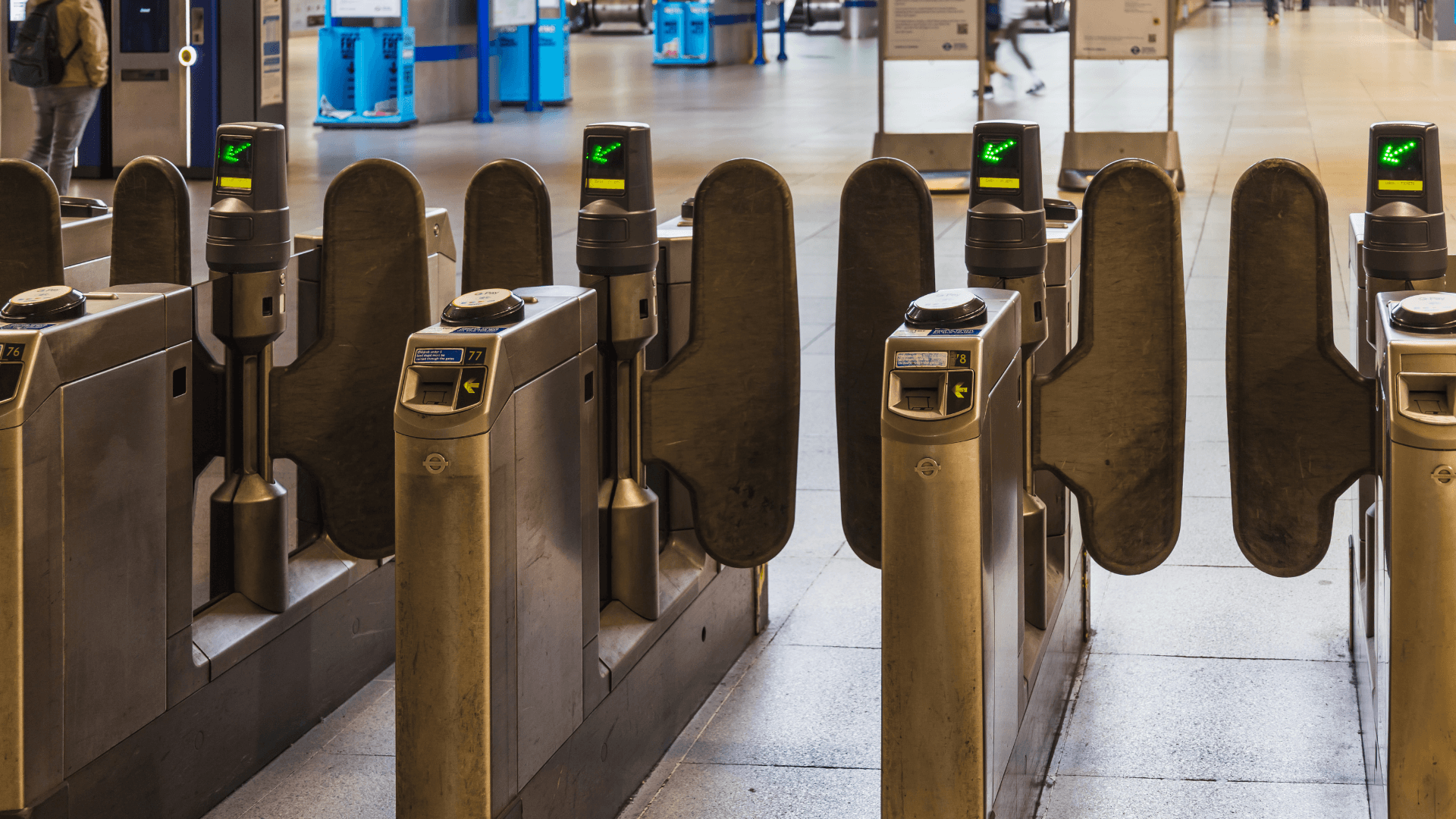
- How does the regulation of connecting transport modes (e.g. rail, road) affect the port activities?
- What actions can regulators take to ease the connectivity between maritime and land transport? How should governments help to promote maritime practices?
- Which are the challenges laying ahead?
For more information or early registration, please contact FSR.Transport@eui.eu
DOWNLOAD
Don’t miss any update on our events
Sign up for free and access the latest events from our community.
More on the topic