


Digitalisation, Citizen Participation and Gender Balance in the Energy Transition
This is the second instalment of the Topic of the Month on the Citizens’ Energy Package

The views and opinions expressed in this blog are those of the author and are shared in a personal capacity.
The Citizens’ Energy Package places citizens at the centre of the energy transition. However, the depth and quality of participation will increasingly depend on how digital technologies are designed and governed.
In support to Canada G7 presidency, International Renewable Energy Agency (IRENA) assessed the use of AI and digital solutions to support the energy transition 1. Smart meters, peer-to-peer platforms, AI-enabled forecasting and digital twins are reshaping power systems. Digital tools enhance monitoring, forecasting, operational optimisation and transparency — all essential for integrating higher shares of renewables and enabling demand-side participation. But fundamental to all the above is data, its quality, and the secure exchange. ENTSO-E and EU DSO entity in their publications underlines that secure, interoperable and trusted data infrastructures are prerequisites for real-time flexibility and citizen-oriented services.
However, technology alone does not guarantee inclusive participation. IRENA confirms a persistent structural pattern: women represent 32 percent of the global renewable energy workforce, with significant differences across technologies and roles. Participation is higher in solar (40%) than in wind (20%), and women remain more represented in administrative and non-technical positions than in STEM and technical roles that shape the energy transition.
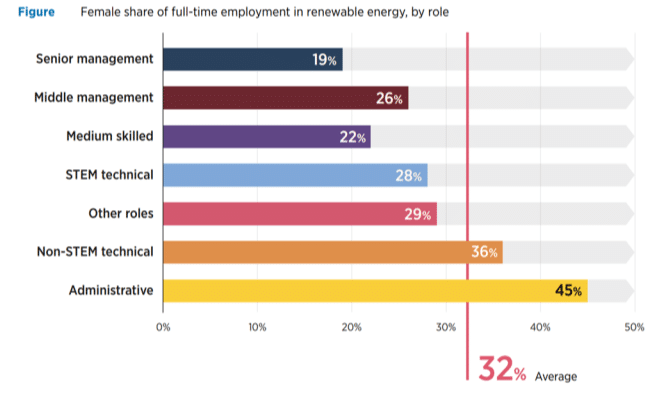
As power systems become more digital, workforce composition will influence who designs algorithms, structures market platforms and defines data governance. If digital skills development does not address existing gender imbalances, technological progress may unintentionally reinforce structural gaps.
Policy responses should focus on combining three elements: expanding digital and STEM skills, improving gender-disaggregated workforce data, and embedding inclusive innovation frameworks in market design and regulation.
Digitalisation is therefore not only a technical transition but also a socio-economic one. Ensuring that innovation expands participation, rather than reinforcing existing divides, will be essential for building a truly citizen-centred and inclusive energy system.
Learn more
Renewable Energy: A Gender Perspective (second edition)
Don’t miss any update on this topic
Sign up for free and access the latest publications and insights
More on the topic