
Upcoming EU methane legislation: agreement on the goal, but not on a pathway
Highlights from the FSR - EDF webinar: Is the EU ready for new methane legislation?

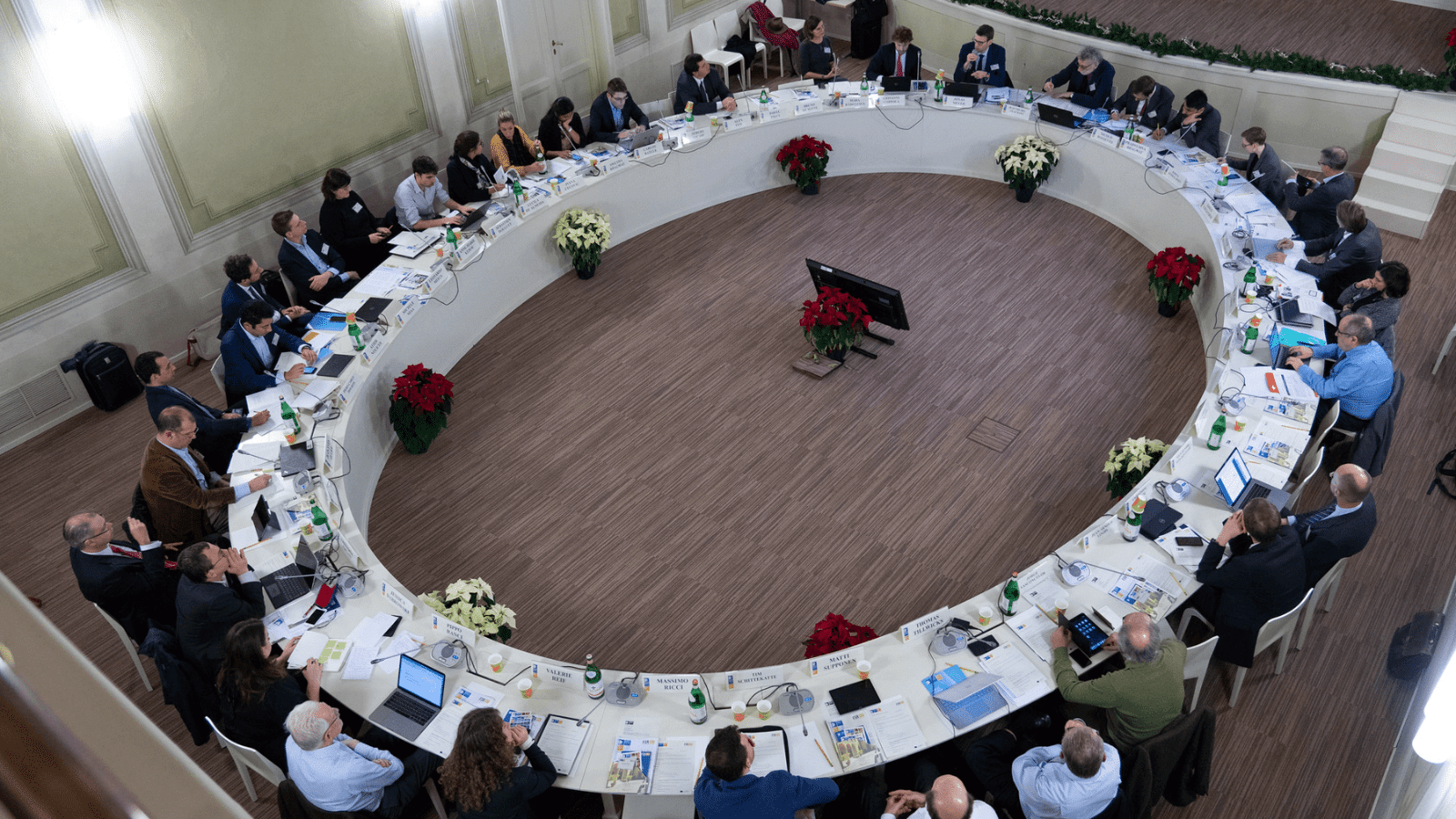
The legislative proposal on methane emissions is due at the end of this year. During a joint webinar organised by the Florence School of Regulation and Environmental Defense Fund on 24 September, nine panelists tackled the question: Is the EU ready for new methane legislation?
Although the proposal will be drafted and tabled by the EU Commission, the final version of EU methane legislation will result from intense negotiations between the Commission, the European Parliament, and the Council representing 27 EU Member States. The views from different institutions seem to converge on the scope of the proposal – energy-related emissions from oil, gas, and coal (from both operational and abandoned coal mines) and focus on Measurement, Reporting and Verification (MRV), improved Leak Detection and Repair (LDAR) and restrictions on venting and flaring.
Some controversies persist. The EU Parliament insists on introducing binding measures to address methane emissions from imported natural gas and tackling emissions from agriculture, the most significant source of methane emissions in the EU with 53% share all anthropogenic emissions. The Council, on the other hand, is concerned that the proposal will be too prescriptive, not leaving enough flexibility to the MSs.
The issue of imported emissions and flexibility/proportionality of upcoming regulations turned out to be the key themes during the two subsequent sessions. Marco La Cognata (ARERA) emphasised the need to consider the existing safety regulations and cost-effectiveness and cost-efficiency of measures undertaken by the regulated companies (the key entities impacted by the new rules), which will be subject to the national regulators’ assessment.
The suggestions on the Italian strategy to reduce methane emissions from the natural gas supply chain will be presented during the joint Amici della Terra – EDF webinar on 28 September 2021.
Klaus Dieter Borchardt (Baker McKenzie) noted that the EU Commission does not have instruments to put any obligations on National Regulatory Authorities (NRAs) and suggested two alternative solutions. The former EU Commission official emphasised the need to instrumentalise an international framework (International Methane Emissions Observatory, IMEO) to deal effectively with emissions from fossil fuel imports. Otherwise, the EU executive can apply other instruments such as performance standards or Carbon Border Adjustment Mechanism (CBAM). Yet, all those measures require a well-defined verification system, as noted by Karolina Čegir from the Energy Community.
The view of the industry focused on flexibility, especially in the context of methane detection and measurement technologies. While the industry speaks with one voice on the need to improve current methane emissions inventories to get more accurate marginal abatement cost curves, the companies’ representatives remain divided on reduction targets.
Related links:
Previous series of FSR-EDF webinars:
- Addressing methane emissions in the context of energy system integration: what climate value for gas?
- Designing an EU methane performance standard for natural gas
Cover the basics: Methane Emissions
Andris Piebalgs to address G20 at UNEP workshop
Don’t miss any update on this topic
Sign up for free and access the latest publications and insights
More on the topic