
These reflections open by acknowledging the victims and expressing solidarity with all those affected by the January 2026 rail accidents.
Train crashes in Spain: what happened and why
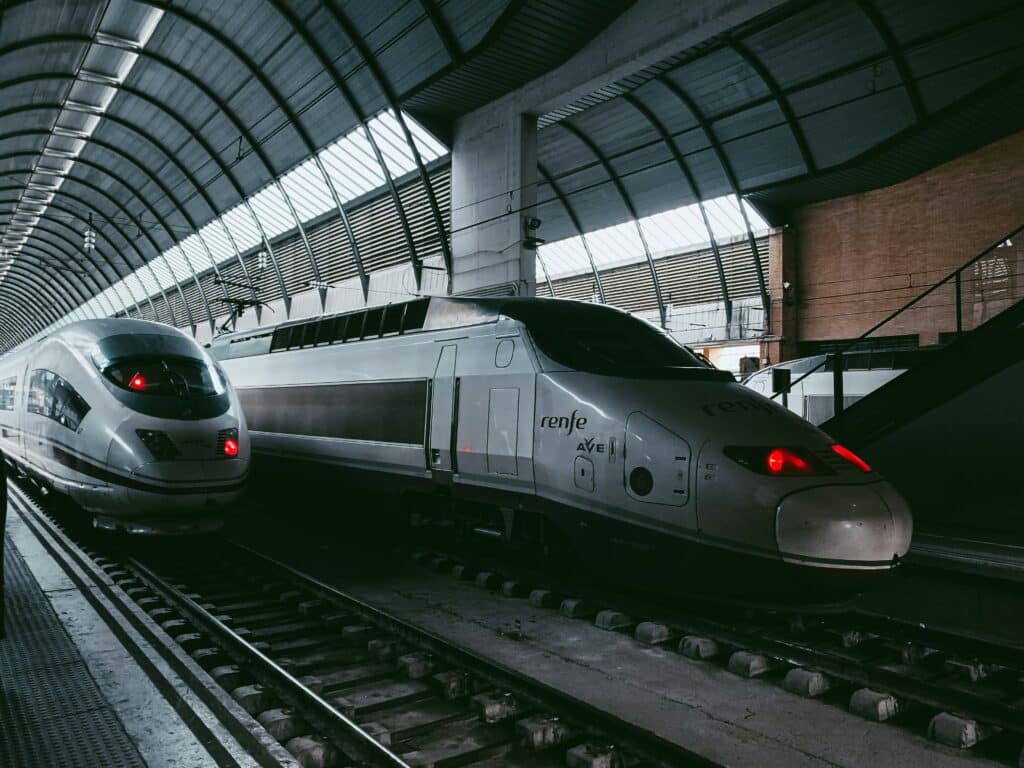
The Spanish rail system, long held as a flagship for high-speed and regional rail in Europe, has been shaken by two severe accidents in January 2026: a catastrophic collision between high-speed trains near Adamuz in Andalusia, which killed dozens of people and injured many more, occurring on a straight, recently refurbished section of track, and a commuter train derailment near Gelida (Barcelona) triggered by a wall collapse onto the track after heavy rainfall, which killed the driver and injured over 30 passengers, prompting emergency responses and suspensions of services.
Initial investigations into the high-speed crash have identified a potentially broken rail joint that may have initiated the derailment before the collision, though causal findings remain provisional. The commuter derailment’s link to extreme weather highlights the growing relevance of climate-related stresses on infrastructure resilience. However, investigations are still ongoing to ascertain the causes of both accidents.
Safety in European transport
These tragedies underscore that rail safety depends on the integration of robust infrastructure maintenance, climate risk planning, advanced monitoring technologies, and harmonised regulatory oversight across the network and service levels.
They also highlight the importance of a coherent European rail regulatory framework that enhances interoperability, safety standards, and investment mechanisms, so that infrastructure managers and railway undertakings operate in a transparent, risk-managed environment consistent with the goals of the single European railway area. [1]
European rail policy aims to create a connected, safe, resilient, and decarbonised mobility system across the EU, recognising that rail’s low greenhouse gas footprint makes it central to sustainable transport strategies under the wider European Green Deal and Sustainable and Smart Mobility Strategy, which include significant infrastructure investment through mechanisms such as the Trans-European Transport Network (TEN-T).
Some of the current safety mechanisms in the EU High-Speed Rail infrastructure
The EU approaches the safety of the high-speed rail (HSR) infrastructure through a layered framework that combines technical safety systems, regulatory intervention, and resilience measures against both accidental and intentional threats. Although rail safety remains a national matter, the EU provides binding technical standards and a coordination mechanism to ensure cross-border minimum standards. As mentioned in the TEN-T Regulation, European real-time traffic management systems (ERTMS) are at the core of EU high-speed rail safety. ERTMS is mandatory on new high-speed lines and is being progressively deployed across the core TEN-T, with 2030 as the deadline. Its operation relies on the European Train Control System (ETCS), which continuously supervises train speed and movement and automatically intervenes to prevent collisions, speeding, or signal overruns.
EC’s most recent communication on “Connecting Europe through high-speed rail” places infrastructure funding at the centre of the European approach to ensuring safe, resilient and interoperable high-speed rail networks. This communication builds on the TEN-T regulation and recognises that safety-relevant investments require predictable and coordinated financing at the European level, which means combining European grants and national contributions with projects that require operational safety, infrastructure resilience, and rapid recovery from disruptions. The Connecting Europe Facility (CEF) and the Recovery and Resilience Facility reinforce rail infrastructure safety by financing ERTMS deployment, digitalisation, and line upgrades, intended to increase the safety and resilience of HSR lines. Hence, the EU’s high-speed rail safety relies on preventing system designs, harmonising standards and resilient infrastructure planning.
Taken together, these measures reflect the core policy priorities emerging from our current research — improving infrastructure governance, enhancing safety and interoperability, and aligning investment with strategic climate and mobility objectives — so that rail can continue to serve as a safe and sustainable backbone of European transport and green transition.
[1] The line of the first accident is part of the TEN-T core network.
Read more
Implementing the EU High-Speed Rail Master Plan