

Research

The School carries out applied research with the purpose of developing economically, legally, and socially-sound regulation and policy, using a multidisciplinary approach.

Reflections on climate resilient tourism : evidence for the EU ETS-2 and voluntary carbon markets

The chapter discusses transition risk for tourism, addressing its relation with the Environmental Kuznets Curve and overtourism. Transition risk emerges when an economic model...

Authors
Matteo Mazzarano Simone Borghesi GG
Article
Research on the impact of urban rail transit on the financing constraints of enterprises from the perspective of sustainability
Discover more
Article
SPS and TBT measures through the lens of bilateral and GVC-related regulatory distance
Discover more

Executive Education

We offer different types of training: Online, Residential, Blended and Tailor-made courses in all levels of knowledge.

Policy Events

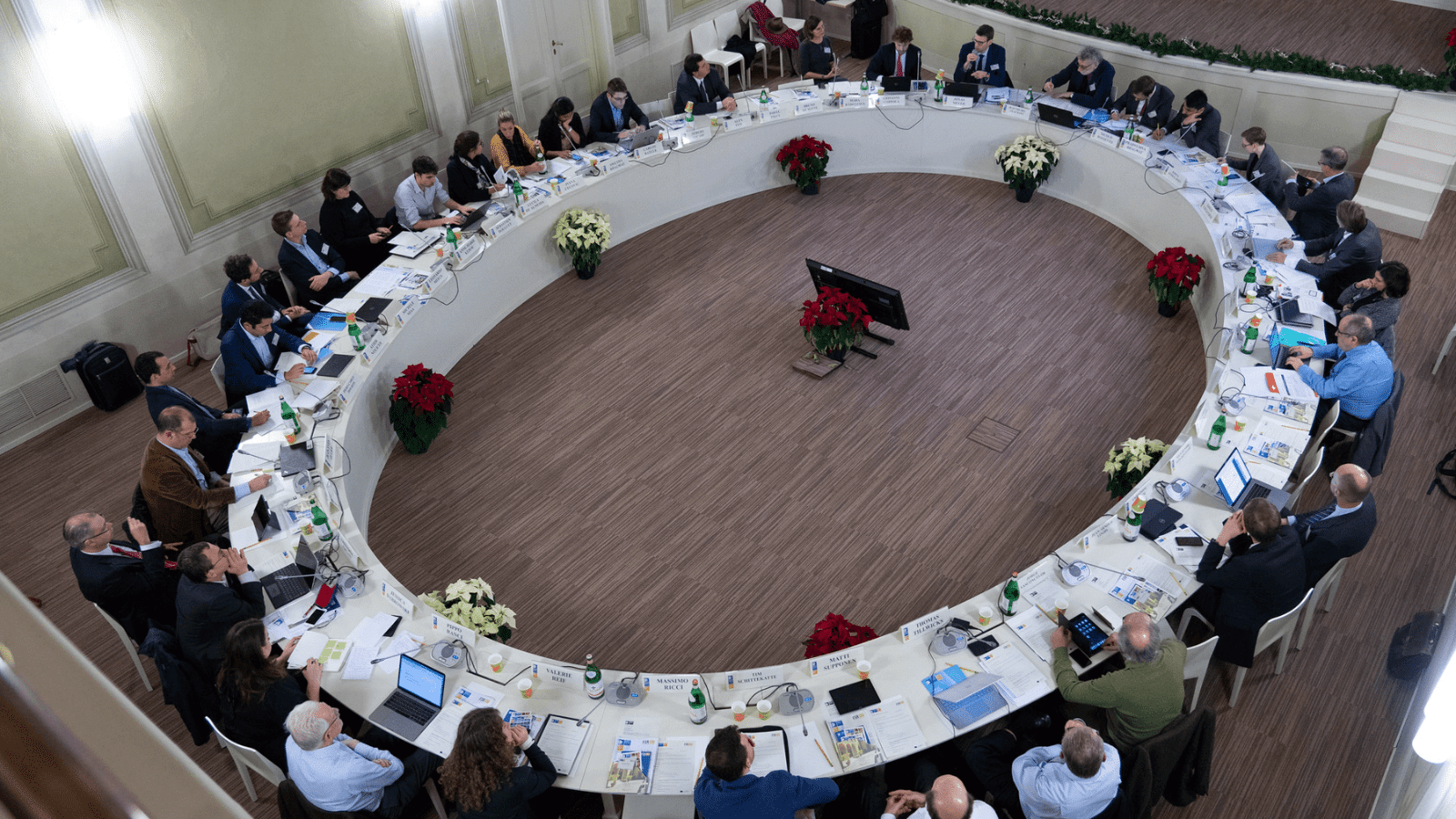
A wide range of events for open discussion and knowledge exchange. In Florence, Brussels, worldwide and online.

More

Discover more initiatives, broader research, and featured reports.

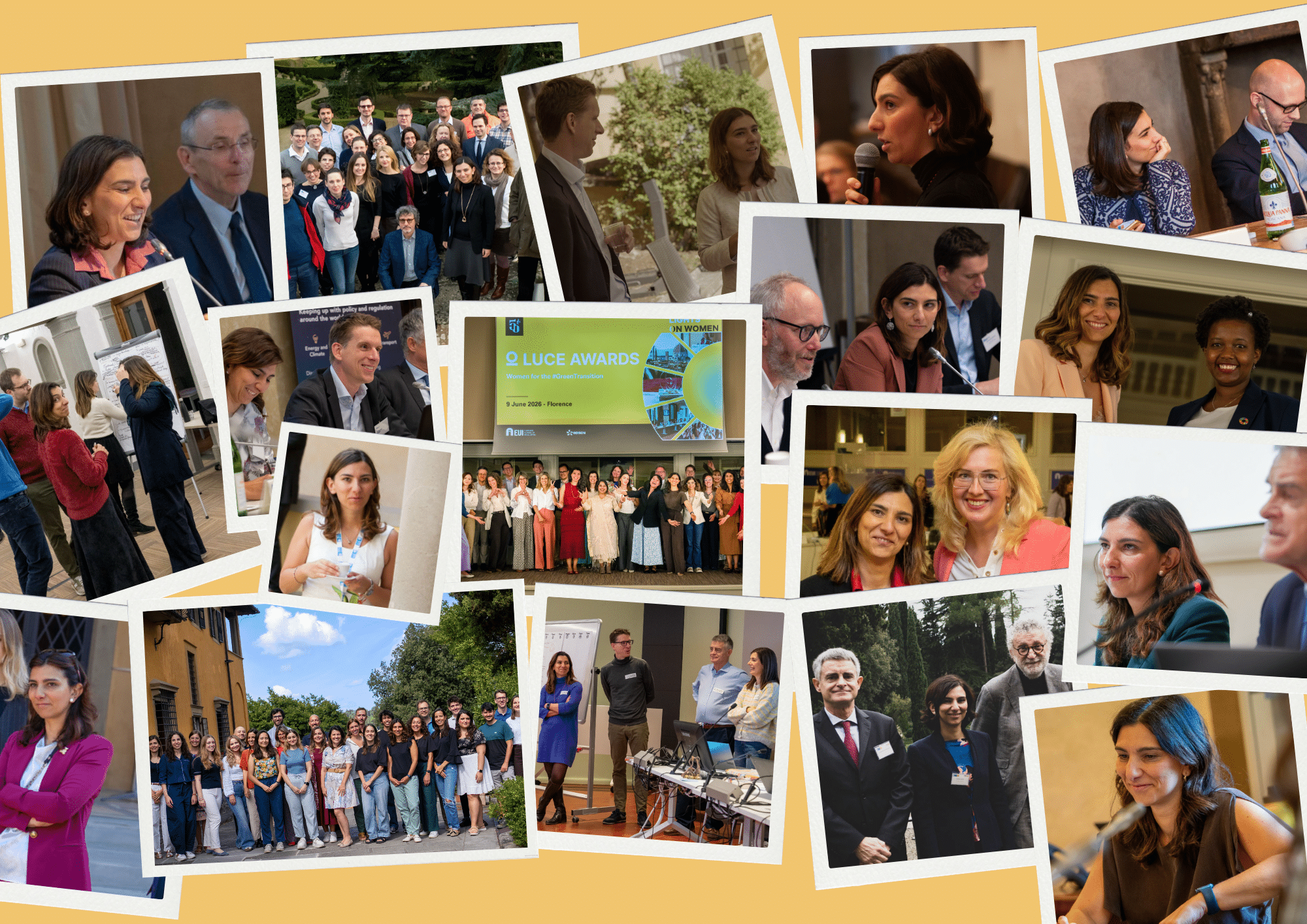
Lights on Women

The Lights on Women initiative promotes, trains and advocates for women in energy, climate and sustainability, boosting their visibility, representation and careers.

Discover more
Publications

SEP Expert Group Report: A Look Into the IoT Future of SEP Licensing

IoT and SEP banner

FSR – Comms & Media researchers, Niccolò Galli and Igor Nikolic, have published an article in Competition Policy International exploring the challenges of Standard Essential Patent (SEP) licensing in the Internet of Things (IoT) market and the three areas where the European Commission’s SEP Expert Group “strongly recommends departing from traditional competition law prohibitions of collective price-fixing and industry coordination” including, Value Chain Licensing, Standard’s Price Transparency, and Joint Licensing Actions for the IoT.

The paper argues for more horizontal and vertical SEP licensing coordination and a balanced solution that “will acknowledge the pro-competitive potential of collective industry negotiations in the SEP licensing environment”, whilst guarding “against collusive threats and buyers’ cartels that may harm further innovation.”

Read the article.

Don’t miss any update on this topic

Sign up for free and access the latest publications and insights

Sign up
Back to top