


Regulatory Futures Workshop

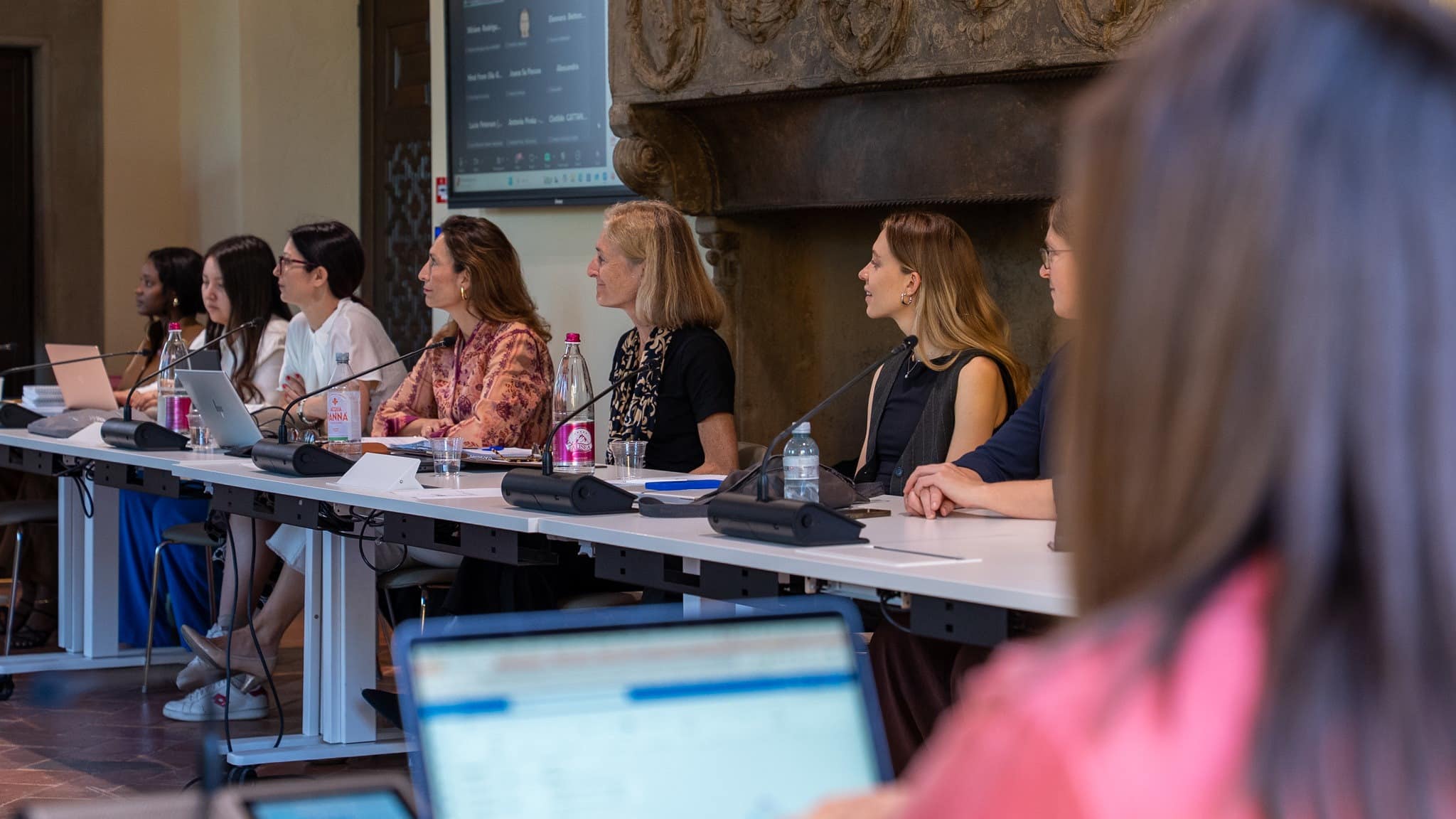
On 9-10 June 2017, Jean-Michel Glachant, Director of the Florence School of Regulation, attended the Regulatory Futures Workshop at Columbia University School of Law in New York. With the current major wave of changes in the energy sector, the overarching objective of this workshop was to share experiences and identify common understandings, insights and conclusions with participants from around the world. Throughout the discussion, references to the different national experiences aided in examining which changes to policy, regulation and markets can best address current challenges and drive desired outcomes.
Day one of the workshop focused on identifying the common issues and themes with an understanding of the context of the different regulatory frameworks. Discussion topics included the integration of renewables with conventional generation into the grid, the role of system planning and regulation versus the role of markets as well as how to manage peak load and increasing energy efficiency. On day two, the primary objectives were to share and compare regulatory responses to the energy system changes and to foster a common understanding of foundational elements of the future design of regulation.
During the conference, Jean-Michel met with Michael Picker, President of the California Public Utilities Commission (CPUC) and Scott Weiner, the deputy for market and innovation at the New York Public Service Commission to discuss the roles the different levels of government play in managing the current changes in the energy system (decarbonisation, decentralisation and digitalisation ).
Don’t miss any update on this topic
Sign up for free and access the latest publications and insights
More on the topic