

Pierpaolo Settembri, ‘If I can make it there, I’ll make it anywhere’ – Online platforms meet the European Union
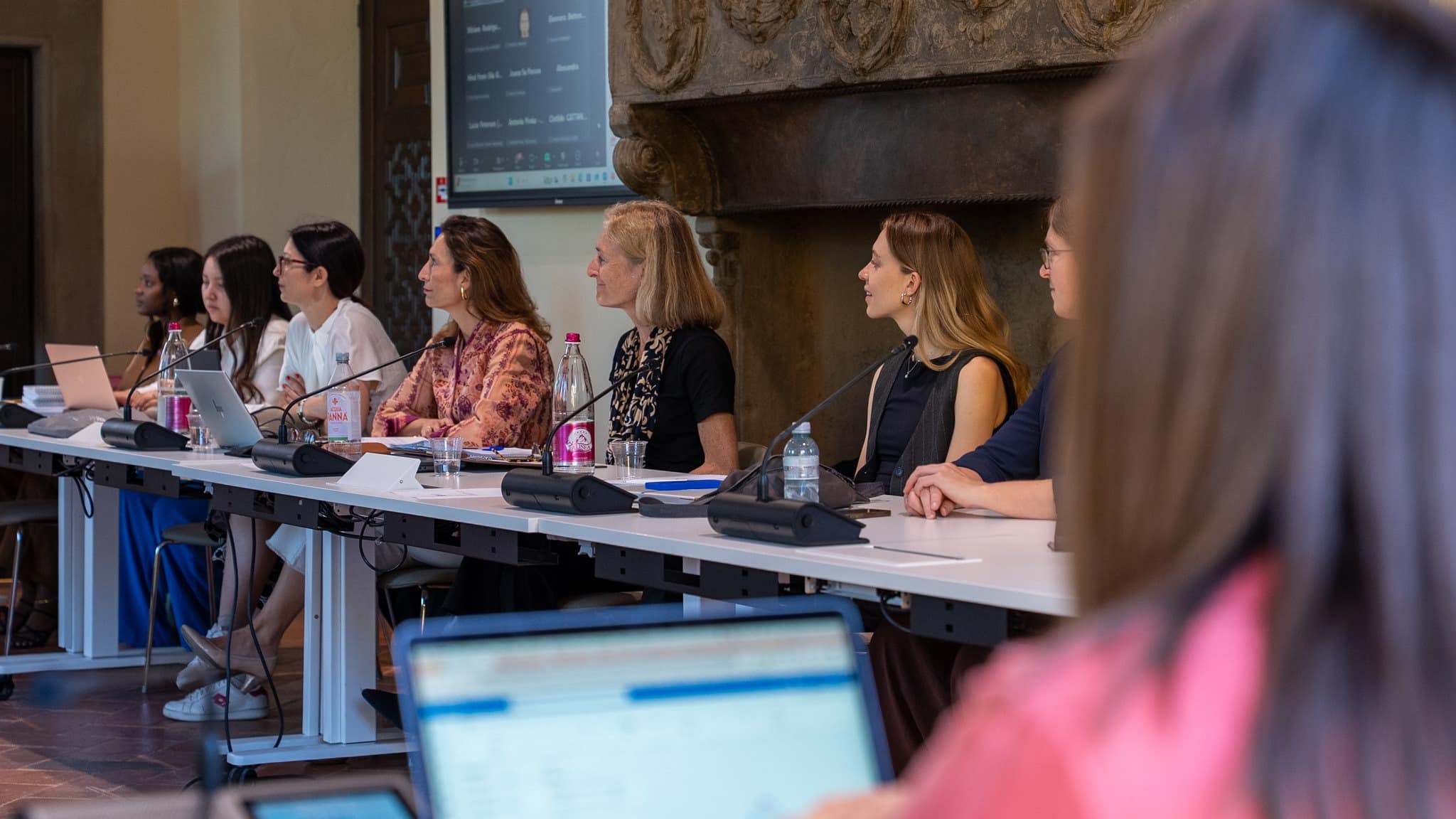
The working paper ‘If I can make it there, I’ll make it anywhere’ – Online platforms meet the European Union‘ is authored by Pierpaolo Settembri and based on his keynote speech during the 7th Conference on the Regulation of Infrastructures which took place in Fiesole, Italy on 21 June 2018. The Conference on the Regulation of Infrastructures is the annual event that brings together all the Areas of the Florence School of Regulation. The 8th edition, taking place on 20-21 June 2019 in Fiesole, aims to identify the key challenges of digitalisation for traditional network industries; discover various regulatory approaches to platforms and determine benefit scenarios for consumers and to the platforms itself.
ABSTRACT
For many years, the European Union (EU) has treated online platforms like any other business, using existing policy tools and regulatory approaches whenever it interacted with them. More recently, but especially during the Juncker Commission (2014-2019), this position has evolved significantly. In fact, the EU should be credited for being the first political system to have developed legislation exclusively targeting online platforms. This transition has been incremental and is far from concluded. But as the emergence of online platforms has called for dedicated regulation, it has also exposed the limits of the EU to deal with them, especially in terms of competence. While neither the EU nor its Member States have, on their own, the necessary tools and resources to regulate online platforms effectively and holistically, they cannot avoid working together if they are to preserve the integrity of the single market, one of Europe’s greatest assets.
ABOUT THE AUTHOR
Pierpaolo Settembri is an EU official currently working at the European Commission. He writes in a personal capacity and his opinions do not necessarily reflect the position of the European Commission.
Read the full working paper.
Don’t miss any update on this topic
Sign up for free and access the latest publications and insights
More on the topic