


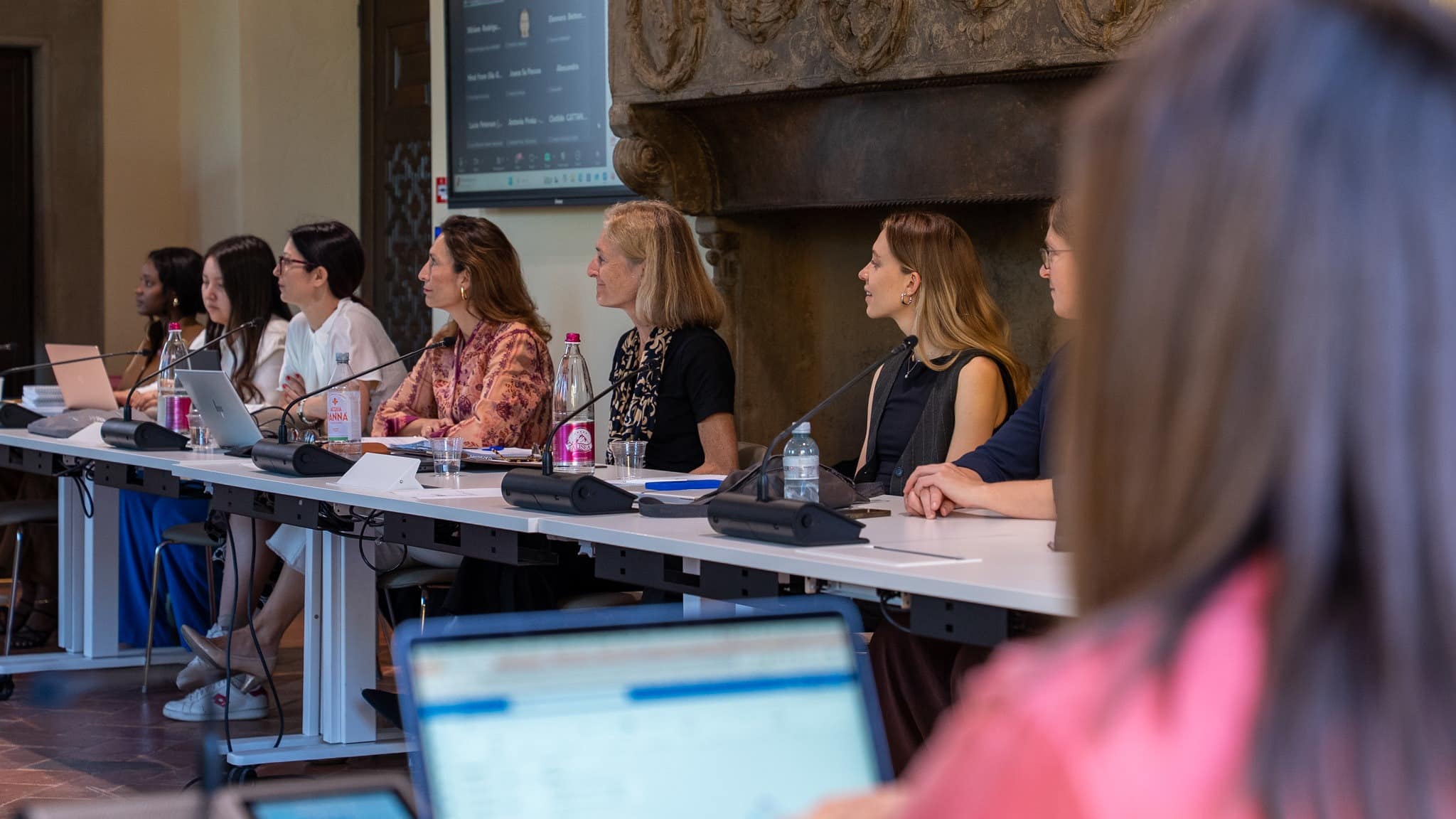
Research

The School carries out applied research with the purpose of developing economically, legally, and socially-sound regulation and policy, using a multidisciplinary approach.

Reflections on climate resilient tourism : evidence for the EU ETS-2 and voluntary carbon markets

The chapter discusses transition risk for tourism, addressing its relation with the Environmental Kuznets Curve and overtourism. Transition risk emerges when an economic model...

Authors
Matteo Mazzarano Simone Borghesi GG
Article
Research on the impact of urban rail transit on the financing constraints of enterprises from the perspective of sustainability
Discover more
Article
SPS and TBT measures through the lens of bilateral and GVC-related regulatory distance
Discover more

Executive Education

We offer different types of training: Online, Residential, Blended and Tailor-made courses in all levels of knowledge.

Policy Events

A wide range of events for open discussion and knowledge exchange. In Florence, Brussels, worldwide and online.

More

Discover more initiatives, broader research, and featured reports.

Lights on Women

The Lights on Women initiative promotes, trains and advocates for women in energy, climate and sustainability, boosting their visibility, representation and careers.

Discover more
News

New paper by Simone Borghesi published in Energy Economics

image news climate 6 nov18
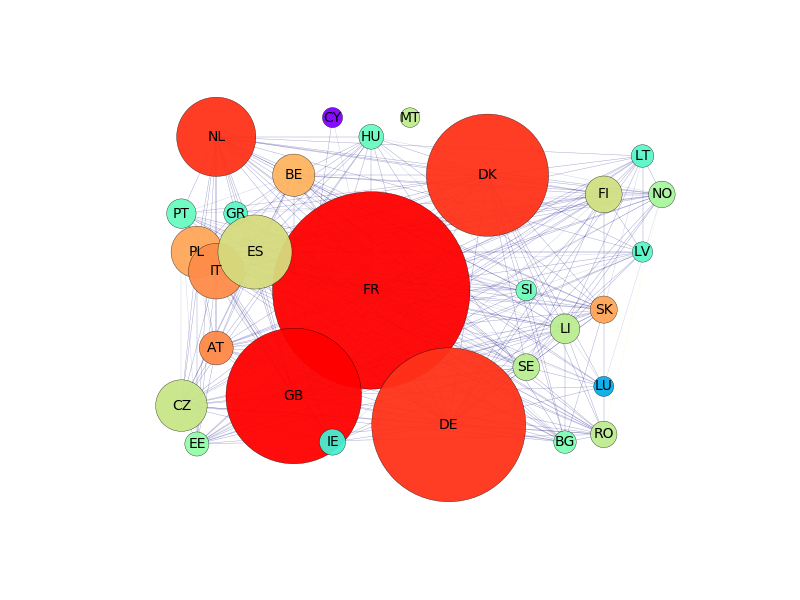
An article entitled “EU ETS Facets in the Net: Structure and Evolution of the EU ETS Network”, by Simone Borghesi (FSR Climate) and Andrea Flori (Polytechnic of Milan) has been recently published in Energy Economics, 75, 602-635.
 
The paper uses Network Theory’s tools to describe how the structure of the system has evolved over time and to identify which countries have been in the core or in the periphery of the network during the first two phases of the EU ETS. 
It shows that Person Holding Accounts (PHAs) have played a prominent role in the transaction of permits, heavily influencing the configuration of the system, and that some account holders strategically opened accounts in the more central registries, thus reinforcing their centrality in the network. 
 

Don’t miss any update on this topic

Sign up for free and access the latest publications and insights

Sign up
Back to top