


Research

The School carries out applied research with the purpose of developing economically, legally, and socially-sound regulation and policy, using a multidisciplinary approach.

Independent aggregation in the nordic day-ahead market : what is the welfare impact of socializing supplier compensation payments?

This paper addresses the participation of independent aggregators (IAs) for demand response (DR) in European electricity markets. An IA is an aggregator trading the...

Authors
Tim Schittekatte KB ZB
Article
Environmental insurance and resilience in the age of natural disasters
Discover more
Policy Paper
Evaluating models of CO2 transport governance : from state-led to market-based approaches
Discover more

Executive Education

We offer different types of training: Online, Residential, Blended and Tailor-made courses in all levels of knowledge.

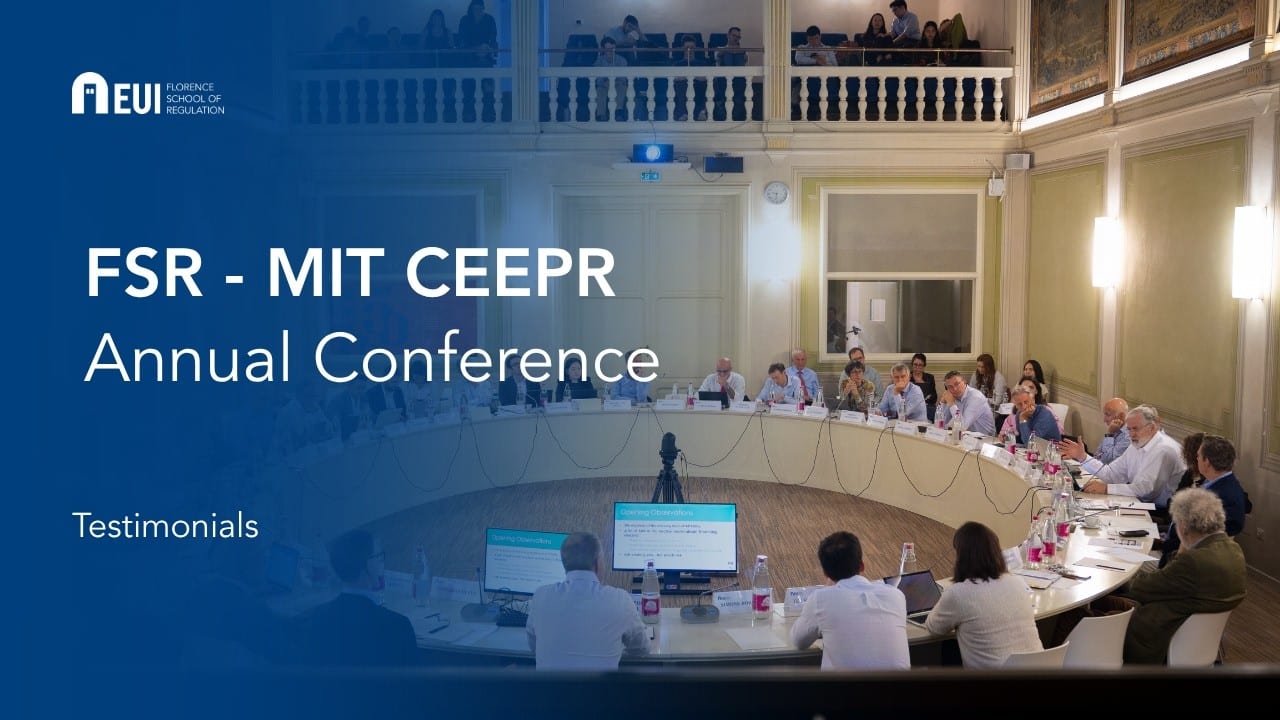
Policy Events

A wide range of events for open discussion and knowledge exchange. In Florence, Brussels, worldwide and online.

More

Discover more initiatives, broader research, and featured reports.

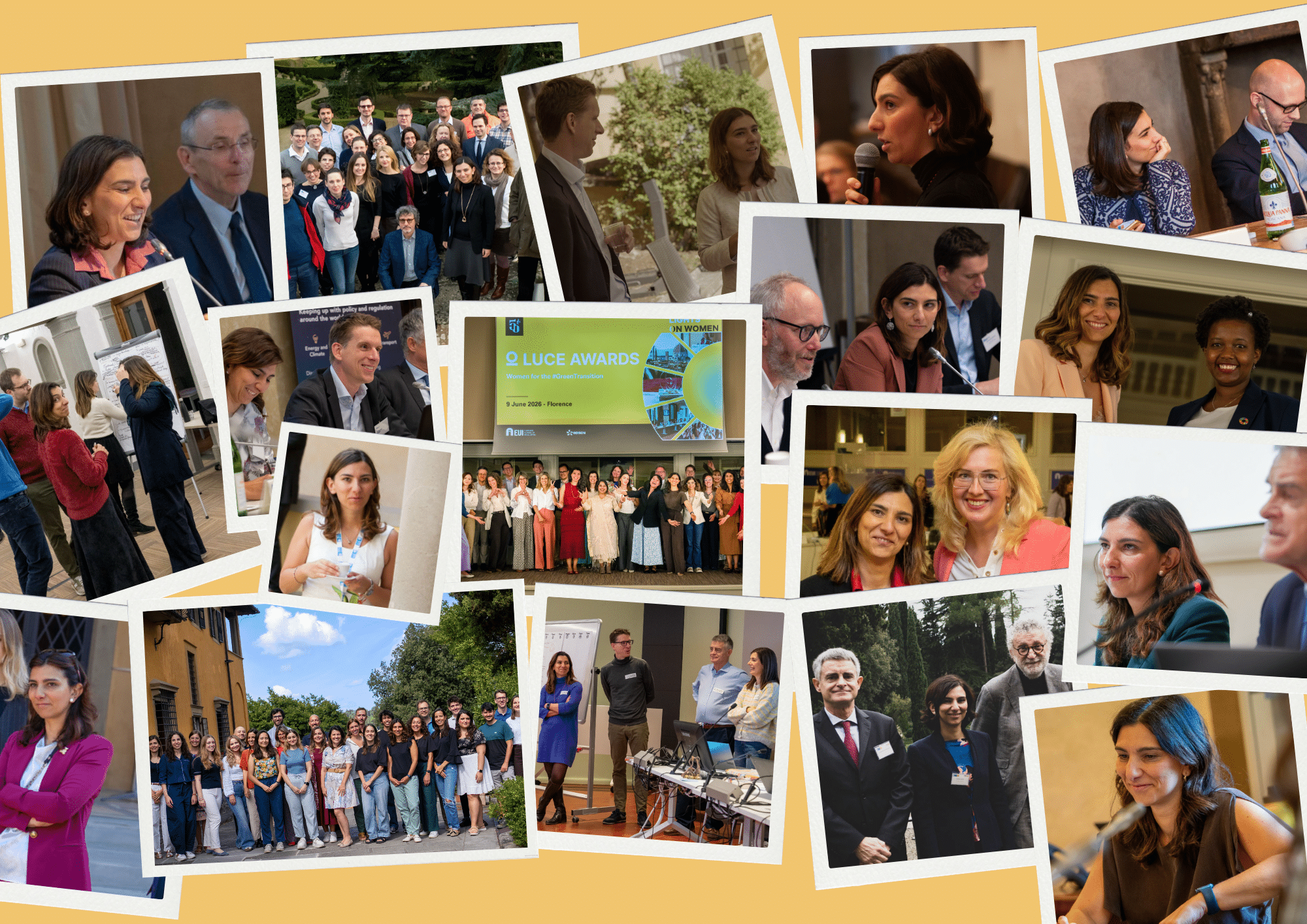
Lights on Women

The Lights on Women initiative promotes, trains and advocates for women in energy, climate and sustainability, boosting their visibility, representation and careers.

Discover more
News

Just published! New FSR Policy Briefs on Digitalisation and Network Tariff Design
Find our latest publications online:

The Digital World Knocks at Electricity’s Door: Six Building Blocks to Understand Why

By Jean-Michel Glachant and Nicolò Rossetto (FSR)

Digitalisation is invading the electricity sector. How will it play out? Six building blocks, grouped into three categories, can provide the analytical framework required to navigate through the emerging new digital world.

Download the policy brief 


Limits of Traditional Distribution Network Tariff Design and Options to Move Beyond

By Tim Schittekatte and Leonardo Meeus (FSR)

Technological breakthroughs at the consumer-side are challenging the use of volumetric network charges. However, more cost-reflective tariffs will not necessarily be deemed fair. 

Based on the ‘Least- Cost Distribution Network Tariff Design in Theory and Practice’’. Details about the assumptions, data, and formulation of the mathematical model can be found in the research paper. 

Download the policy brief 

Don’t miss any update on this topic

Sign up for free and access the latest publications and insights
Sign up
Back to top