

Research

The School carries out applied research with the purpose of developing economically, legally, and socially-sound regulation and policy, using a multidisciplinary approach.

Independent aggregation in the nordic day-ahead market : what is the welfare impact of socializing supplier compensation payments?

This paper addresses the participation of independent aggregators (IAs) for demand response (DR) in European electricity markets. An IA is an aggregator trading the...

Authors
Tim Schittekatte KB ZB
Article
Environmental insurance and resilience in the age of natural disasters
Discover more
Policy Paper
Evaluating models of CO2 transport governance : from state-led to market-based approaches
Discover more

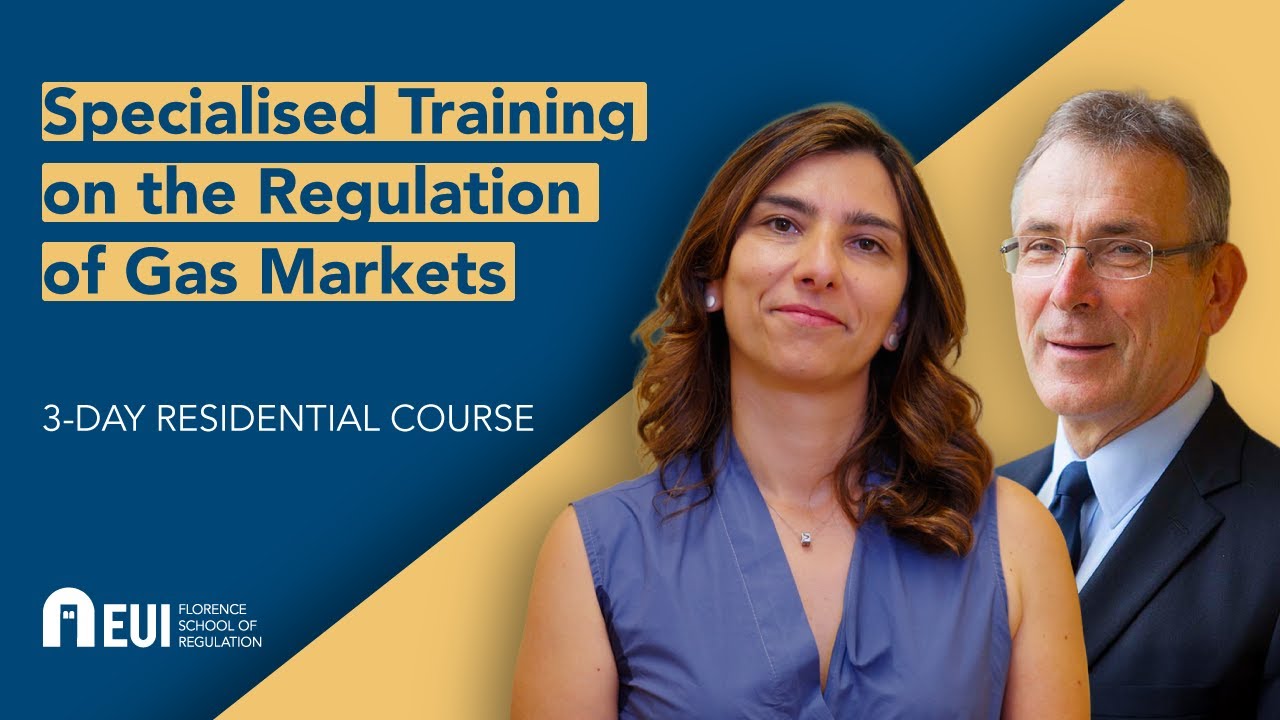
Executive Education

We offer different types of training: Online, Residential, Blended and Tailor-made courses in all levels of knowledge.

Policy Events

A wide range of events for open discussion and knowledge exchange. In Florence, Brussels, worldwide and online.

More

Discover more initiatives, broader research, and featured reports.

Lights on Women

The Lights on Women initiative promotes, trains and advocates for women in energy, climate and sustainability, boosting their visibility, representation and careers.

Discover more
Event Highlights

FSR Policy Workshop | Tariff Structures for the Internal Gas Market

Alberto Pototschnig

Today the FSR hosts one of its regulatory policy workshops, belonging to the series directed by Alberto Pototschnig, FSR Advisor. Today’s workshop focuses on Tariff Structures for the Internal Gas Market.

In the revised and updated Gas Target Model released by ACER in January 2015, Member States whose gas markets do not meet specific quality standards are required to undertake some structural reforms, such as the merger of adjacent markets, balancing zones and respective entry-exit system.

As a part of the FSR Policy Workshop Series, today’s workshop on “Tariff Structures for the Internal Gas Market” will analyse the possible implications of this merging and evaluate which transmission charging system would be the most appropriate.

  • Session I will aim to find the most suitable approach to gas transmission tariffs in case of wider entry-exit areas;
  • Session II will investigate the charging and revenue recovery and the related implications.

More details here

Download the programme


Watch the workshop Highlights!

Don’t miss any update on this topic

Sign up for free and access the latest publications and insights

Sign up
Back to top