





Research

The School carries out applied research with the purpose of developing economically, legally, and socially-sound regulation and policy, using a multidisciplinary approach.

A study on the relevance of consumer rights and protections in the context of innovative energy-related services

Building on technological development, changes in consumer preferences, and an evolving legal framework, old and new market players are providing consumers (i.e., residential customers)...

Authors
Working Paper
Cross-border solidarity versus national capacity markets : risk of inadequate capacity procurement
Discover more
Contribution to book
Reflections on climate resilient tourism : evidence for the EU ETS-2 and voluntary carbon markets
Discover more

Executive Education

We offer different types of training: Online, Residential, Blended and Tailor-made courses in all levels of knowledge.

Policy Events

A wide range of events for open discussion and knowledge exchange. In Florence, Brussels, worldwide and online.

More

Discover more initiatives, broader research, and featured reports.

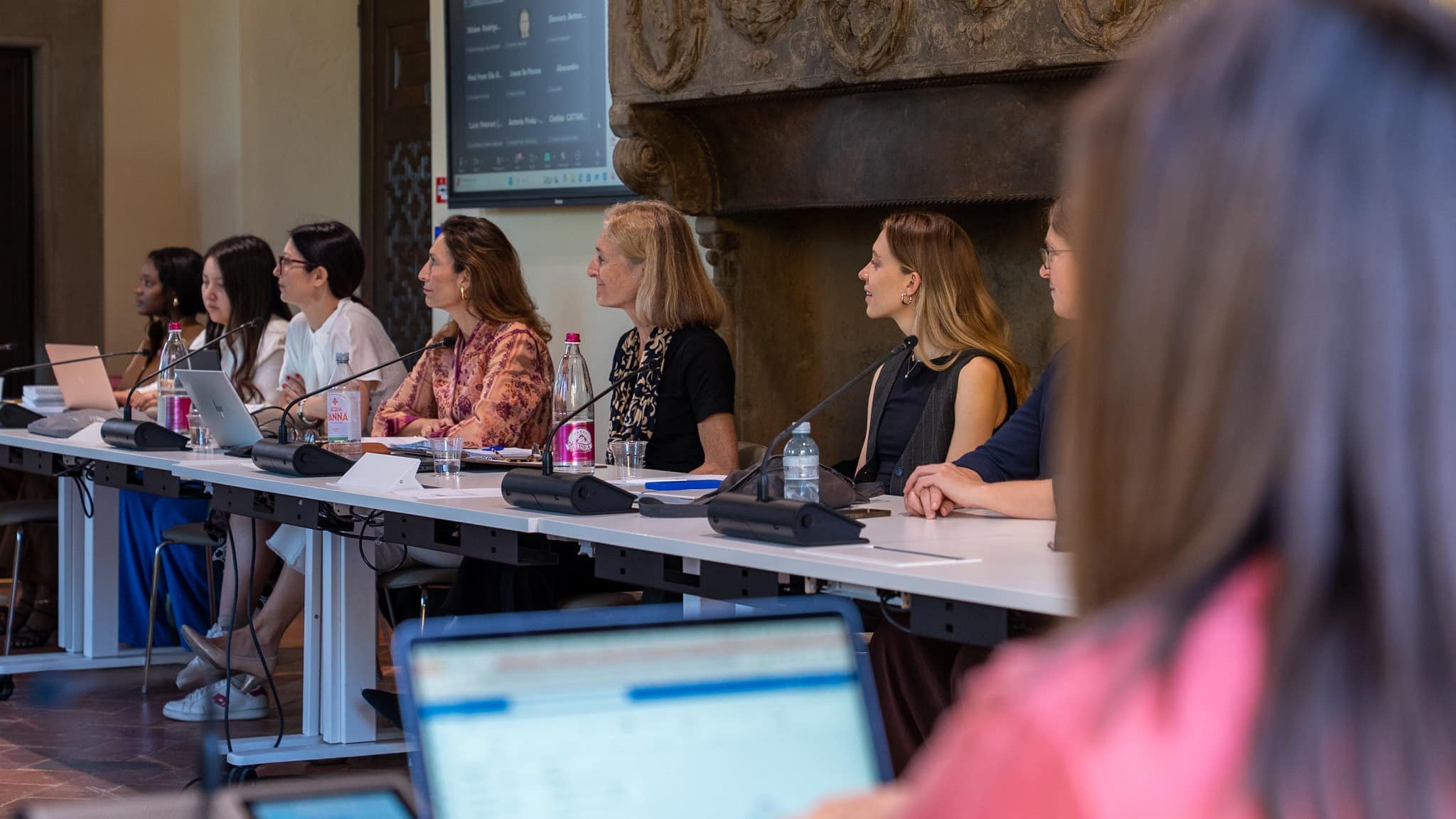
Lights on Women

The Lights on Women initiative promotes, trains and advocates for women in energy, climate and sustainability, boosting their visibility, representation and careers.

Discover more
News

Field and Lab Experiments in Climate Policy

Max Weber Lab experiments for Climate Policy

This technical workshop, organised by Max Weber Programme in cooperation with FSR Climate, will focus on the analysis of various behavioural issues in climate change policy. The event will take place on Tuesday, 10 May at the Emeroteca, Badia Fiesolana from 14:00 – 18:45. 

In Autumn 2015, two leading figures in the field of climate change economics and policy, Prof. Martin Weitzman and Lord Nicholas Stern delivered public lectures at the EUI. Both stressed the
uniqueness and the unprecedented scale of the challenge posed by climate change to humanity. 

The recent COP21 conference in Paris was a long waited step towards tackling climate change. However, many voices raised the idea that such an agreement will be difficult to implement  due to its lack of real binding commitments by the involved countries. What are the prospects for effectively implementing such an agreement?

The event will discuss the application of experimental methods and research techniques, with a special focus on how they might be used to guide and better understand climate policy.

Read more and register from the Event web page.

Don’t miss any update on this topic

Sign up for free and access the latest publications and insights

Sign up
Back to top