


The Value of Energy Storage

Energy Storage and Storage facilities play a crucial role in the EU energy system contributing to the seasonal flexibility of the EU energy market and acting as a collateral against potential disruptions in the supply of energy. However, the value of storage has been challenged in recent years. According to the European Commission “Follow-up study to the LNG and storage strategy” this trend is a result of, inter alia, gas consumption’s weakening, narrowing summer/winter spread, converging energy prices across Europe, greater pipeline flexibility and hub liquidity. At the same time, many people agree that storage is becoming more and more important with the increase of intermittent energy from renewable sources in the EU energy mix.
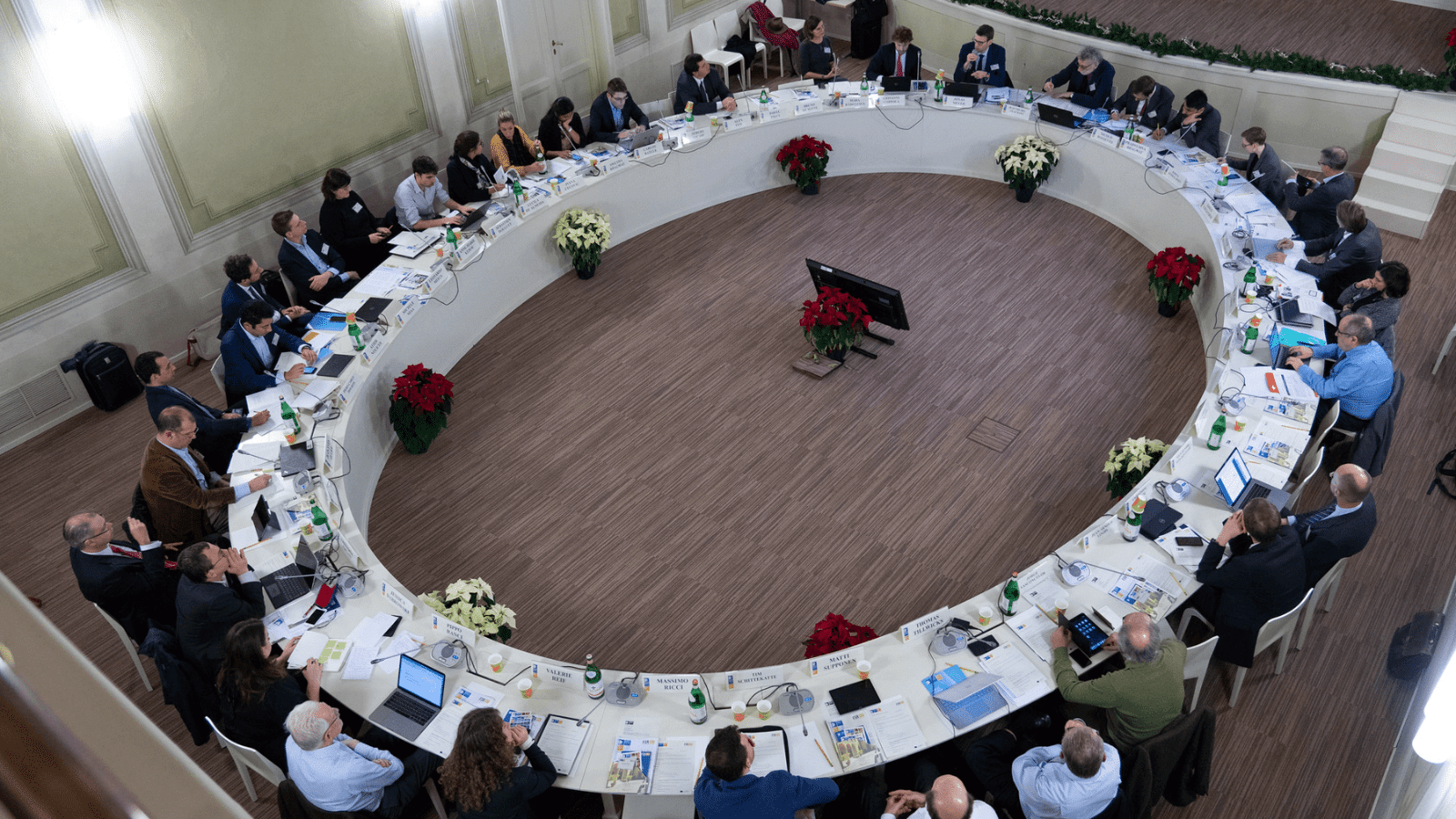
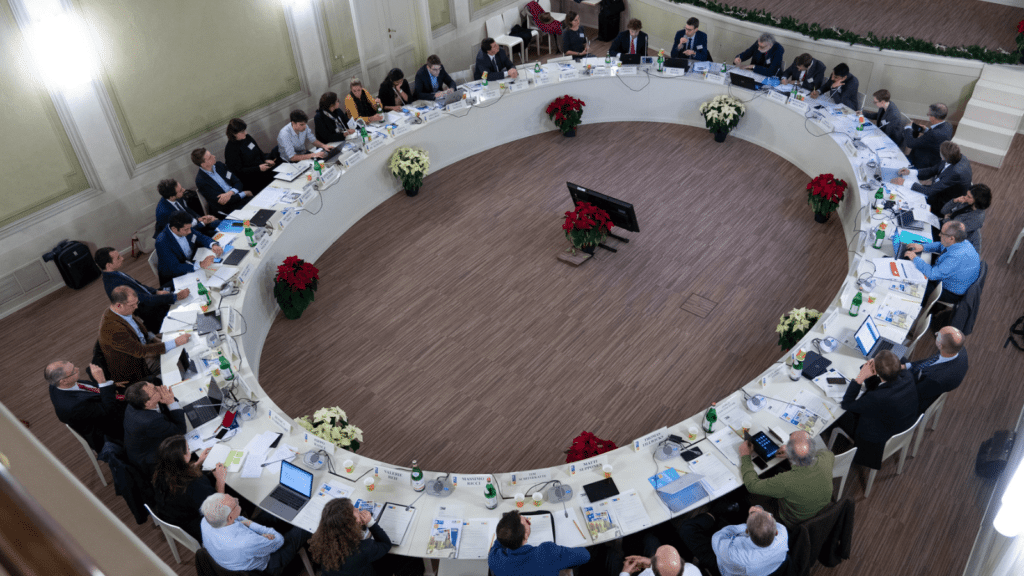
The workshop is divided into two sessions.
The first session deals with the consequences of changing market conditions on the storage market and the adequate market design to flexible resources in order to fully capitalise on their potential.
The second session is devoted to the regulatory options that could be designed to provide the cleanest back-up to cope with the increasing variation of gas flows that the rising share of RES in the energy mix will trigger in the future low carbon energy system. The event will conclude by issuing policy recommendations.
Chairs:
- Andris Piebalgs | Florence School of Regulation / RSCAS / EUI Lubor Veleba | Gas Infrastructure Europe
- Cécile Prévieu | Gas Infrastructure Europe
- Lubor Veleba | Gas Infrastructure Europe
Don’t miss any update on our events
Sign up for free and access the latest events from our community.
More on the topic