


The EU vision on sustainability in agriculture

Join this online debate where experts will discuss the EU’s strategy to reduce harmful chemicals in agriculture and its implications for farmers, trade, and sustainability.
Learn more with our online course on the EU vision for agriculture and food.
On 19 February 2025, the European Commission released its Vision on Agriculture and Food, outlining its strategy for the future use of chemicals such as pesticides and fertilisers. The strategy includes aligning production standards for imported products with EU environmental and animal welfare values. The Commission proposes banning the most hazardous substances—already prohibited within the EU—from entering the internal market via imports. An Impact Assessment will be launched in 2025 to evaluate the effects on competitiveness and international relations, with legal proposals to follow if necessary. The EU is also working to reduce harmful substances by promoting the use of biological and low-risk alternatives and establishing a fast-track approval process for such products. The Commission further plans to address the export of hazardous chemicals, including pesticides, banned within the EU.
This webinar will bring together experts to examine the EU’s agro-chemical strategy from scientific, practical, and policy perspectives. Speakers will explore the implications for European farmers, industry stakeholders, and global trade relations. The discussion will address how these measures can shape future agricultural and food systems and their broader environmental impact. Organised as an online event, the webinar will feature expert presentations followed by a Q&A session. It is open to scholars, professionals, and experts in agriculture, environmental policy, and international trade, particularly those interested in agro-chemical regulation and sustainability.
Speakers
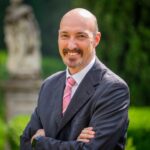
Falk Hemsing | DG AGRI
Robert Finger | ETH
Nathalie Jas | INRAE
Kris AG Wyckhuys | University of Queensland
Alice O’Donovan | CELCAA
Eric Gall | Organics Europe
Stefano Torriani | FiBL
Moderator
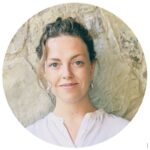
Lea Heinrich | FSR Climate
Chair
Fabio G. Santeramo | EUI & University of Foggia
Presentations
Don’t miss any update on our events
Sign up for free and access the latest events from our community.
More on the topic