



How to maximise cost-effectiveness in the energy transition?

A presentation and discussion on the latest FSR study on the cost-effectiveness of decarbonisation efforts.
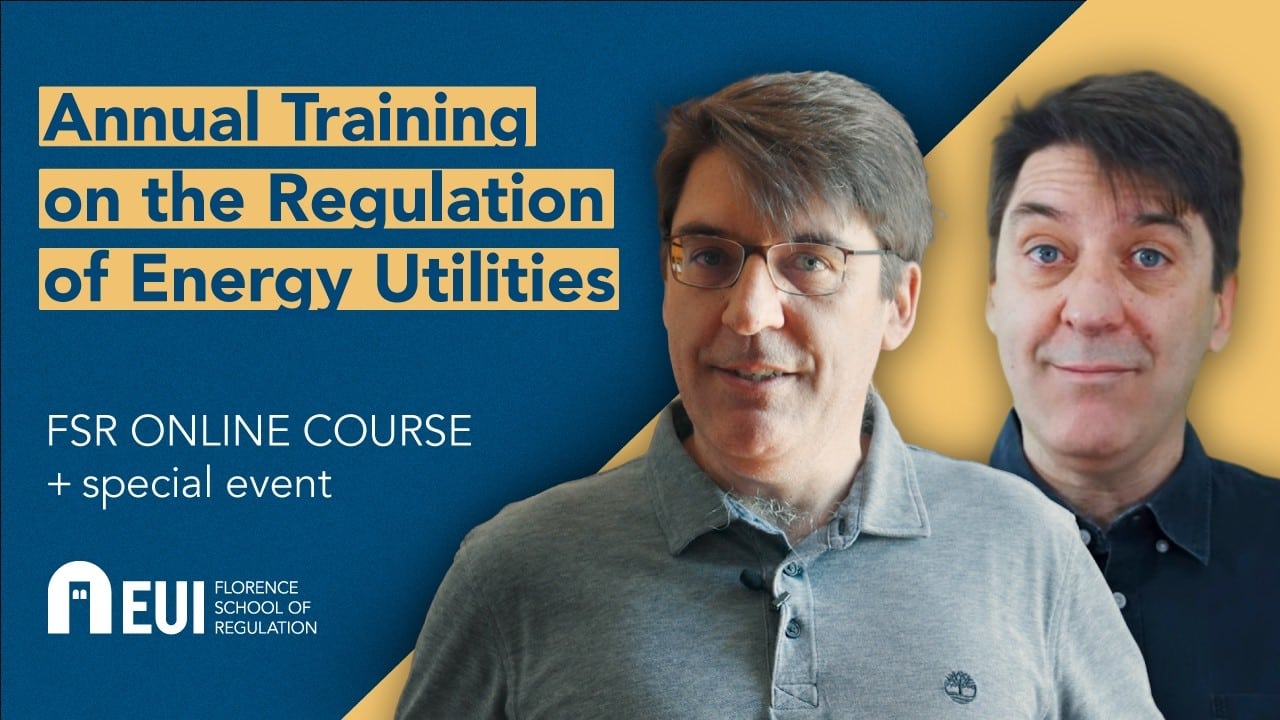
Christopher Jones and James Kneebone of the Florence School of Regulation (FSR) will be joined by Ilaria Conti, Head of FSR Gas for a discussion on cost-effective decarbonisation of the energy sector, with a focus on the recently published ‘Florence School of Regulation: Cost-effective decarbonisation study 2022’.
This study, which represents a short follow-up to the original and more comprehensive cost effectiveness study, aims to take stock and frame developments in the past months in the context of EU energy policy, and to reassert some of the key messages from the 2020 publication that remain relevant. The key areas of focus for the study are on renewable energy metrics (capacity and cost), hydrogen costs (green, turquoise, blue), as well as the influence of market factors on cost-effectiveness of gas switching, namely the European carbon price (ETS).
The event will also elaborate on some of the policy-related conclusions that can be drawn from the findings, in the context of recent legislative developments in this area. A Q&A with the audience will follow.
Read more
Policy implications of 2022 Cost-effective Decarbonisation Study
Don’t miss any update on our events
Sign up for free and access the latest events from our community.
Speakers
More on the topic