


Global Observatory on Peer-to-Peer, Community Self-Consumption and Transactive Energy Models

Within the framework of the International Energy Agency, FSR is hosting the second meeting of the Global Observatory on Peer-to-Peer (P2P), Community Self-Consumption (CSC) and Transactive Energy (TE) Models.
Decarbonisation, decentralisation and digitalisation are reshaping the way electricity is produced, traded and consumed.
New energy models, not even thinkable a decade ago, are emerging around the world. Electricity consumers, for example, may now benefit from the possibility to produce, individually or collectively, the energy they consume and to trade any surplus with their peers. Opportunities like this represent a major change from the old world where consumers were, to a large extent, passive users of the electricity system, either from a physical and a commercial point of view.
Launched in September 2019, the Global Observatory is a three-year collaborative research project under the IEA Users-Centred Energy Systems Technical Collaboration Programme (UsersTCP). It represents a forum for international collaboration to understand the policy, regulatory, social and technological conditions necessary to support the wider deployment of peer-to-peer, community self-consumption and transactive energy models.
The conference will last two days:
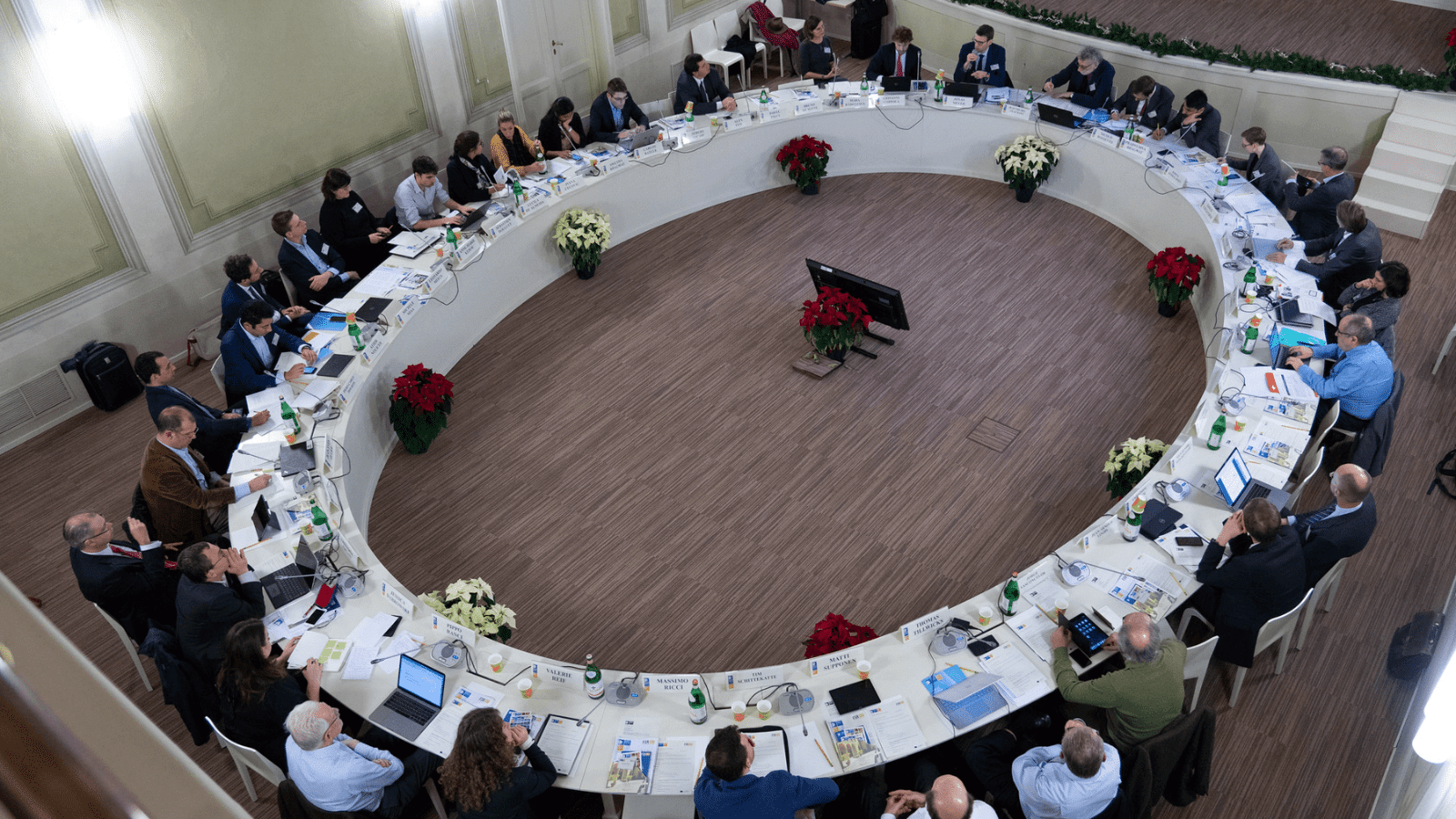
On the first day, open to the public, academics, industry practitioners and representatives of the institutions will meet and discuss the definitions of these new energy models and the opportunities and difficulties that they raise. A few concrete cases of P2P, CSC and TE energy models will be presented and will be used to ignite the debate.
During the second day, researchers involved in the Global Observatory will meet again, present the work conducted so far in the various Observatory subtasks and discuss the steps to take in the following six months.
Participation to the first day is open to everybody but subject to registration and seats availability. Participation to the second day is limited to researchers who are part of the Global Observatory.
 Join the discussion online using the hashtag #P2PEnergy
The conference is financially supported by the Foreign & Commonwealth Office of the United Kingdom.

Don’t miss any update on our events
Sign up for free and access the latest events from our community.
More on the topic