


Design the electricity market(s) of the future | Conference Highlights
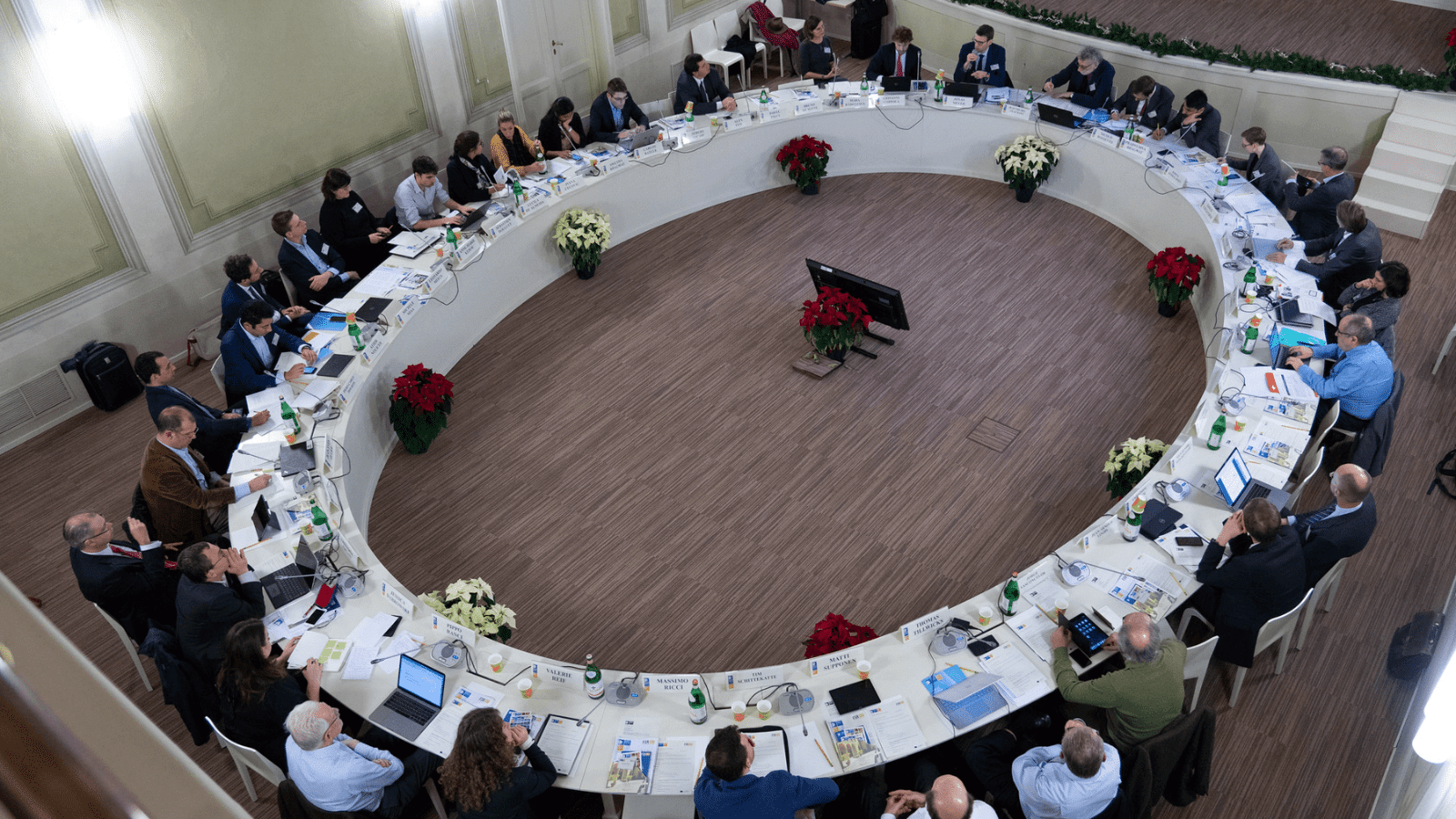
The European electricity system is undergoing a profound change due to its transition to a decarbonized power system. Decarbonization along with digitalization and decentralisation is expected to bring forth several challenges in the future. On 7 June 2017 in Brussels, the Florence School of Regulation, in partnership with EURELECTRIC, hosted an event to discuss innovative visions on the electricity market design of the future. The Design the Electricity Market(s) of the Future conference successfully brought together the expertise and experience of academia and practice to understand and address future electricity market challenges. The participants consisted of Energy companies, consumers, policy makers, academics and energy regulators.
The key conclusion from the discussions at the conference was that electricity markets must be robust in adapting to foreseen as well as unforeseen challenges. The unforeseen challenges may come from disruptive innovation that may lead to a paradigm shift in the way the electricity system functions. The stakeholders agreed on the need to greater consumer engagement, fostering flexibility and the breakthrough that turning reliability into a private good could represent. The most important factor that the participants agree on is that we must adopt a holistic approach to market reform to avoid unintended consequences and side-effects.
Don’t miss any update on this topic
Sign up for free and access the latest publications and insights