




Can Renewable Gas Contribute to the EU Decarbonisation Efforts?
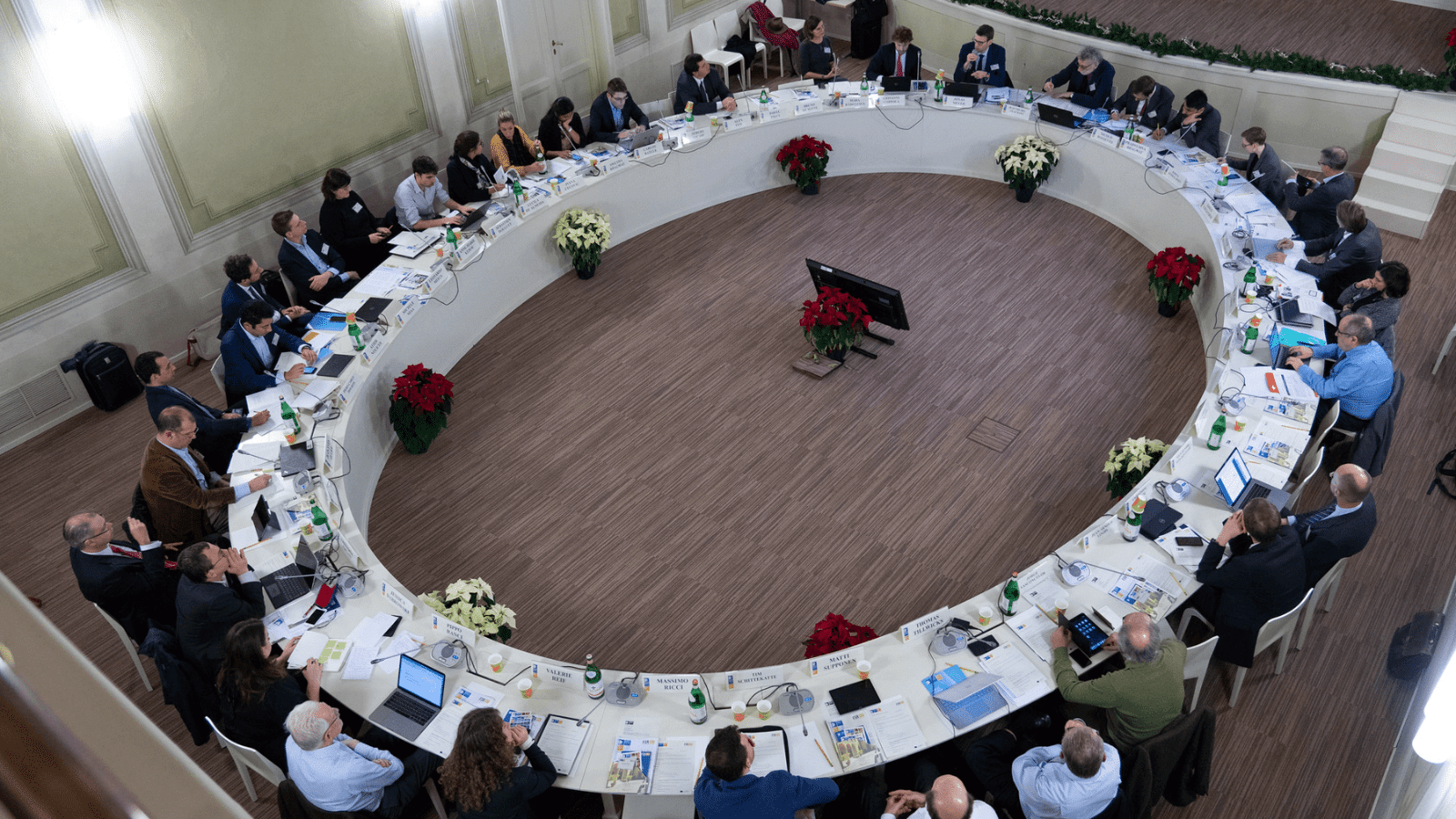
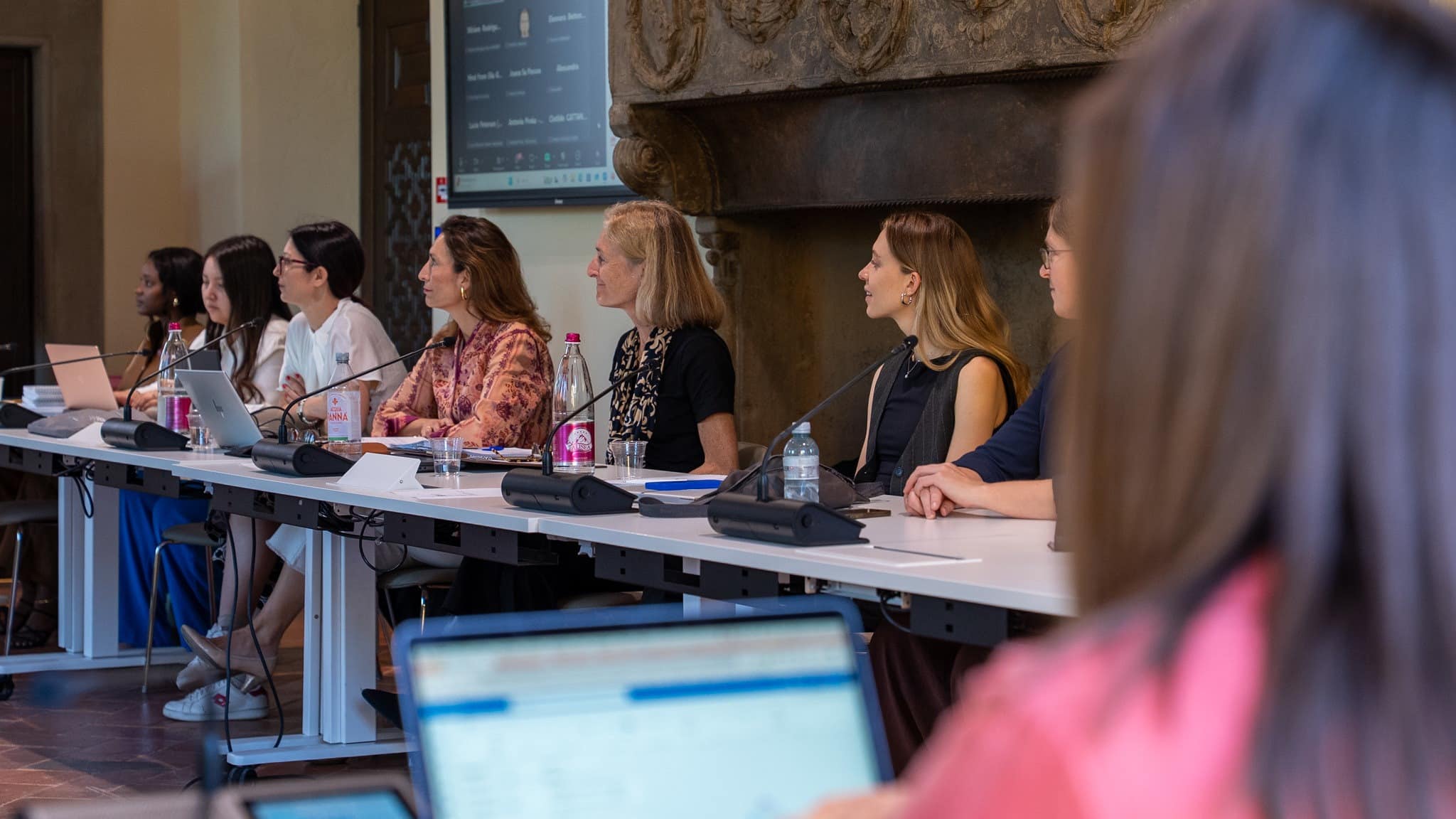
Last Monday, the 9th of April 2018, the Florence School of Regulation organised a Policy Workshop “The Renewable Gas Complex and the European Path to Decarbonisation”.
The future of gas in the decarbonised EU energy system and the questions whether gas is a transitional fuel or should be a destination fuel are now widely-debated not only among the EU policy-makers in Brussels, but also in the EU capitals and major European energy companies.
As FSR has been traditionally acting as a platform to facilitate the discussion between different stakeholders, we invited a broad range of speakers including academics from the University of Groningen and the University College London, the officials from the European Commission, ENTSOG and ACER, a representative of the German government and representatives of major European energy companies.
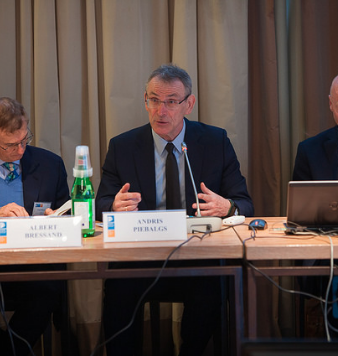
Jean-Michel Glachant, the FSR Director opened the workshop, followed by an introduction by Andris Piebalgs (formed Energy Commissioner, FSR Energy) and Albert Bressand (UCL), who jointly chaired the meeting.
The event was divided into 3 sessions. In the first, we focused on the learning curve characteristics to different types of renewable gas (biogas, biomethane, syngas and hydrogen) and the role of the existing gas infrastructure. In the second and the third sessions, we addressed the question of how to accelerate the penetration of the renewable gas in the EU energy mix through policy and regulatory intervention in the short-, medium- and the long-term.
The workshop wrapped up with the following conclusions:
- even with a decreasing demand, there will still be a place for gas in the EU energy mix,
- the share of gas in the EU energy mix depends, to a large extent, on the availability, cost and environmental benefits of the decarbonisation options such as: the biogas/biomethane, Power-to-Gas, Carbon Capture and Storage (CCS),
- Renewable Gas technologies deserve policy and regulatory support. The support should be based on the principle of technology neutrality and the lessons learned from the renewable electricity support.
See the photo gallery from the workshop
Don’t miss any update on this topic
Sign up for free and access the latest publications and insights
More on the topic