
Area: Climate
Charlotte Sode
Biography
Deputy Head of Unit, DG Agri G1- Global issues, WTO and relations with ACP in the European Commission
Training courses
Stefan Tangermann
Biography
Stefan Tangermann was until end-2008 Director for Trade and Agriculture at the Organisation for Economic Co-operation and Development (OECD), Paris. He is now professor emeritus at the Department of Agricultural Economics and Rural Development, University of Göttingen, Germany.
Before joining the OECD in 2002, Mr Tangermann was a professor of economics and agricultural economics at the universities of Frankfurt/Main and Göttingen. His academic work has focused, among other topics, on the need and options for reforming agricultural policies in OECD countries, on the analysis of global markets for food and agricultural products, and on strengthening the rules for agricultural trade, with a particular emphasis on the WTO.
Mr Tangermann is a Member of the Göttingen Academy of Sciences and Humanities and was its President from 2012 to 2016. For a long time he was a member of the Scientific Advisory Council of Germany’s Federal Ministry of Agriculture, and he also served as a member of Germany’s Science Council. From 2001 to 2025 he was a member of the Steering Committee of the High Level Panel of Experts of the United Nations Committee on World Food Security. Mr. Tangermann has advised several governments, including those of the USA and China, the European Commission and various international organisations.
Mr Tangermann was awarded the Order of Merit, First Class, by the President of the Federal Republic of Germany. He is a Fellow of the European Association of Agricultural Economists and of the German Agricultural Economics Association.
Training courses
Stephan von Cramon Taubadel
Biography
Training courses
Gijs Schilthuis
Biography
Director ‘Sustainability’, European Commission, DG AGRI , Management of EU policy to enhance economic, environmental and social sustainability of EU agriculture and forestry.
Training courses
Herve’ Guyomard
Biography
PhDManaging Director at French National Institute for Agriculture, Food, and Environment (INRAE)
Training courses
Bjarne Steffen
Biography
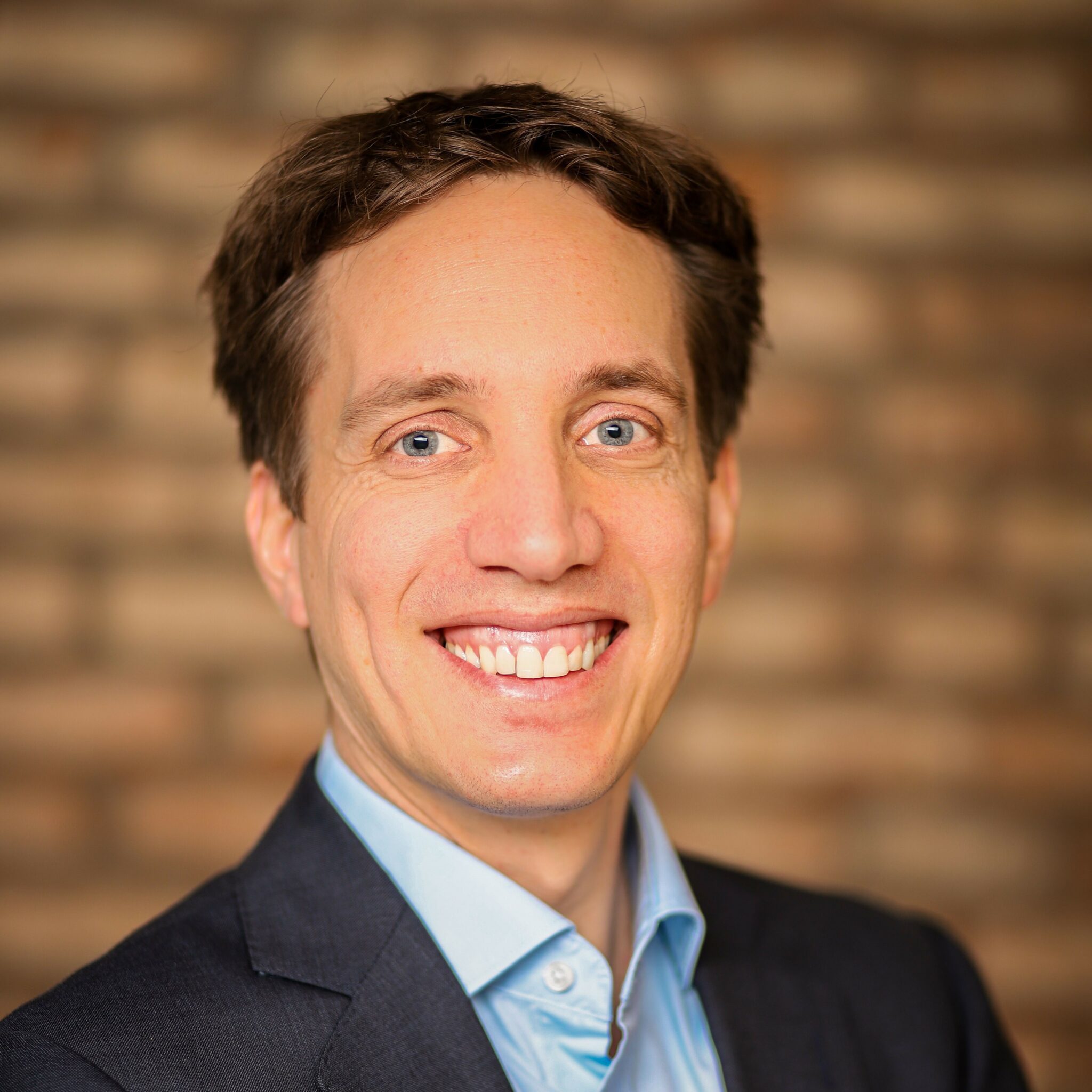
Bjarne Steffen is an Assistant Professor at ETH Zurich, Switzerland, and heads its Climate Finance and Policy Group. His research concerns public policy related to the low-carbon transition in the energy and financial sectors, drawing on concepts from energy economics, financial economics, and innovation studies. He is a member of international advisory bodies, such as the World Economic Forum’s Taskforce on Mobilizing Investment for Clean Energy in Emerging Economies, and the OECD/UNEP Green Finance Platform’s Sustainable Finance Effectiveness Working Group, and an external faculty at the MIT’s Center for Energy and Environmental Policy Research.
Recent Publications

Lena Klaaßen

Biography
Lena Klaaßen is a PhD candidate at the Climate Finance and Policy Group at ETH Zurich with a background in finance and power engineering. She conducts research on the role of the financial sector in accelerating investment in low-carbon technologies. In this context, her focus is on future investments needs in Europe’s infrastructure to get on a Paris-compatible pathway and whether current policies are fitted to induce required changes. Beyond that, she explores how and why investment needs and types vary across low-carbon technologies. Before joining the Climate Finance and Policy Group, she researched on carbon accounting in the corporate and cryptocurrency space.
Simone Borghesi
Biography
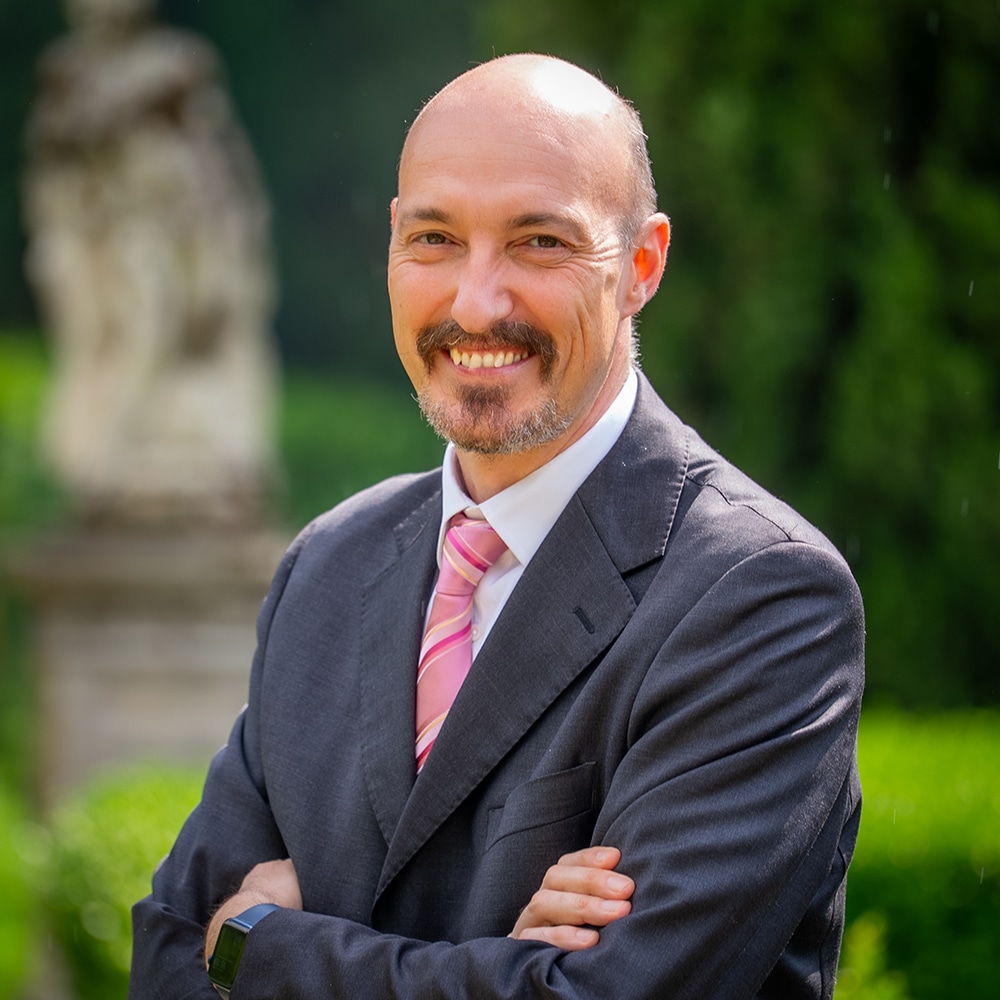
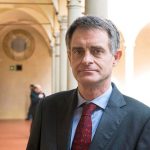
Simone Borghesi is Director of FSR Climate, the research group on climate change of the Robert Schuman Centre at the European University Institute, and Full Professor of Economics at the University of Siena. He is President of the Italian Association of Environmental and Resource Economists (IAERE). He is also Secretary General of the Policy Outreach Committee of EAERE, the European Association of Environmental and Resource Economists.
He received a M.Sc. in Economics at University College London (1996) and a Ph.D. in Economics at the European University Institute (2001). He worked at the International Monetary Fund, Washington (1998), at the Fondazione ENI Enrico Mattei, Milan (1999) and as Assistant Professor at the University of Pescara (2004-2008). He has been visiting scholar at INRA – Institute National de la Recherche Agronomique, Grenoble (2013), at the Department of Land Economy of the University of Cambridge (2015) and at the Center of Economic Research of the ETH, Zurich (2016).
He has published three books (“La sostenibilità dello sviluppo globale”, Carocci 2005, “Global Sustainability” Palgrave-Macmillan, 2008, “The EU ETS and Its Followers”, Springer 2016) and around 70 articles in edited books and peer-reviewed international journals including Ecological Economics, Ecological Modelling, Ecological Indicators, Economic Modelling, Economics of Innovation and New Technology, Energy Economics, Environmental and Resource Economics, Environmental Science and Policy, Journal of Cleaner Production, Journal of Economic Surveys, Journal of Evolutionary Economics, Journal of Socio-Economics, Research Policy, Scandinavian Journal of Economics.
He acted as referee for more than 30 journals and for several international institutions (Italian Ministry of Education, University and Research, Netherlands Organisation for Scientific Research, Social Sciences and Humanities Research Council (SSHRC) of Canada, Swiss National Science Foundation (SNSF)). He is member of the editorial board of International Journal of Sustainable Economy, and Journal of Entrepreneurial and Organizational Diversity and Associate Editor of Frontiers in Energy Systems and Policy.
He has given lectures and seminars in many universities both in Italy and abroad, including China, Czech Republic, Finland, France, Germany, Greece, Switzerland, Sweden, The Netherlands, Turkey, UK, USA. In 2012 he was invited at the United Nations at the High-Level Meeting on “Happiness and Wellbeing: Defining A New Economic Paradigm” and as invited speaker at the IV World EcoSummit (Columbus, Ohio). In 2018 he presented the results of the LIFE project SIDE (Supporting the Implementation and Development of the EU ETS) at a Public Debate at the European Parliament.
In 2018 and 2019 he has been Scientific Organizer and Chairman of Policy Sessions at the World Congress of Environmental and Resource Economists (Gothenburg), the Annual Conference of the European Association of Environmental and Resource Economists (Manchester) and at the State of the Union (Florence). Since 2017 he has been Chairman of FSR Climate Annual Conference of the European University Institute, and of the Carbon Market Workshop, organized in collaboration with DG Climate Action. In the past he has also been member of the organizing committee of the Annual Conference of the European Association of Environmental and Resource Economists (2011), of a special session at the European Association for Evolutionary Political Economy (2008), cochairman of the final workshop of the EU-FP7 project FESSUD on “Finance, Environment & Sustainability” (2016) and of the Goodwin Lectures on Sustainability at the University of Siena (2014-6).
In the period 2017-2018 he has been Director of the LIFE project SIDE (Supporting the Implementation and Development of the EU ETS) and coordinator of the research unit of the European University Institute in the H2020 project INNOPATHS (Innovation pathways, strategies and policies for the low-carbon transition in Europe). In the period 2012-2016 he has been member of several European projects (Transworld, Cecilia, Fessud) and Scientific Coordinator of the research unit of the University of Siena for the project on Climate change in the Mediterranean area financed by the Italian Ministry of Education, University and Research among the Research Projects of National Interest (PRIN).
He has been member of the Board of Directors of the University of Siena for the United Nations MED Solutions, the regional hub for the Mediterranean of the Sustainable Development Solutions Network (SDSN) directed by Jeffrey Sachs. He has been among the leading authors of the report “Pathways to deep decarbonization in Italy”, published in 2015 by SDSN (United Nations, New York) and the Institute for Sustainable Development and International Relations (IDDRI, Paris).
He currently directs the LIFE project DICET (Deepening International Cooperation on Emissions Trading).
His main research areas are globalisation and sustainable development, European climate and energy policies, the European Emission Trading System (EU ETS), economic growth and environmental degradation, dynamic environmental models, game theoretical models.
His full profile can be found here.
Recent Publications





Experts in similar topics
Biography
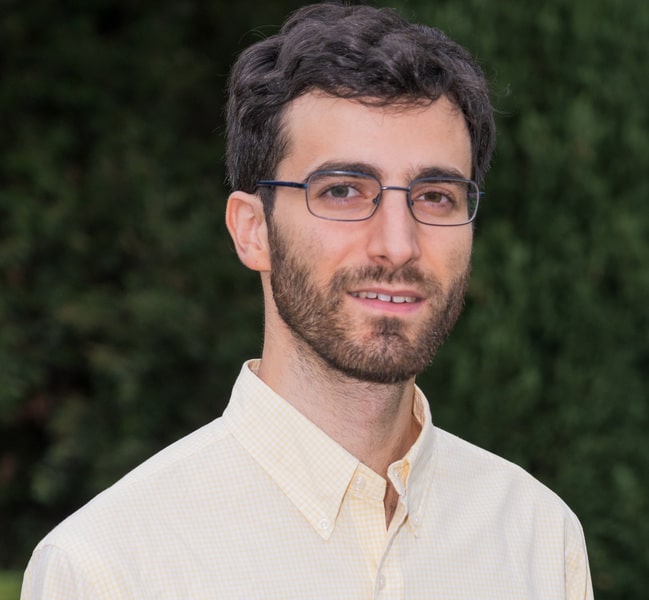
Jacopo is a Research Assistant at FSR Climate. He graduated in Economics from the University of Florence (BSc, MSc) and in Sustainable Development and Environmental Economics from the University of St Andrews (MSc). He obtained a PhD in Business Administration and Management from the University of Pisa.
His research areas lie with sustainability, clusters and innovation ecosystems, transition management, and climate policies. He runs research and published on socio-environmental sustainability, green consumption, and social enterprises.
As a research assistant at the Department of Business and Law from the University of Siena, partner of the “OpenInnoTrain” European consortium, Jacopo was a member of the project researchers’ group.
His collaboration with the FSR Climate area started in 2022. He is now involved in the Horizon Europe project “SPES-Sustainability, Performances, Evidence and Scenarios” , whose purpose is to highlight the linkages between socio-economic progress and environmental sustainability.
Experts in similar topics
Biography
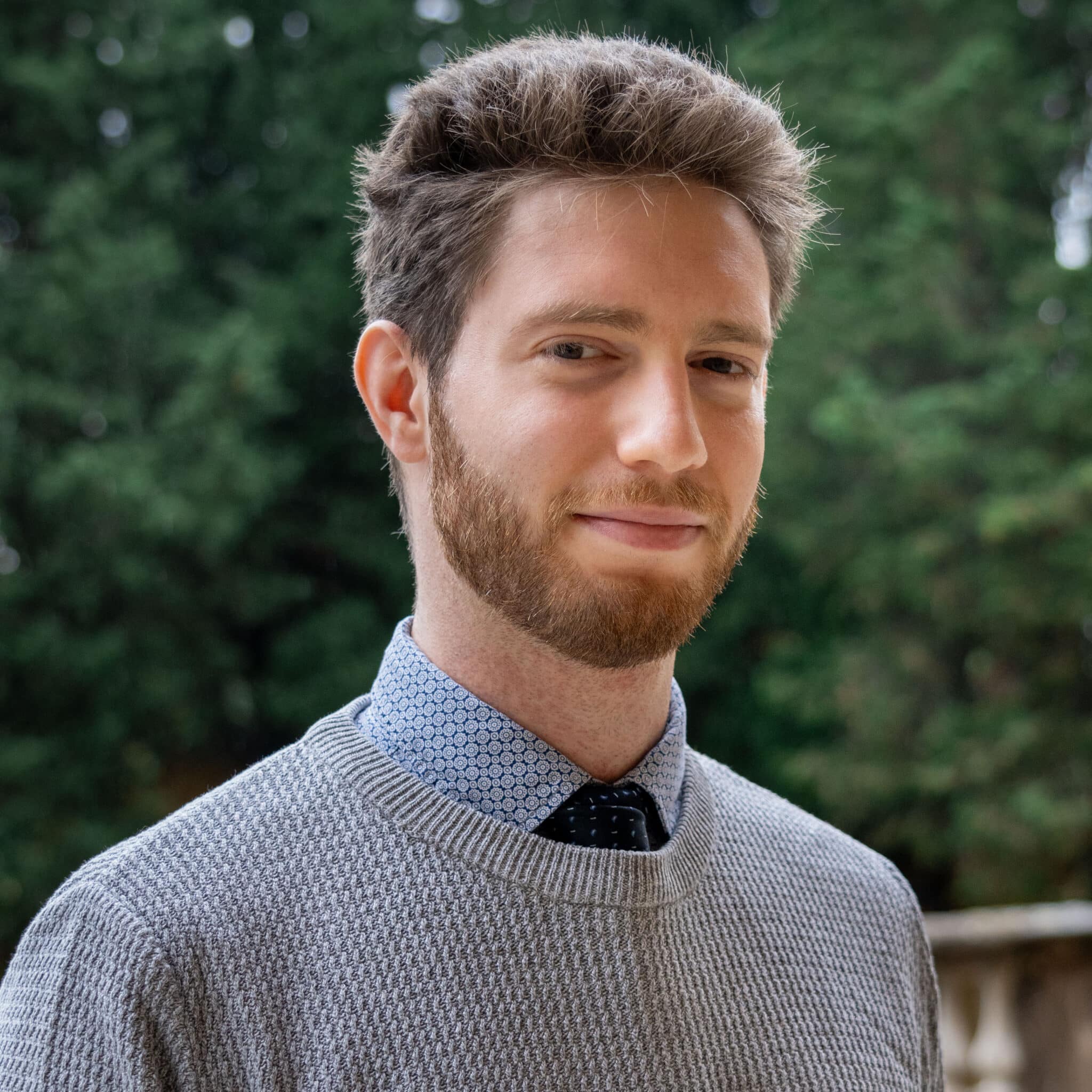
Matteo Mazzarano has been a research fellow at EUI since 2023 and Assistant professor at University of Siena since 2022, where he is docent of Economic Policy. He is a member of the IAERE (Italian Association of Environmental and Resource Economists) and the EAERE (European Association of Environmental and Resource Economics). Since July 2023, he has been part of the LIFE Collaborative Observatory for ASsessment of the EU ETS (COASE) project.
Departing from a Bachelor’s degree in political science at Roma III University in 2015, he achieved later the master’s in Resource Economics and Sustainable Development at Bologna University in 2017. His doctoral studies were completed at the University of Ferrara in 2021 with a thesis on the economics and justice of circularity, mining and secondary material, when he was awarded the Doctor Europeus prize.
From 2020 to 2022, he pursued a postdoc 2020-2022 at the Catholic University of Milan. The research themes focused on applying text analytical tools in the context of Climate Transition Risk, Climate Finance Climate to quantify transition risk in mandatory non-financial statements. He has been affiliated with the Foundation Eny Enrico Mattei (FEEM) until 2021. Since 2022, he has been affiliated with the Euro-Mediterranean Center on Climate Change (also known as CMCC). Here, he investigates the economic and social risks due to Climate Change in local economies.
He published in academic journals such as Ecological Economics, Review of Financial Analysis, Regional Studies, Waste Management and Resources Economics and reviewer in Economia Politica, Frontiers in Climate, Cleaner Production, Structural Change and Economic Dynamics, Business Strategy and the Environment.
His main research themes are the fiscal implication of climate policies and climate risks, transition risk in financial markets, the economics and justice of circularity, and secondary materials applying both theoretical and empirical methods.
Recent Publications
Fabio Gaetano Santeramo
Biography
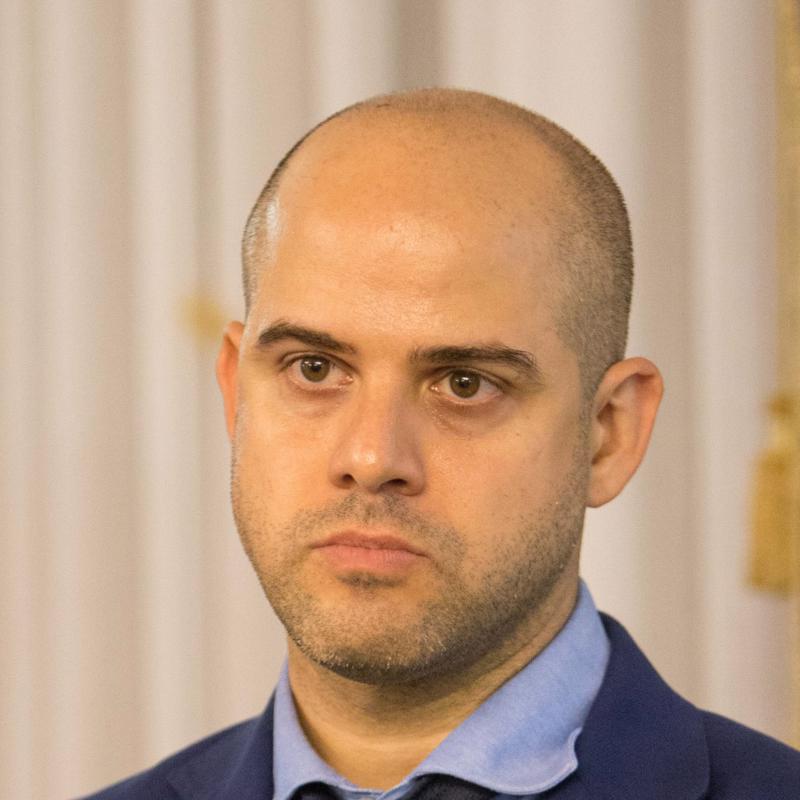
Fabio Santeramo, Marie Curie Fellow at the Global Governance Programme of the Schuman Centre, presents his future research plans on the relationship between climate change, trade and agriculture.
The agri-food sector is both highly impacted by climate change and is one of the main contributors to the global emissions, with more than 13 billion metric tons of CO2 equivalent. A growing world population and changes in diet are going to raise the demand for food and for livestock feed and therefore increase the emissions from agriculture. On the other hand, climate change may have a substantial impact on the use of land and other inputs, on the productivity and ultimately on the global agri-food production.
Changes in climate are already altering the use of land and the productivity in developed and developing countries, with consequences that are reflected on emissions, use of resources and global availability of food. The major consequences are evident at local level and therefore influence the terms of trade dynamics, and in turn the debate on trade policies.
After having recognised the role of trade in allowing adaptation to climate change, scientists are debating on the role of trade policies. Recent papers have pointed at the losses (in terms of lack of adaptation) implied by existing trade barriers. Some scholars have also argued that trade policies may be effective tools to incentivise the relocation of the agri-food production in areas rewarded by the global warming. Moreover, the policy interventions may prove effective in discouraging the production in least (environmentally) efficient areas in order to reduce the emissions and lowering the pressure of the sector on the environment.
Against this background, it is remarkable to note that economics has failed to find a global solution. Scholars have stressed on the need to establish a cross-disciplines approach, deriving knowledge from several fields such as agricultural and environmental economics, international economics, international relations, and political science. A multidisciplinary approach is necessary to produce ground-breaking, scientifically rigorous evidence to guide stakeholders in their decisions and negotiations. Only by evaluating different potential solutions and designing enforcing mechanisms to achieve effective international cooperation, it will be possible to establish a new trade regime, capable of ensuring resilience, efficiency and equity to the global agri-food sector.
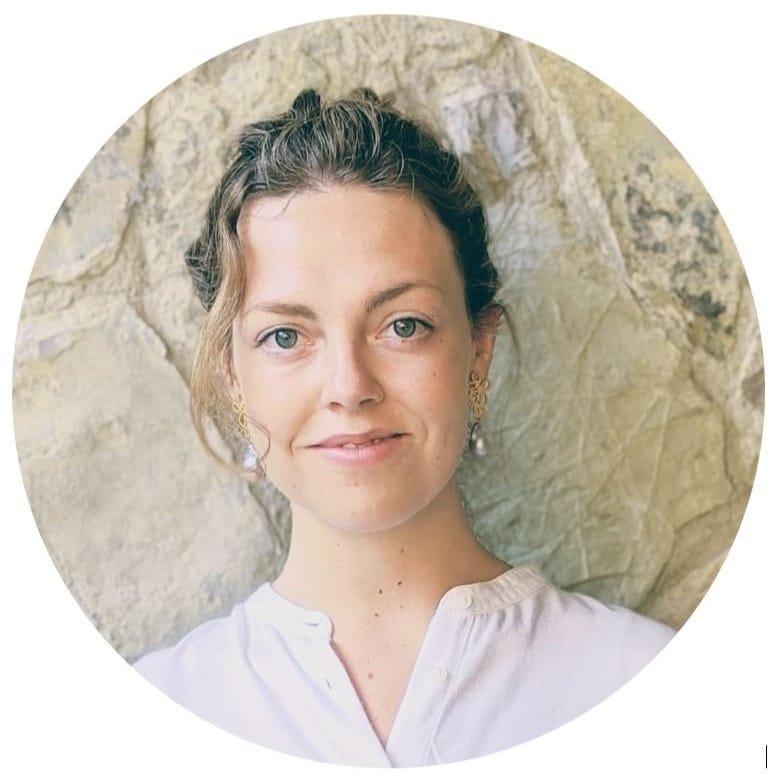
Lea Heinrich
Biography
Lea Heinrich is a Project Assistant in the Climate Area at the Florence School of Regulation since 2023, where she supports the LIFE COASE project.
Before joining FSR Climate, she worked in Brussels as a Policy Advisor at the European Association of Services of General Interest SGI Europe, representing German public employers and utilities. Before that, she gained professional experience in the European Parliament and policy consultancies.
Lea holds a Master’s degree in Political Science from the Université Libre de Bruxelles and a Bachelor’s degree in European Studies from Maastricht University. She speaks German, English and Italian.