


Research

The School carries out applied research with the purpose of developing economically, legally, and socially-sound regulation and policy, using a multidisciplinary approach.

Independent aggregation in the nordic day-ahead market : what is the welfare impact of socializing supplier compensation payments?

This paper addresses the participation of independent aggregators (IAs) for demand response (DR) in European electricity markets. An IA is an aggregator trading the...

Authors
Tim Schittekatte KB ZB
Article
Environmental insurance and resilience in the age of natural disasters
Discover more
Policy Paper
Evaluating models of CO2 transport governance : from state-led to market-based approaches
Discover more

Executive Education

We offer different types of training: Online, Residential, Blended and Tailor-made courses in all levels of knowledge.

Policy Events

A wide range of events for open discussion and knowledge exchange. In Florence, Brussels, worldwide and online.

More

Discover more initiatives, broader research, and featured reports.

Lights on Women

The Lights on Women initiative promotes, trains and advocates for women in energy, climate and sustainability, boosting their visibility, representation and careers.

Discover more
Publications

Analysing price and income responsiveness of Spanish consumers of car fuels
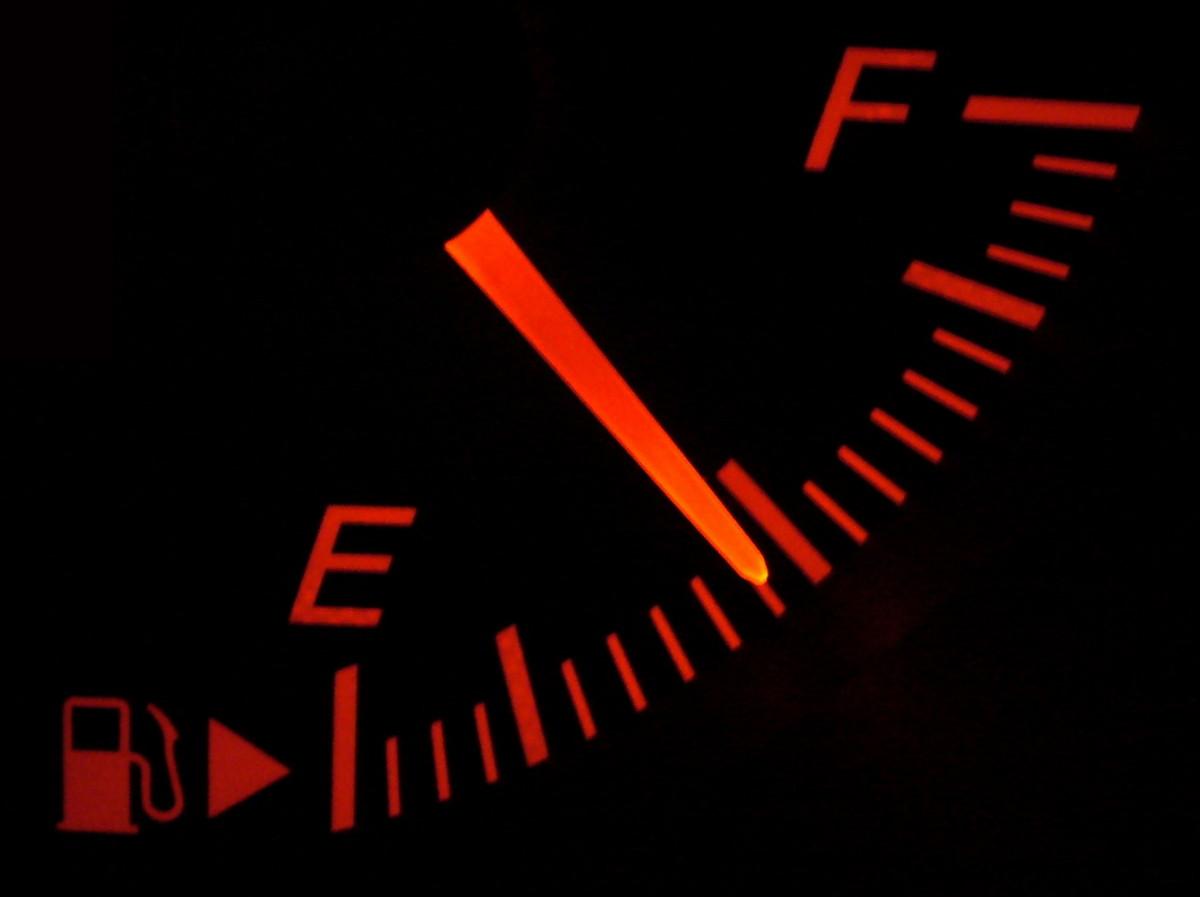
image ofr news on Climate WP on elasticities

A new working paper with the title: Elasticities of car fuels at times of economic crisis: an empirical analysis for Spain, has been published in the FSR Climate series. The paper provides an updated calculation of the price and income responsiveness of Spanish consumers of car fuels, with an explicit exploration of the effects of the recent economic crisis.

The paper confirms the persistence of low own-price elasticities both for diesel and gasoline in the short and long runs. It also shows that the crisis of 2008-2013 slightly increased the price elasticity of demand for car fuels, with a higher effect on diesel than on gasoline. By contrary, the crisis slightly reduced the income elasticity of car-fuel demand.

Authors: Mohcine Bakhat, Departamento de Análisis Económico, UNED. Xavier Labandeira, Florence School of Regulation Climate and University of Vigo. José M. Labeaga Departamento de Análisis Económico, UNED.

Download the paper

Don’t miss any update on this topic

Sign up for free and access the latest publications and insights

Sign up
Back to top