



6th Florence Intermodal Forum-Towards EU-wide Multimodal Ticketing and Payment Systems

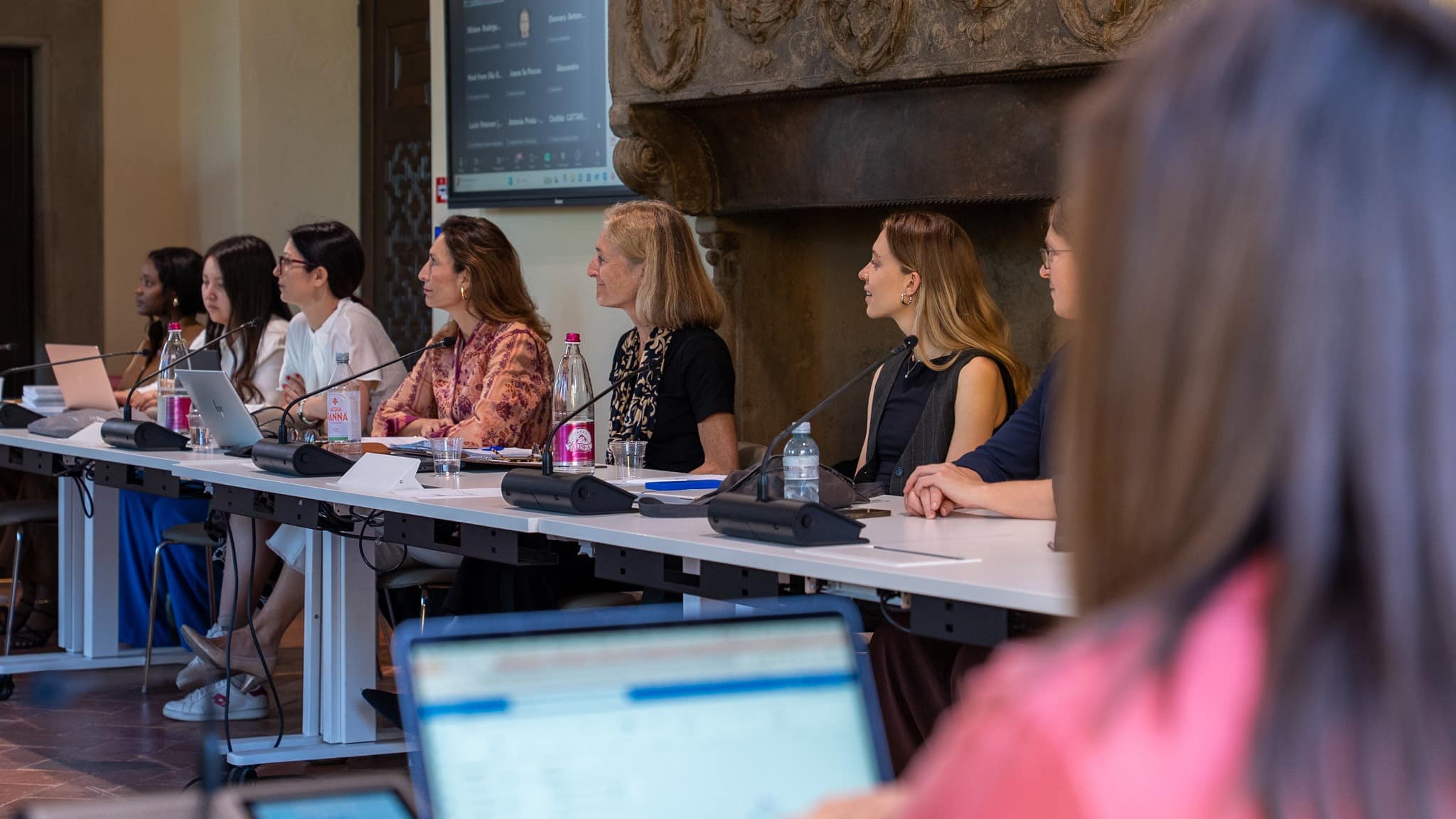
On Friday, 13th September 2019, the Transport Area of the Florence School of Regulation together with the European Commission’s DG MOVE co-hosted the 6th Florence Intermodal Forum on Multimodal Ticketing and Payment Systems. The forum brought together European- and national-regulators, public transport operators, industry representatives, and academics for a discussion on the challenges and enablers to delivering an EU wide multimodal ticketing and payment system.
The event looked at existing EU-legislation and examined possible EU actions and initiatives that could be undertaken in view of achieving it. More specifically, forum participants sought to answer the following critical questions:
1) How can access to fare data be enabled?
2) What lessons can be drawn from the air ticket distribution market?
3) What are the possible EU actions and initiatives, both legislative and non-legislative, which could be undertaken in view of achieving an EU-wide multimodal ticketing and payment system?
At the end of the forum, participants came to several main conclusions, namely:
– Platforms and operators should be better interconnected
– Platforms should have more obligations and be able to guarantee that access to sensitive personal data is securely stored
– The role of national ministries and public authorities should be clarified
-Enforcement measures need to be ensured
-All these need to be seen as part of a broader strategy to advance the European Commission’s sustainability and decarbonisation objectives.
However, we are in the beginning of a long journey and the next decisive step could be the introduction of a new strategy, which should draw on the experience of the airline industry and their CRS Code of Conduct, which was also discussed at the forum. We will closely follow the developments in the area, and in the meantime we would like to draw your attention to the newly published study REMAINING CHALLENGES FOR EU-WIDE INTEGRATED TICKETING AND PAYMENT SYSTEMS.
We would like to thank all participants for travelling to Florence and contributing to a lively debate.
Photos from the event are available here.
For more information on the 6th Florence Intermodal Forum, the seminar programme and follow-up materials, please click here.
Don’t miss any update on this topic
Sign up for free and access the latest publications and insights
More on the topic