


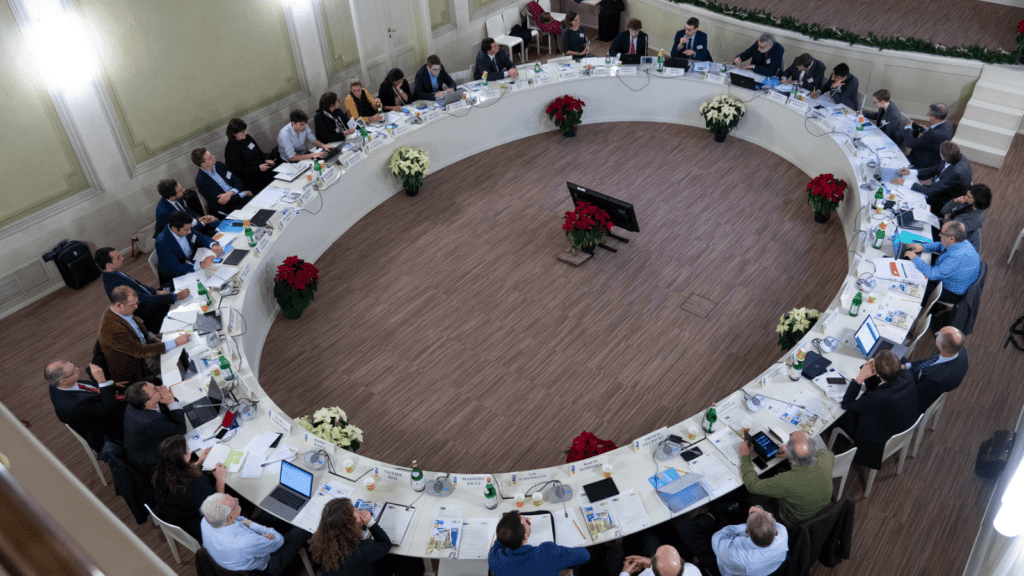

31st European Electricity Regulatory Forum | Florence

On Monday 13th and Tuesday 14th June the FSR Director, Jean-Michel Glachant, will attend the Electricity Regulatory Forum taking place in Florence.
The Florence Forum is the traditional, most important appointment organised by the European Commission twice a year in Florence, with the purpose to discuss the development of the internal electricity market and in particular on the functioning of cross-border interconnection.
The event is numerously attended by representatives of NRAs, European Commission, National Governments, TSOs, electricity traders, consumers, network users and power exchange.
This year’s edition will be mainly dedicated to Energy Market Design, particularly on how to upgrade retail markets in view of the current challenges and necessities, such as enabling demand-response through a more direct exposure to price signals and creating a non-discriminatory data management system. The revision of the Renewables Directive for the period after 2020 will also be discussed.
The last Session will focus on the Internal Energy Market, paying particular attention to the implementation status of the electricity network codes and guidelines.
Don’t miss any update on this topic
Sign up for free and access the latest publications and insights