

3 Ds scenarios: the regulatory challenges in the age of Decarbonisation, Digitalisation and Decentralisation
- What is the right balance between data protection and security on one hand and innovation and competition on the other?
- What are the main regulatory challenges caused by the decarbonisation and digitalization processes in the energy sector?
- Who should be in charge of regulating this revolutionary process? How are TSOs and DSOs handling these changes?
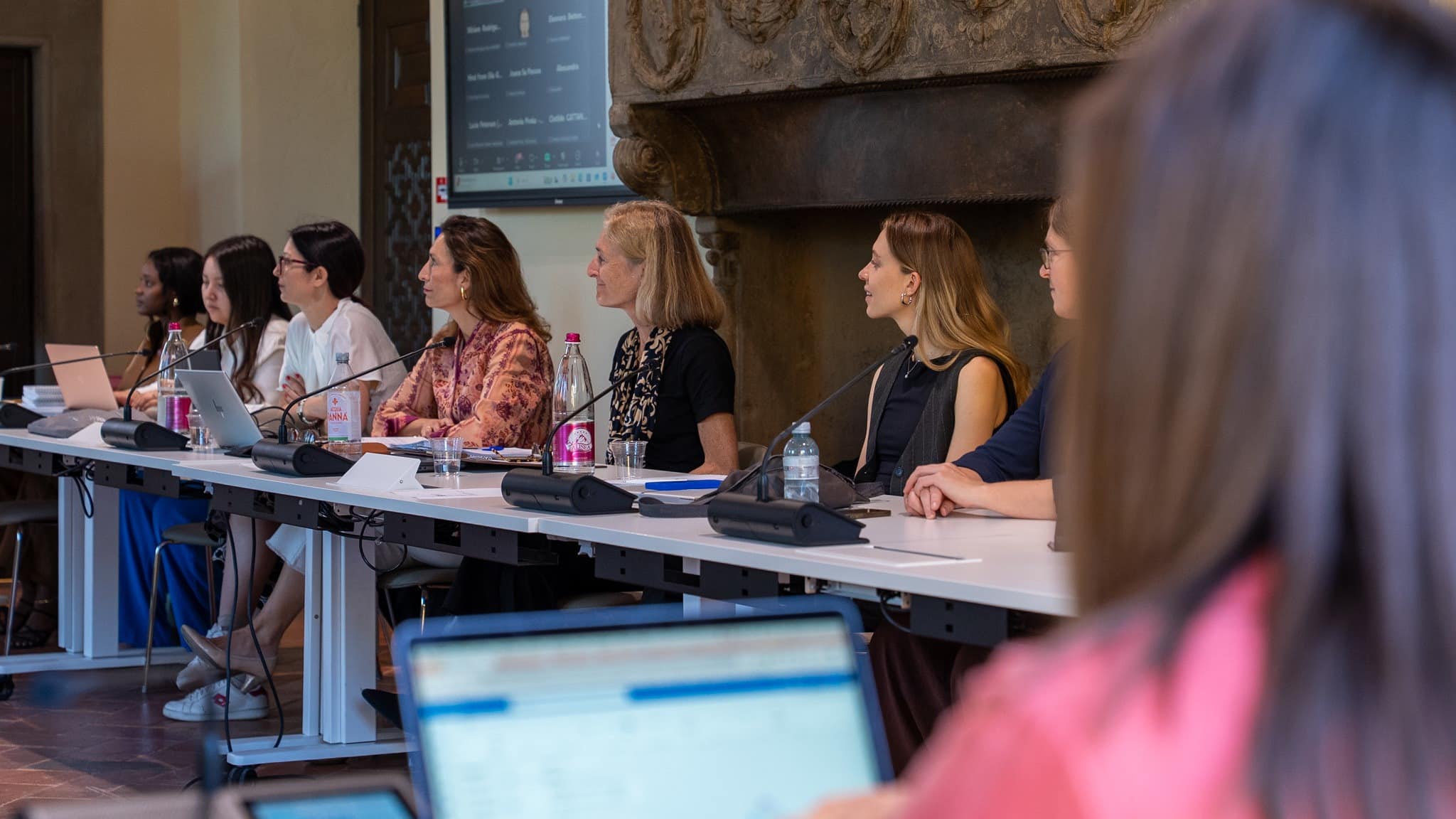
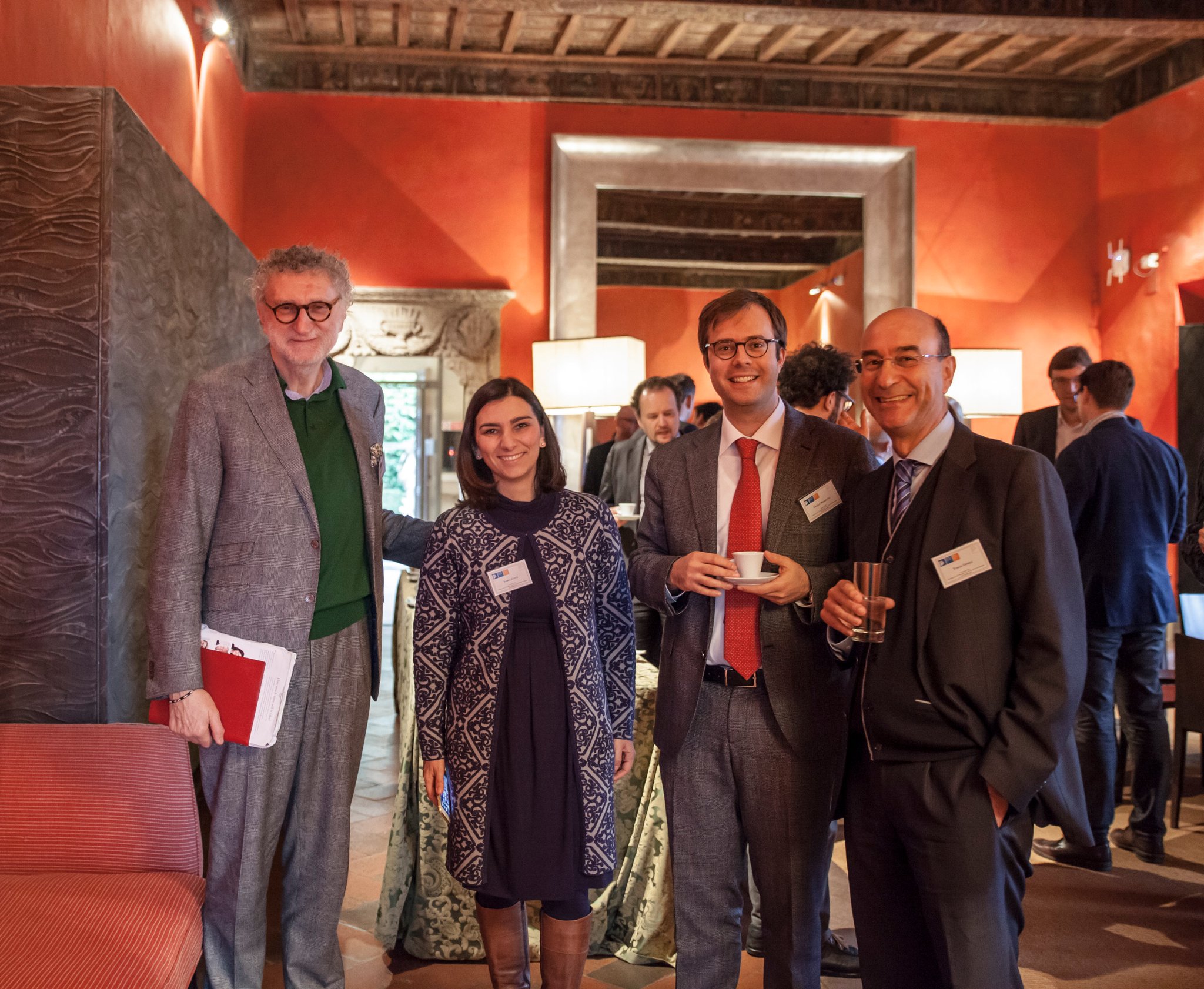
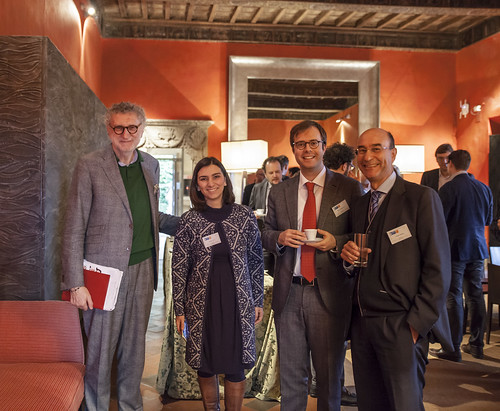
The Florence School of Regulation, together with Bruegel and Fondazione ENI Enrico Mattei, organised a workshop on the ‘Challenges for EU Regulators in the Age of Decarbonisation and Digitalization’ on Thursday 2 February 2017.
The aim of this workshop was to discuss what are the main regulatory challenges arising from the decarbonisation and digitalization of the energy sector, whether TSOs and DSOs are equipped for handling these challenges, and what is the role of the regulator in facilitating this transition and fostering competition.
Digitalisation of the Energy sector has enabled the individual customer at a decentralised level to participate in the business of electricity. Prosumers are able to provide flexibility to the energy system by optimizing their consumption and by providing decentralised generation, using technologies such as rooftop solar in combination with energy storage devices.
Such a transformation has ushered in various new challenges for the regulators as well as the system operators (DSOs and TSOs). Data protection, for instance, may require the creation of new governance models.
It will be extremely important for the TSOs and DSOs to evolve and adapt to the new reality. Greater coordination with each other will be essential to manage power and data flows moving in all directions.
The digital transformation of the energy sector is a great opportunity for progressing towards a more sustainable future, but it requires a high level of cooperation and a unified effort from all the relevant stakeholders to deliver lasting benefits to the European citizens.
Read the Workshop Highlights (PDF)
Don’t miss any update on this topic
Sign up for free and access the latest publications and insights