




Juan Montero | S2E5 | Don’t call them trains! Tendering Railway Services
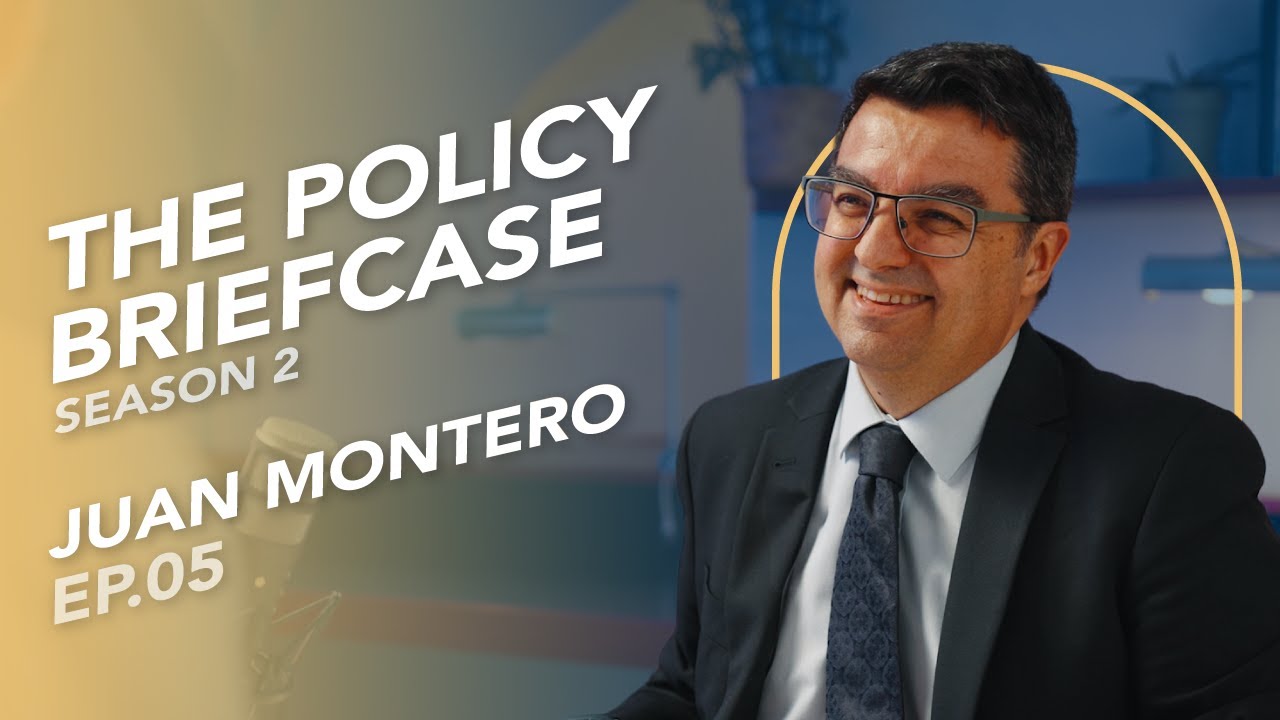
In this episode of the FSR Policy Briefcase (Season 2, Episode 5), hosts Leonardo Meeus and James Kneebone sit down with the Director of the FSR Transport area, Juan Montero. The group explore how and why contracts for railway services are tendered in the EU, which parts of the network are profitable, which require subsidies, and how various Member States approach these contracts differently.
Drawing from Juan’s recent Policy Brief, the discussion addresses the policy implications of why the EU is encouraging more tendering, issues conducting tenders, and how they can be resolved. Recorded in April 2025. https://cadmus.eui.eu/entities/publication/e7adec46-9f7c-5f68-851f-906ee8994ec9
00:00 – Introduction
02:35 – Why are some train services commercially viable and others need subsidies?
05:22 – Why do incumbent operators so often win tenders?
08:44 – Which kind of rail services have been most affected by new tendering processes?
12:17 – What are the risks of privatising these services?
16:13 – How important is the ‘size’ of tendering contracts?
20:30 – Are there different governance models?
29:05 – Is there convergence towards a common approach to tendering in the EU?
30:08 – Who organises tenders?
31:49 – Conclusion
Don’t miss any update on this topic
Sign up for free and access the latest publications and insights