

The European Affordable Housing Plan in support of Europe’s competitiveness and social cohesion

This webinar examined how the European Affordable Housing Plan addresses Europe’s housing crisis as a strategic challenge for competitiveness and social cohesion.
Watch the recording:
Europe’s housing crisis is no longer only a social challenge; it has become a critical competitiveness issue. Soaring house prices, rising rents, and a persistent shortage of affordable homes are constraining labour mobility, deepening inequalities, and placing increasing pressure on Europe’s economic growth model.
This webinar explores the European Affordable Housing Plan, the EU’s first comprehensive framework designed to address the structural causes of the housing crisis. The discussion will examine how the Plan seeks to increase housing supply, mobilise public and private investment, simplify regulatory frameworks, and strengthen support for cities, regions, and Member States; while reinforcing social cohesion and Europe’s long-term economic resilience.
The webinar will also connect the priorities of the Plan with the cities of tomorrow, highlighting how affordable housing policy intersects with the reimagining of urban infrastructure, sustainability, and inclusive growth.
Participants will gain practical insights into the Plan’s four pillars, boosting housing supply, mobilising investment, enabling reforms, and supporting the most affected groups, alongside an overview of recent changes to EU funding instruments and State aid rules. The discussion will focus on what these measures mean in practice for policymakers, housing providers, cities, and investors across Europe.
The European Affordable Housing Plan was adopted by the European Commission in December last year. Its preparation was led by the Task Force on Housing within the Commission, under the leadership of Matthew Baldwin, Deputy Director-General at DG Energy. He will deliver the keynote address at the webinar, offering first-hand insights into the Plan’s objectives and implementation.
Programme
Discussant: Mārtiņš Staķis (European Parliament, former Mayor of Riga)
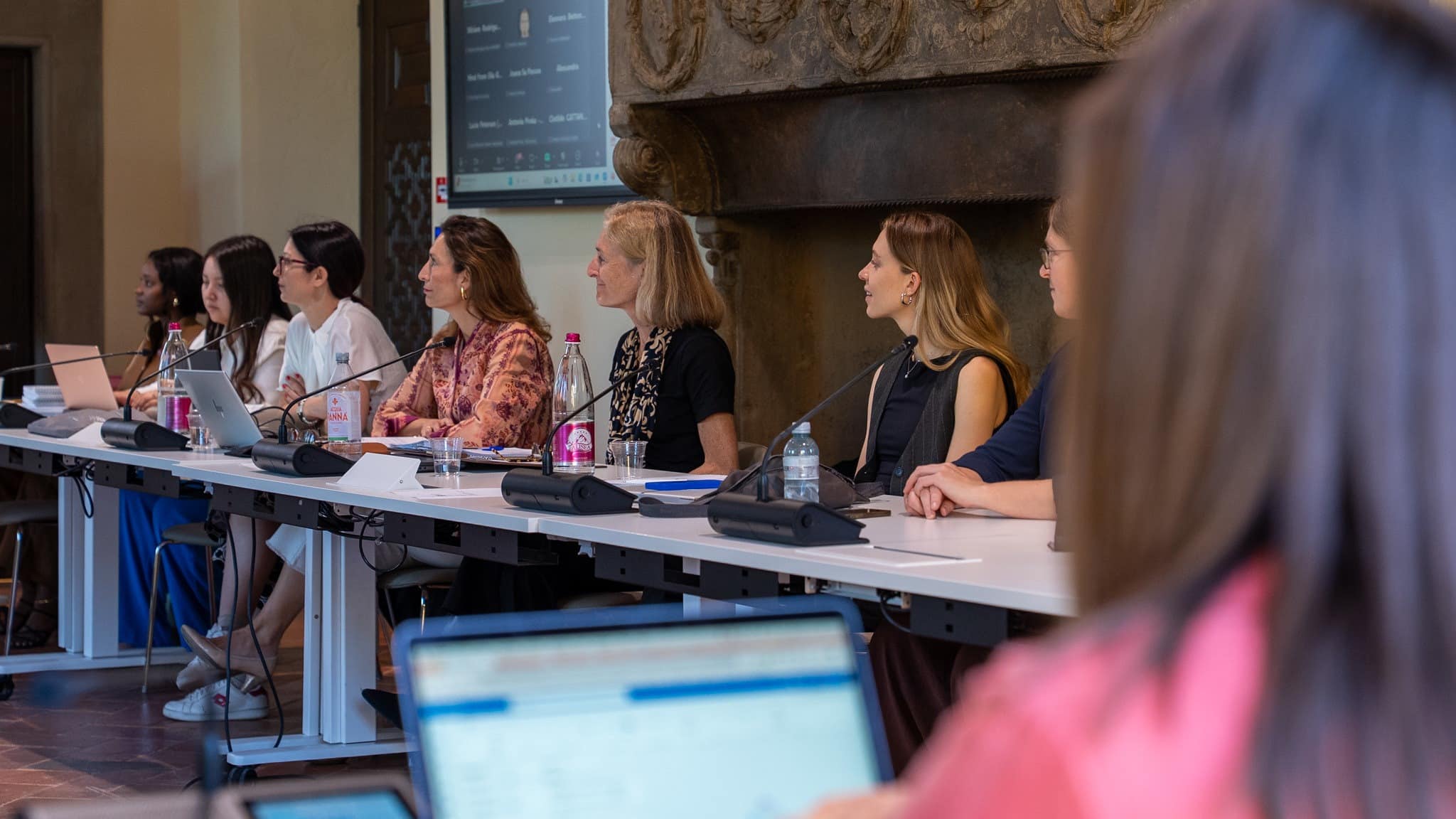
Panel discussion: Housing Plan and Cities of tomorrow
- Gwen Colin (Vauban Infrastructure Partners)
- Thomas Bourleaud (Altermind)
Moderator: Max Münchmeyer (Florence School of Regualtion, EUI)
Don’t miss any update on our events
Sign up for free and access the latest events from our community.
More on the topic