
Sustainable Consumption in the World Energy Transition
Join us on the third online event leading up to the FSR Global Forum discussing Sustainable Consumption in the World Energy Transition.
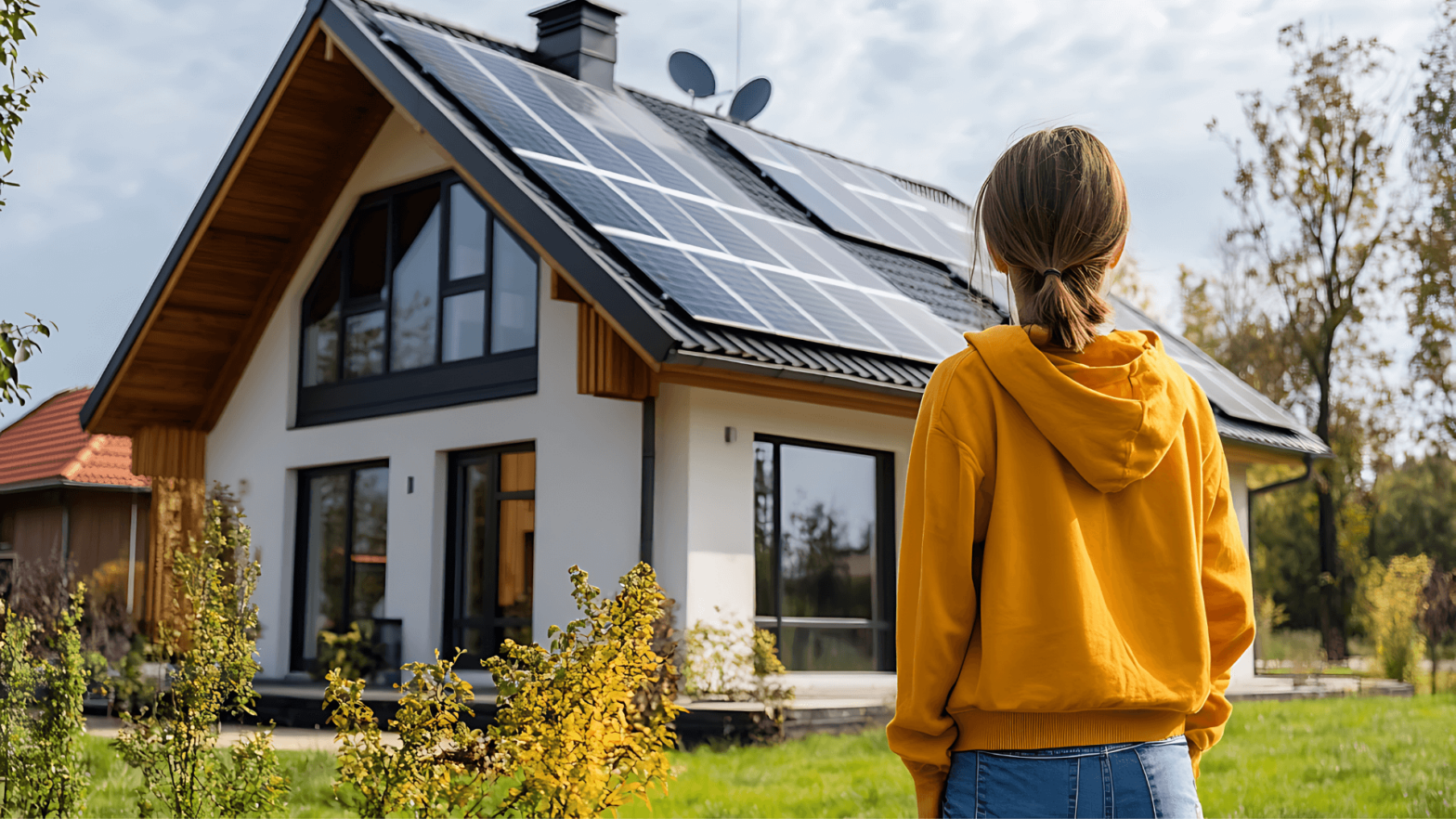
The accomplishment of the world energy transition for a low-carbon economy imposes challenges on public authorities, but also civil society and consumers. Besides the universal access to clean and affordable energy, consumers and industrial customers are means to the energy transition when they respond and engage in consumption patterns to consume less and better energy, self-generate, or become prosumers. These goals are at the core of the United Nation SDG #12, which trickle the issue of Sustainable Consumption.
A wide range of techniques have been developed to bring consumption to more sustainable levels: information disclosure policy though smart-meters, energy label and eco-design; energy efficiency of residential and non-residential buildings; tax and regulatory incentives for the use of electric vehicles among others. Until now, these techniques remained scattered across different areas of law, with the resulting challenge for anyone interested in their forms and operation. The online debate aims to touch open the issue of sustainable consumption.
This online debate will discuss the following issues:
- What does the UN Sustainable Development Goal #12 on Sustainable Consumption mean and how does it interact with SDG #7 on affordable and clean energy?
- What are the main legal barriers that preclude consumers to engage in more sustainable patterns such as demand-response?
- What are the legal techniques that have been developed to bring consumption to more sustainable levels in energy markets and other sectors?
An open discussion will follow.
Speakers:
Alberto do Amaral Júnior | Professor at the University of São Paulo (Brazil).
Tiago de Barros Correia | Former-Director of ANEEL (Brazilian Electricity Regulatory Authority)
Miguel Vazquez | Part-time Professor and Head of Florence School of Regulation Energy Innovation
Moderator:
Lucila de Almeida | Florence School of Regulation
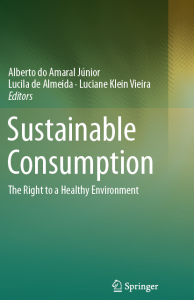
The online debate aims to pre-launch the Springer book entitled ‘Sustainable Consumption: the right to a healthy environment’ of our Research Associate, Lucila de Almeida, together with Alberto do Amaral Junior (University of São Paulo) and Luciane Klein Vieira (University of Buenos Aires and UNISINOS). Tiago de Barros Correia is one among the more than 30 contributors and writes on the auction design to procure energy efficiency measures.
About the FSR Global Forum
The FSR Global Forum is a 4-day event fostering practice-oriented solutions on key aspects of the world energy transition. It provides a platform for multi-stakeholder engagement to facilitate transnational knowledge exchange.
It brings together 100 representatives (by invitation only) from government agencies, regulatory bodies, energy companies, energy utilities, development organisations and academics from across the world.
The Forum develops around 12 knowledge spaces to facilitate interactive discussions and digitally maps the key insights of each session. The topical issues addressed have a special focus on Latin America, Africa and Asia.
Don’t miss any update on our events
Sign up for free and access the latest events from our community.
More on the topic