


Flexibility in the electricity sector

This online debate “Flexibility in the electricity sector” will address the issue of how flexibility can be promoted and rewarded efficiently and effectively in an electricity system that features a growing share of renewables. Insights from two European-funded projects, SmartNet and OSMOSE, will feed the debate.
Market design for a decarbonised and decentralised electricity sector
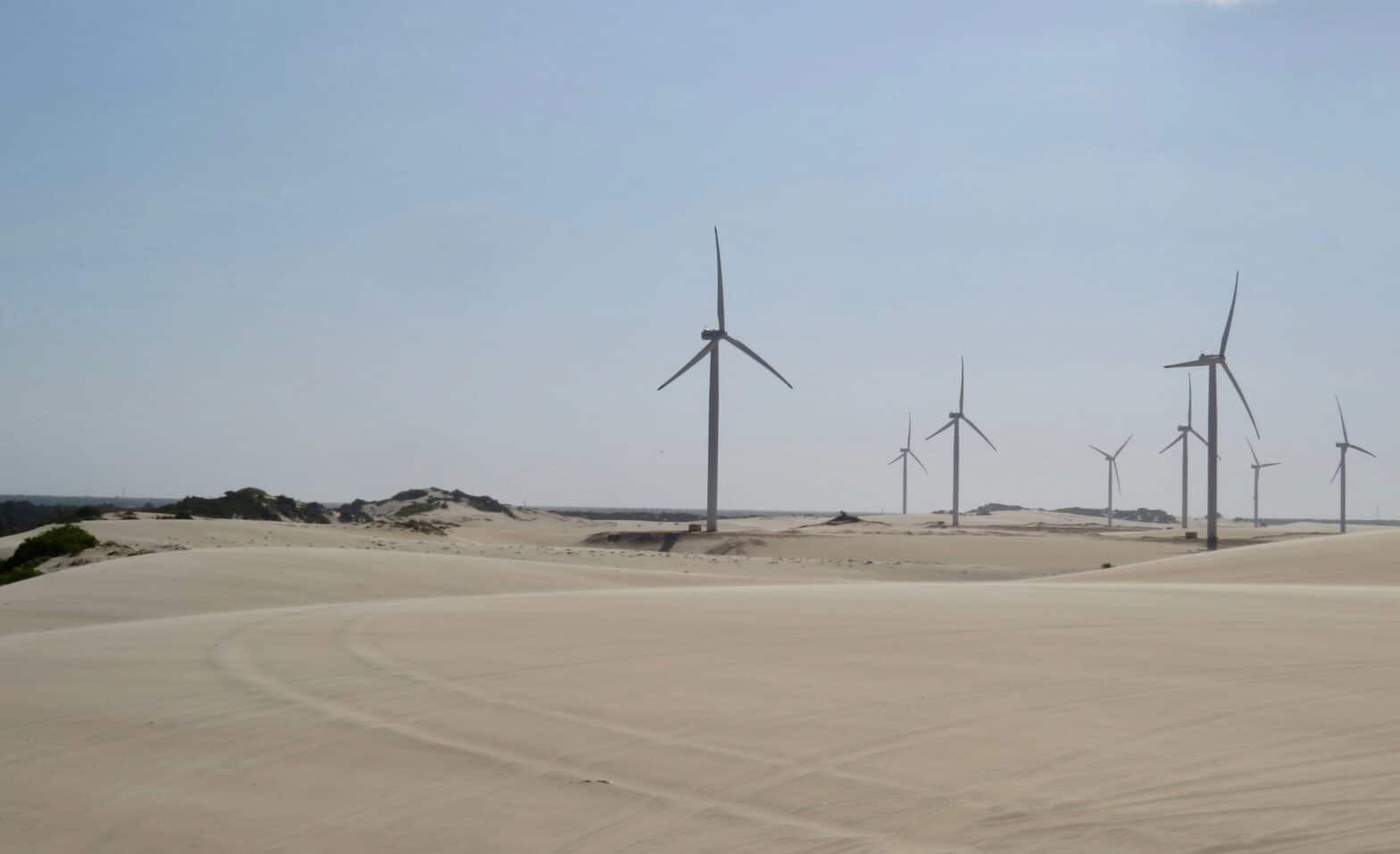
The growing penetration of renewable energy sources in the European generation mix is changing the context upon which power markets and system operation were established in the 1990s. At that time, large and dispatchable thermal power plants dominated the supply side and had to modulate their production to follow the load and keep the system in balance. Today, smaller and intermittent plants with negligible variable costs are getting the centre-stage. Wind farms are a classic example. This transformation requires that new sources of flexibility are incentivised and optimised. The market architecture that emerged in Europe in the past 30 years may not be the most suitable to do that job.
Moderated by:
- Nicolo Rossetto (FSR)
Speakers:
- Guillaume Lehec (ENGIE)
- Gianluigi Migliavacca (SmartNet project, RSE)
- Christoph Weber (OSMOSE project, Duisburg-Essen University)
- Tim Schittekatte (FSR)
An open Q&A will follow.
FSR online debate in collaboration with the Horizon2020 projects SmartNet and Osmose
Don’t miss any update on our events
Sign up for free and access the latest events from our community.