


EURELECTRIC Conference

Access to Electricity for All: The role of the European power sector in the advancement of sustainable and climate resilient development
On 25 September 2015, the 193 countries of the UN General Assembly adopted the 2030 Development Agenda entitled “Transforming our world – the 2030 Agenda for Sustainable Development”. This includes the 17 Sustainable Development Goals (SDGs), an inter-governmentally agreed set of objectives relating to international development, which will replace the Millennium Development Goals once these expire at the end of 2015. To “Ensure access to affordable, reliable, sustainable and modern energy for all” is one of the agreed SDGs.
Electricity is a precondition for economic development. Yet today, 1.2 billion people in the world still have no access to electricity. Action is thus urgently needed. Improving access to low carbon electricity means bringing energy independence and security to vulnerable countries, while also providing an important tool in the battle against climate change. The European electricity sector is fully committed to fulfilling these fundamental development and environmental needs. As the world energy demand grows day by day, low carbon electricity will provide an important opportunity to satisfy such demand in an environmentally and economically sustainable manner.
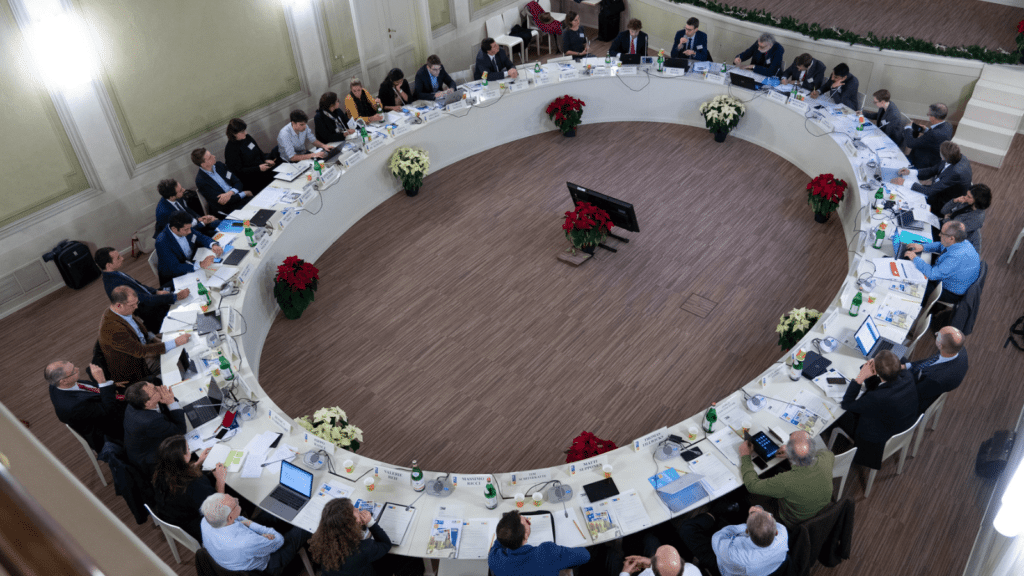
Representatives from public and private sectors, as well as the EU institutions and NGOs, will be invited to discuss and engage in frank discussions on the EU’s strategy and efforts with regard to providing access to electricity in developing countries, in the context of the outcome of the COP21 Climate Change Conference in Paris and the recently adopted Sustainable Development Goals. This will prove an excellent opportunity for stakeholders to exchange views on the role of the EU, the European electricity industry’s best practices as well as financing instruments.
Don’t miss any update on this topic
Sign up for free and access the latest publications and insights
More on the topic