




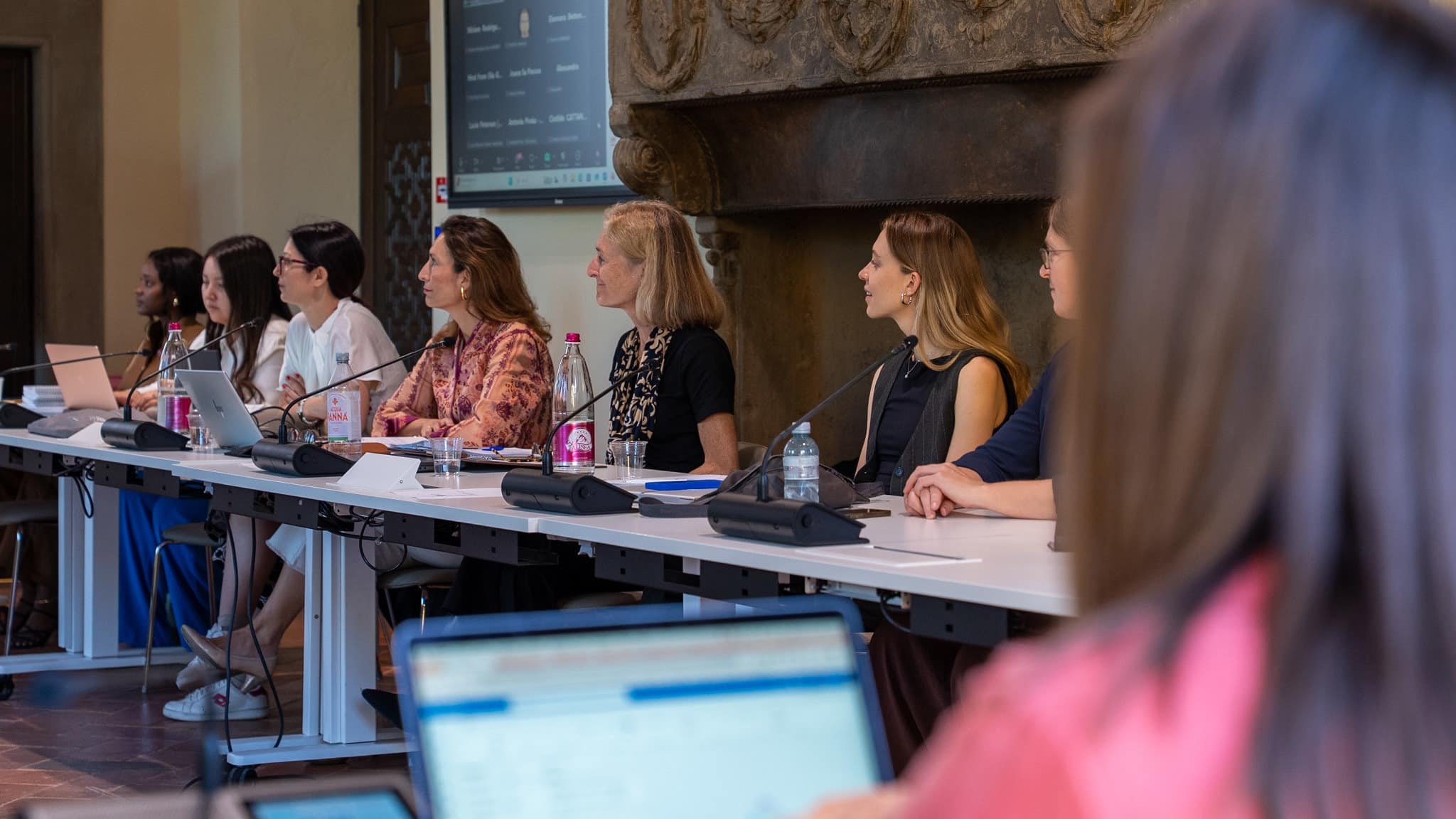
OneNet takeaways: insights for electricity market design
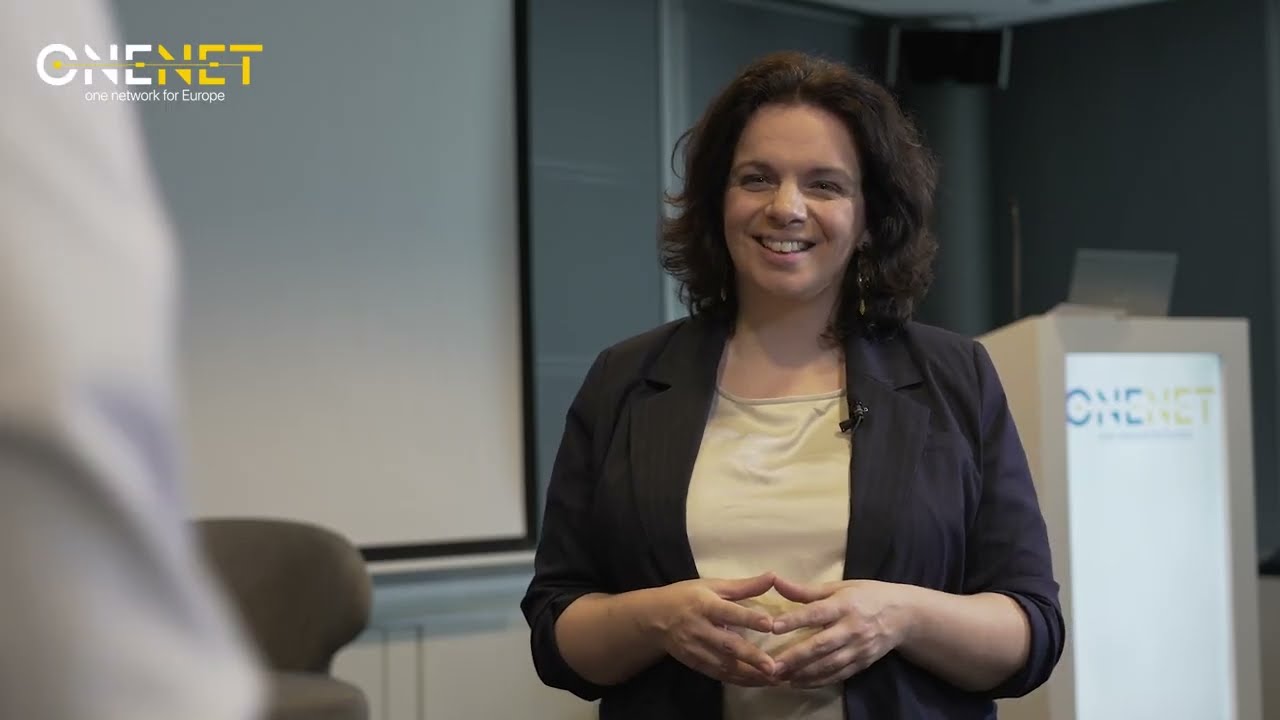
Nicolò Rossetto (FSR) interviews Helena Gerard (VITO) at the margins of the OneNet project final event, which took place in March 2024 in Brussels. During the interview, Helena highlights three issues where the work of OneNet can contribute to the development of European network codes for electricity and, more in general, to the design of a future-proof electricity market. They are 1) harmonization of products and services, 2) quantification of the implications of different options, and 3) innovation at the process and tools’ level. At the same time, Helena observes that OneNet focuses on electricity markets, system operators, and operational tooling. These are all important aspects but do not exhaust all the relevant research questions. In particular, it will be important to look at other energy vectors (sector coupling), implicit flexibility mechanisms (e.g., network tariffs and flexible connection agreements), and novel business models and market designs that take fully into account consumer centricity (e.g., peer-to-peer energy trading).
Keywords:
OneNet; electricity network codes; electricity market design; harmonisation; system services
Don’t miss any update on this topic
Sign up for free and access the latest publications and insights