




OneNet takeaways: flexibility markets and consumer centricity
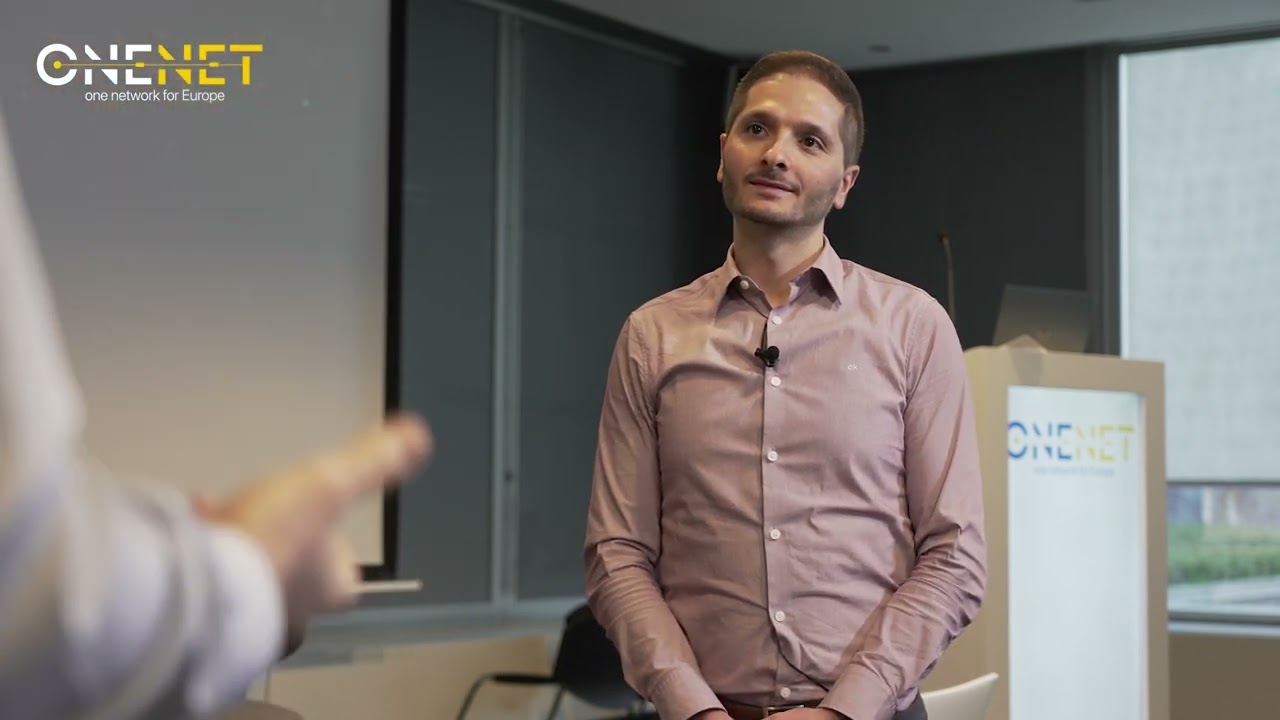
Nicolò Rossetto (FSR) interviews Anibal Sanjab (VITO) at the margins of the OneNet project final event, which took place in March 2024. During the interview, Anibal explains what flexibility in electricity markets is and why it is so important. Once provided mostly by generators and large consumers, flexibility can today be provided also by smaller consumers. Flexibility markets are expected to unlock their potential with the essential contribution of aggregators. However, to work efficiently, these markets require coordination by system operators, both at the transmission and distribution level. Alternative options exist to implement such coordination. These alternatives can be assessed based on various criteria, one of them being consumer centricity. Indeed, flexibility markets can be designed in a way that brings consumers to the centre and facilitates their participation. Aggregation plays a crucial role in this regard, as it allows us to reconcile the demanding technical requirements of the electricity system with the desire of consumers for control and autonomy.
Keywords: OneNet project; flexibility markets; flexibility in electricity; aggregators; TSO-DSO coordination; market design; consumer centricity.
Don’t miss any update on this topic
Sign up for free and access the latest publications and insights