





Towards “Net Zero” Methane Emissions in the Gas Sector – Challenges and Opportunities
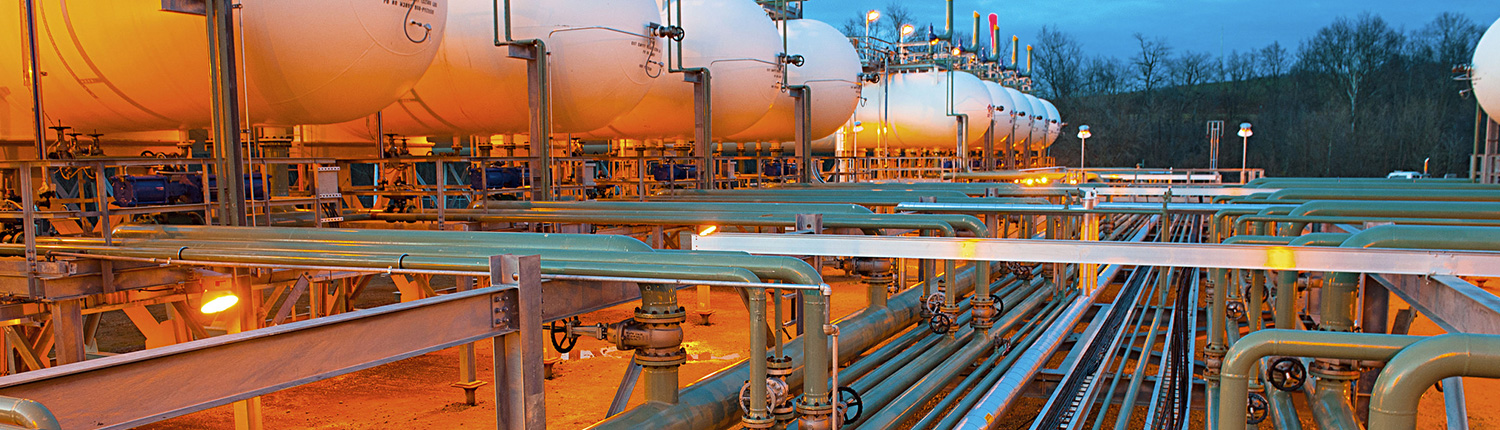
On the 15th of October 2018, the Florence School of Regulation and Gas Infrastructure Europe (GIE) jointly organised the policy workshop “Towards “Net Zero” Methane Emissions in the Gas Sector – Challenges and Opportunities”.
Methane is the second most important anthropogenic GHG after CO2. Although, its annual emissions are only a fraction (less than 5%) of those of CO2, it is much more potent than carbon dioxide. Moreover, methane stays in the atmosphere for only 12 years, whereas 22% of CO2 remains in the atmosphere for an indefinite time (Balcombe, 2018, pp. 9-12). For these reasons, the decrease in methane emissions would have an immediate impact.
Oil and gas supply chains are the second largest anthropogenic source of methane emissions. Although gas combustion produces less CO2, methane emissions along the value chain may compromise climate benefits associated with the use of gas over other fossil fuels. This issue will become even more important with the progressing decarbonisation of the energy system. As a result, the role of gas in the future of global energy, as a source of flexibility and seasonal storage supporting the electricity system, will depend on the ability of the gas sector to address these environmental concerns.
During the first session of the workshop, representatives from key gas companies and organisations (ENI, Enagas, UNECE, Marcogaz, Gazprom and International Gas Union) presented the voluntary actions and best practices that their companies are undertaking to abate methane emissions. As it turns out, European companies have been active in their pursuit of tackling these issues for a few years now.
However, high uncertainty regarding the measurement of methane emissions and lack of sufficient data transparency may require additional efforts such as more stringent regulation. The second session addressed this, with speakers agreeing that fact-based regulation could have a significant impact on the efficiency of the actions to reduce the methane emissions.
Both gas companies and the European Commission will continue to work on this challenge. One of the workshop outcomes was the inclusion of a statement on methane emissions in the conclusions from the 31st Madrid Forum, which took place on 16-17 October 2018.
The key take-aways:
- Gas vs coal: Gas has considerably better environmental credentials than other fossil fuels, but its long-term use depends not from the comparison with other fossil fuels, but from the industries advancement in decreasing carbon emissions.
- The industry: As of the early 1990s, companies based in North America were front-runners of the global efforts to limit methane emissions. European companies are now catching up and in recent years have adopted a set of voluntary actions and best practices.
- Super emitters: The abatement of methane emissions produced by the super emitters (heavy tail) could be an efficient measure. However, a significant degree of uncertainty regarding the measurement of emissions prevents more concrete regulation and actions.
- Regulation: Regulation on methane emissions should be performance- and fact- based. The regulation should take into account the size of the regulated companies, as the regulatory burden may affect small and medium enterprises (SMEs) differently than big international companies and impact final consumer prices.
- Distribution: Gas distribution is a key sector in which the EU could reduce methane emissions.
- The EU’s global impact: EU regulation on methane emissions may have a significant global influence due to the fact that the EU is the biggest gas importer open to gas supplies from different origins, both pipeline and LNG.
- The EU Commission is planning to publish the new EU Strategy on Methane Emissions in 2020/2021.

Don’t miss any update on this topic
Sign up for free and access the latest publications and insights