


TOM keyword: Common Agricultural Policy
Lorem Ispsum
A Vision to promote quality and foster fair trade
This is the fourth and conclusive installment of the Topic of the Month on the new Common Agricultural Policy
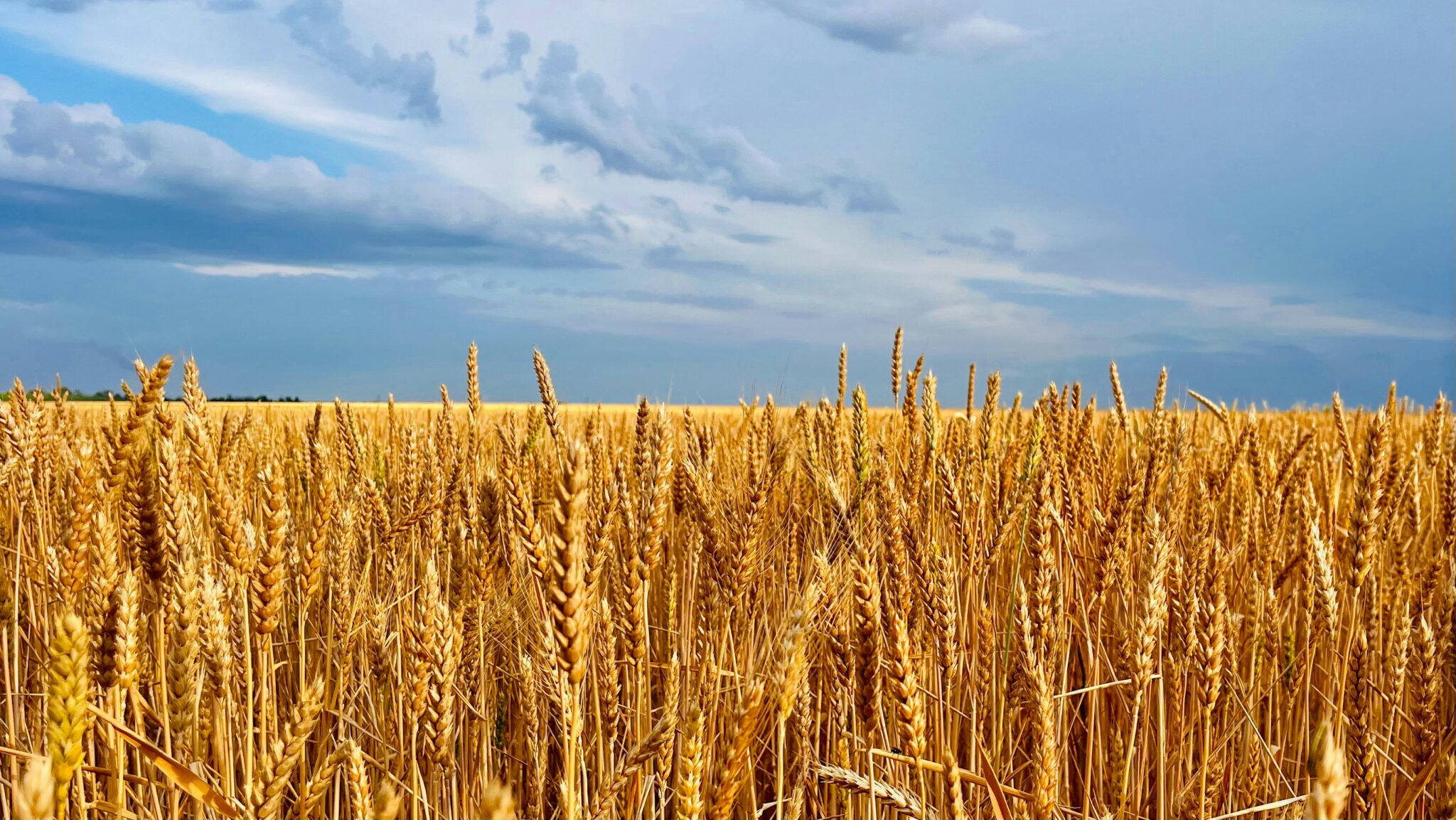
The EU is one of the largest and most valued importers of agricultural products[1]. It maintains some of the world’s most stringent food safety standards[2] and strict controls over plant and animal health, aimed at preventing the import of pests and diseases. These measures significantly influence and shape the EU’s trade relations with third countries.
Food safety standards
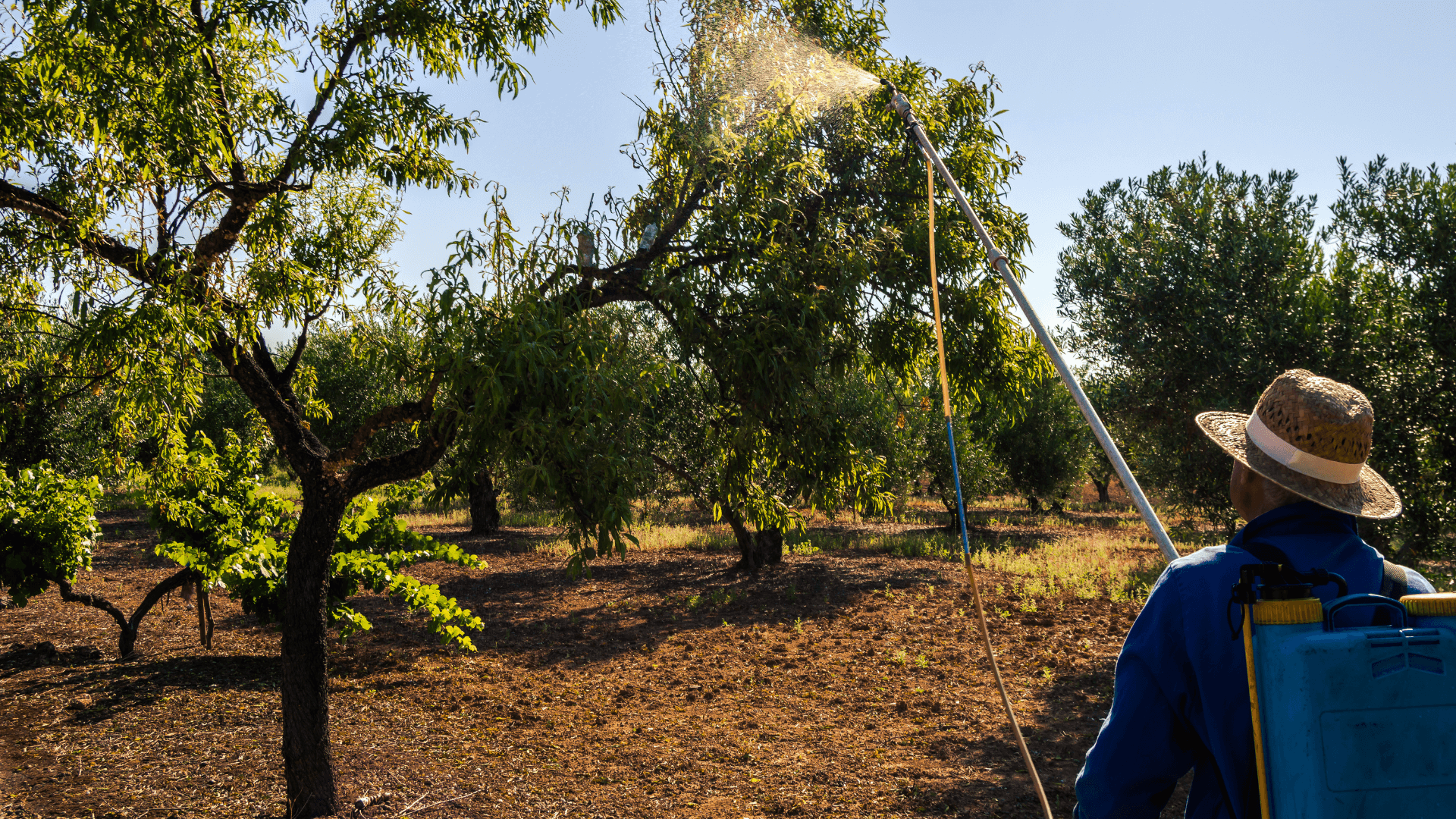
Invasive alien pests pose serious threats to indigenous agriculture, natural ecosystems, and biodiversity in every country. Without adequate controls, pests and plant diseases can spread rapidly through global trade, causing significant economic losses and environmental damage. Effective phytosanitary systems therefore form the backbone of safe and predictable international trade, ensuring that agricultural products move across borders without introducing harmful organisms. Sanitary and phytosanitary (SPS) measures are designed to prevent plant health risks while reconciling trade objectives with domestic protection goals. They facilitate trade among partners with aligned standards and help maintain high levels of protection without unnecessarily restricting trade[3]. These measures also reflect a shared responsibility among trading partners, requiring cooperation, transparency, and compliance with agreed rules. These risks underscore the importance of harmonized regulatory measures and robust official controls to safeguard plant health while enabling trade.
The EU Plant Health Law
The establishment of harmonized rules for sampling and visual inspections used in physical checks has significantly strengthened the system of official controls[4], while the recent announcement of an increased number of checks is expected to enhance detection capacity. The EU Plant Health Law[5] has created a coherent and transparent framework for managing import-related pest risks by extending phytosanitary certification requirements[6] to regulated non-quarantine pests[7], structuring temporary derogations from import prohibitions[8], and listing high-risk plants and plant products[9]. It also formalizes procedures for recognizing the equivalence of pest risk mitigation measures and enhances the use of plant passports[10] and digitalized post-import controls. Implementing legislation[11] establishes detailed phytosanitary requirements governing trade in plants and related commodities. Preventive action now extends beyond border controls through expanded certification obligations[12]. The regulatory framework is evolving to enhance safety while minimizing compliance costs and reducing border rejections[13].
Effective food safety and plant health standards are central to protecting human health, the environment, and the sustainability of agri-food systems, while enabling international trade[14]. Maximum Residue Limits (MRLs) for pesticides play a key role in consumer protection and are intended to facilitate trade between countries. However, the stringency of EU MRLs may create challenges for producers in third countries by increasing compliance costs, contributing to border rejections, and restricting market access. At the same time, European stakeholders advocate stricter rules, particularly regarding active substances prohibited in the EU. Divergent pesticide residue regulations between the EU and other major economies are becoming a contentious issue in global agri-food trade[15].
The Vision for Agriculture and Food
In its Vision for Agriculture and Food, the European Commission announced stronger alignment of production standards for imports[16], including a principle preventing the re-entry of the most hazardous banned pesticides through imported products, supported by an ongoing impact assessment.
Beyond regulatory measures, broader trade and diplomatic strategies are necessary to ensure stable, resilient agri-food systems globally. Agri-food economic diplomacy will play an increasingly important role. Wars and conflicts threaten trade relationships and exacerbate countries’ food insecurity[17]. Conversely, the deliberate weaponization of food insecurity can further destabilize regions. In response, the EU continues to strengthen ties with willing partners, including through the Global Gateway investment strategy, which aims at fostering the competitiveness of agricultural value chains and supporting resilient, sustainable food systems.
[1] Data retrieved, in December 2025, from the USDA, under the “International Markets & U.S. Trade”, available at: https://www.ers.usda.gov/topics/international-markets-us-trade.
[2] EC (2025a). A Vision for Agriculture and Food. Shaping together an attractive farming and agri-food sector for future generations. Brussels, 19.2.2025, COM(2025) 75 final. Available from https://eur-lex.europa.eu/legal-content/EN/TXT/PDF/?uri=CELEX:52025DC0075.
[3] Santeramo, F. G., & Lamonaca, E. (2022a). On the trade effects of bilateral SPS measures in developed and developing countries. The World Economy, 45(10), 3109-3145
[4] Soto Embodas, I., Di Bartolo, F., Kammenou, M., Scalia, R., Sanchez Fernandez, B. and Barreiro Hurle, J. (2021a). Enforcement, effectiveness, cost and benefits of the phytosanitary measures relating to imports into the EU: the Official Controls Regulation case, EUR 30914 EN, Publications Office of the European Union, Luxembourg, 2021, ISBN 978-92-76-45184-6, doi:10.2760/334623, JRC126790
[5] Official Journal of the European Union (OJEU) (2016). Regulation (EU) 2016/2031 of the European Parliament of the Council of 26 October 2016 on protective measures against pests of plants, amending Regulations (EU) No 228/2013, (EU) No 652/2014 and (EU) No 1143/2014 of the European Parliament and of the Council and repealing Council Directives 69/464/EEC, 74/647/EEC, 93/85/EEC, 98/57/EC, 2000/29/EC, 2006/91/EC and 2007/33/EC. L317 4-104
[6] For imports, all plants and living plant parts entering the EU must be accompanied by a phytosanitary certificate, with limited exemptions (pineapples, coconuts, durians, bananas, and dates). More details available from https://food.ec.europa.eu/plants/plant-health-and-biosecurity/plant-health-rules_en.
[7] Expected to take effect from July 2026.
[8] Subject to evidence-based reporting by exporting countries.
[9] The establishment of a Union Plant Health Team enhances the EU’s capacity for rapid technical intervention in the event of new pest outbreaks, including cooperation with non-EU countries where outbreaks pose a direct risk to the Union.
[10] Within the EU, plant passports function as official labels ensuring that plants moved between professional operators comply with plant health requirements. The system has proven largely effective in mitigating major plant health risks.
[11] Regulation (EU) 2019/2072, available at: https://eur-lex.europa.eu/eli/reg_impl/2019/2072/oj/eng
[12] Soto Embodas, I., Di Bartolo, F., Kammenou, M., Scalia, R., Charels, D., Sanchez Fernandez, B. and Barreiro Hurle, J. (2021b). Enforcement, effectiveness, costs, and benefits of the phytosanitary measures for imports into the EU: The Specific Import Procedures case, EUR 30909 EN, Publications Office of the European Union, Luxembourg, 2021, ISBN 978-92-76-44742-9, doi:10.2760/369852, JRC126792
[13] Interested readers may refer to the FSR policy debate “The evolving EU framework for phytosanitary measures”: https://fsr.eui.eu/event/the-evolving-eu-framework-for-phytosanitary-measures/
[14] The Non-Tariff Measures for the protection of the environment (environmental NTMS) have expanded rapidly, becoming a central element of global climate and sustainability strategies, and have progressively expanded into agriculture. The END database documents all publicly traceable environmental technical measures implemented since 2008: https://globalgovernanceprogramme.eui.eu/project/a-global-environmental-non-tariff-measures-database/
[15] Interested readers may refer to the FSR policy debate “From vision to implementation: Pesticide standards and international trade”: https://fsr.eui.eu/event/from-vision-to-implementation-pesticide-standards-and-international-trade/
[16] The Commission has launched in 2025 the Impact Assessment to consider the impacts on the EU’s competitive position and the international implications.
[17] Afesorgbor, S. K., Santeramo, F., & Steinbach, S. (2025). Global Governance, Economic Sanctions and Agricultural Trade in a Fragmenting World Economy. The World Economy, 48(10), 2290-2294.
Don’t miss any update on this topic
Sign up for free and access the latest publications and insights








Innovation as a Cornerstone of the Next Common Agricultural Policy
This is the third installment of the Topic of the Month on the new Common Agricultural Policy
The forthcoming reform of the Common Agricultural Policy (CAP) signals a further shift in how innovation is conceived, financed, and governed within EU agricultural and rural policy. Innovation is a central lever to enhance competitiveness, sustainability, resilience, and fairness across the agri-food system. This shift is reflected both in the proposed budgetary architecture of the next Multiannual Financial Framework (MFF)[1] and in the integration of the CAP within the new National and Regional Partnership Plans (NRPPs)[2].
Budget for CAP post 2028
The proposed National and Regional Partnership Fund will amount to EUR 865 billion.
At least EUR 293.7 billion will be dedicated to support farmers’ incomes. About EUR 453 billion will be dedicated to strengthen income support measures, innovation, and rural initiatives such as LEADER and local cooperation. EUR 6.3 billion will be available, through the Unity Safety Net, to handle market crises.
The proposed MFF allocates EUR 409 billion to competitiveness, including EUR 234.3 billion for the new European Competitiveness Fund (ECF)[3] and EUR 175 billion for the next Horizon Europe programme—almost double its current budget[4]. The tight linkage between Horizon Europe and the ECF marks a structural innovation in EU policymaking: research, innovation, scale-up, manufacturing, and market deployment are designed as a continuous investment journey. This approach directly addresses long-standing gaps between research outcomes and real-world uptake, which have traditionally constrained innovation in agriculture and rural areas.
The ECF and the competitiveness component of Pillar II of the next Horizon Program will be defined along found strategic policy windows, respectively dedicated to I) Clean Transition and Industrial Decarbonisation; II) Health, Biotech, Agriculture and Bioeconomy; III) Digital Leadership; IV) Resilience and Security, Defence Industry, and Space. As for agriculture and the agri-food sector, the policy window “Health, Biotech, Agriculture and Bioeconomy” is of particular relevance. With a combined allocation of EUR 40 billion, split almost evenly between Horizon Europe and the ECF, this window prioritizes technologies, services, and business models that can strengthen farm competitiveness, reduce environmental pressures, and enhance food security. The flexibility embedded in the ECF allows rapid responses to emerging risks, technological opportunities, and market disruptions—an essential feature in a sector increasingly exposed to climate, geopolitical, and economic uncertainty[5]. Within this framework, the European Competitiveness Fund introduces new instruments with direct relevance for agri-food innovation.
These include support for scaling up single market value chains, backing EU tech frontrunners and their SME suppliers, financing production ramp-up actions, and providing top-ups for Important Projects of Common European Interest [6](IPCEIs). Through the InvestEU portal[7] that is connecting investors and project promoters and organizing the info in an EU-wide database of investment opportunities available within the EU, the ECF will also support start-ups and scale-ups in agriculture, forestry, and food systems. The continued role of the European Investment Bank further reinforces the capacity to crowd in private capital and retain high-potential innovations within Europe.
CAP itself remains a major anchor of stability
Under the NRPP proposal, EUR 293.7 billion remain ringfenced for farmers’ income support, while Member States gain access to substantial non-ringfenced resources—EUR 453 billion—to address CAP priorities through integrated programming. Additional flexibility, including early access to mid-term review funds and a strengthened Unity Safety Net, enhances the capacity to support innovation-oriented investments in times of crisis[8]. The Commission proposed amending the NRP Regulation to introduce a dedicated rural target, requiring at least 10% of NRP funding (after deducting CAP income support) to be allocated to rural areas, creating space for territorially coordinated innovation in infrastructure, services, and value chains. This is likely to have very diverse impacts across Member States, with gains more pronounced for recently acceded countries (e.g. Slovakia, Poland and Hungary) and smaller increases for the older MSs[9].
CAP, Horizon Europe, and the European Competitiveness Fund
Another important aspect of the new CAP will be the exploitation of synergies between CAP, Horizon Europe, and the European Competitiveness Fund. For example, research funded under Horizon Europe can deliver climate-resilient crops, digital decision-support tools, precision farming technologies, or low-input production systems. Synergically, the ECF can support their testing, industrial scaling, and market deployment, while NRPPs and CAP measures enable local uptake and diffusion. These integrated territorial approaches will align farm-level support with wider economic, environmental, and social objectives.
The proposed changes foster new forms of cooperation, governance, financing, and skills development. By embedding innovation and leveraging a more integrated EU budget, the future CAP has the potential to move beyond incremental adjustment and become a strategic driver of structural change in European agriculture and rural areas.
- [1] Details are provided on the website of the EU commission: https://commission.europa.eu/strategy-and-policy/eu-budget/long-term-eu-budget/eu-budget-2028-2034_en
- [2] Interested readers may delve on the proposal put forward by the Commission: https://www.europarl.europa.eu/thinktank/it/document/EPRS_BRI(2026)782606
- [3] Details available here: https://commission.europa.eu/publications/european-competitiveness-fund_en
- [4] More details here: https://research-and-innovation.ec.europa.eu/news/all-research-and-innovation-news/horizon-europe-2028-2034-twice-bigger-simpler-faster-and-more-impactful-2025-07-16_en
- [5] Comparisons could and should be done with programs developed in other advanced economies to avoid drawbacks that are repeatedly shaping the evolution of publicly-supported risk management programs.
- Santeramo, F. G., & Ford Ramsey, A. (2017). Crop Insurance in the EU: Lessons and Caution from the US. EuroChoices, 16(3), 34-39.
- Cordier, J., & Santeramo, F. (2020). Mutual funds and the Income Stabilisation Tool in the EU: Retrospect and Prospects. EuroChoices, 19(1), 53-58.
- [6] The IPCEIs may represent a significant contribution to competitiveness for the European Union as it connects knowledge, expertise, financial resources, and economic actors, enhancing positive spillovers. More details on IPCEI are provided by the Commission: https://competition-policy.ec.europa.eu/state-aid/ipcei_en
- [7] The portal is accessible at this link: https://investeu.europa.eu/investeu-programme/investeu-portal_en
- [8] Importantly, the Unity Safety Net will be devoted to stabilizing agricultural markets in times of market disturbances, while it will not compensate for direct losses suffered by farmers due to natural disasters. The effects of natural disasters. As established in the Article 34 of the European Fund Regulation, Member States will be allowed to amend their NRP Plans to provide support in response to natural disasters. Further details are explained in this blog post: https://capreform.eu/changes-proposed-to-the-management-of-agricultural-crises/
- [9] Alan Matthews, member of the FSR Advisory Board, offers interesting insights on these aspects in one of his recent blog posts: https://capreform.eu/potential-increase-in-cap-funding-in-next-mff/
Don’t miss any update on this topic
Sign up for free and access the latest publications and insights
More on the topic








Performance and Tracking in the Common Agricultural Policy
This is the second installment of the Topic of the Month on the new Common Agricultural Policy
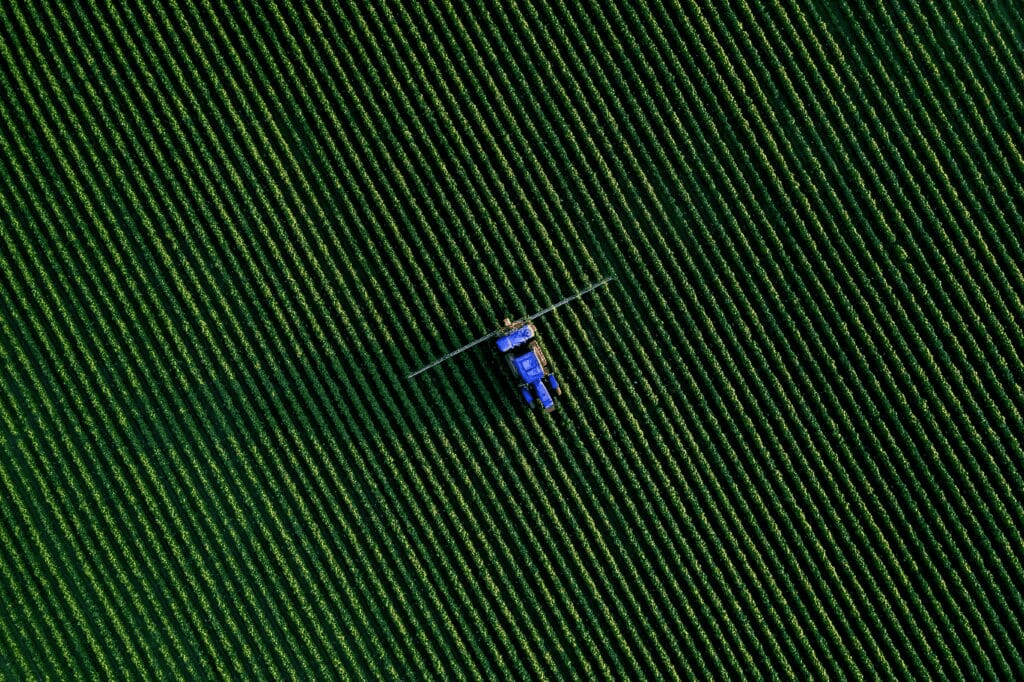
Performance and Tracking in the Common Agricultural Policy
Evaluation is a key component of policy planning and rests on three pillars: methods, data, and interpretation. The economic situation of EU farms is well documented, since 1989, by the FADN database[1], adopted in a very large number of studies, reports, and policy papers. Nevertheless, the efforts of the European Commission to further strengthen evaluation practices are noteworthy. This note focuses on recent developments[2].
CAP Strategic Plans
Under Regulation (EU) 2021/2115[3], CAP Strategic Plans were stand-alone programming instruments, approved, implemented, and monitored through procedures specific to agricultural policy and unrelated to governance arrangements applied to other EU funds. The proposed Regulation on National and Regional Partnership Plans (NRPPs)[4] departs from this approach. In the new architecture, the CAP would be no longer separate, but a dedicated “chapter” within an integrated Partnership Plan covering cohesion policy, climate action, and other EU priorities.
This shift reflects a reorientation of EU governance. By aligning agricultural policy with the programming, approval, and monitoring procedures used across the EU budget, the Commission strengthens cross-sectoral coherence and strategic consistency. This integration reduces historical procedural autonomy of the CAP.
The Performance Monitoring and Evaluation Framework
The process of monitoring and evaluating CAP interventions[5] is currently shaped by the Performance Monitoring and Evaluation Framework (PMEF), set by the Regulation (EU) 2021/2115. The PMEF defines how to track progress towards predefined targets and assesses the effectiveness and efficiency of CAP implementation[6]. The structured hierarchy of output, result, impact, and context indicators are the backbone of monitoring, evaluation and reporting (MER)[7].
Member States (MSs) set targets and annual milestones for result indicators linked to the CAP’s specific objectives and reported annually, to the Commission, on progress through an Annual Performance Report. MS have the possibility to apply corrective action plans, in cases of significant and unjustified underperformance.
Member States (MSs) set targets and annual milestones for result indicators linked to the CAP’s specific objectives and reported annually, to the Commission, on progress through an Annual Performance Report. MS have the possibility to apply corrective action plans, in cases of significant and unjustified underperformance.
The proposed Performance Regulation accompanying COM(2025) 545[8] reshapes this framework. It introduces a common EU list of “intervention fields” and associated indicators, following practice used for several years in cohesion policy and formalised in the Common Provisions Regulation (EU) 2021/1069. This approach requires EU spending to be classified according to a common nomenclature of intervention types. The extension of this paradigm to agriculture is consistent with the ambition to harmonise performance reporting across policy areas.
The proposed Regulation defines 33 (very heterogenous) intervention fields for agriculture[9]. Some are broad, such as targeted income support for farmers or support for the environmental and climate transition. Others are specific, addressing territorial or sectoral situations, such as support for agricultural production in the specific regions. While the intervention fields are intended to standardize reporting, they largely mirror the structure of CAP interventions and mandatory requirements. As a result, the specificity of agricultural measures is preserved, even within a more uniform reporting framework.
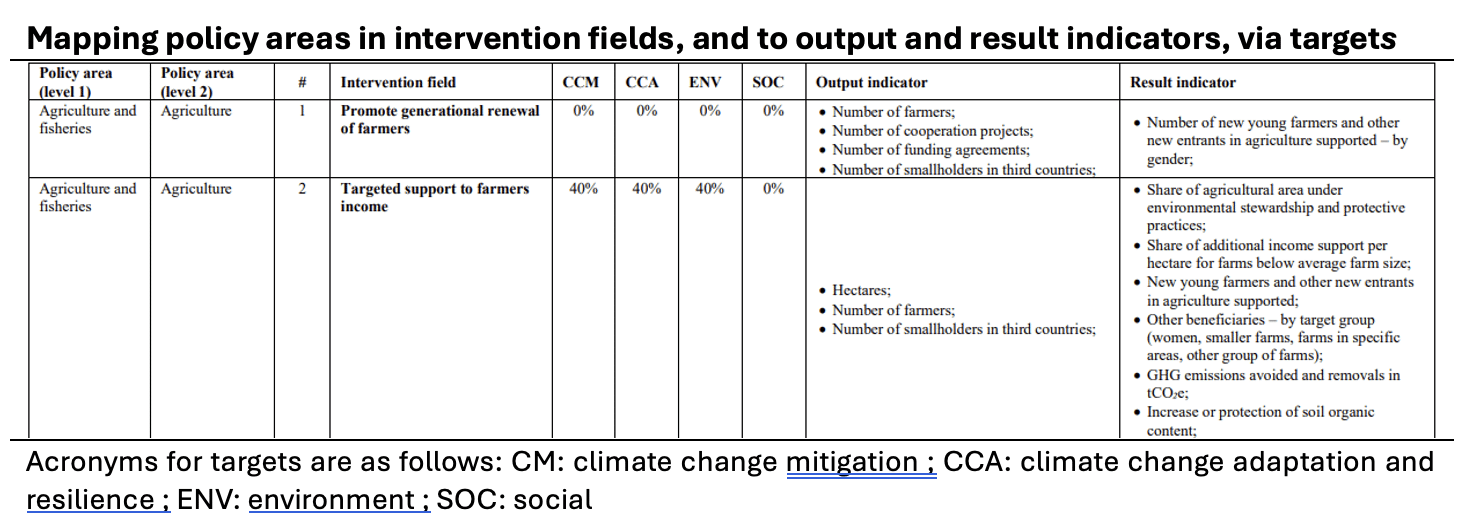
Each intervention field is linked to two distinct sets of indicators. The first is used for horizontal expenditure tracking. EU-wide coefficients are applied to each field to quantify contributions (‘targets’) to climate action, climate adaptation and resilience, environmental objectives, and social priorities. This allows the Commission to aggregate spending across all EU programmes and assess how far the overall EU budget is aligned with these cross-cutting priorities. In this respect, agricultural expenditure becomes fully comparable with spending under cohesion or other policy areas[10].
Framework for expenditure tracking across intervention fields
The system tracks EU expenditure by assigning each funded measure to a predefined “intervention field” that reflects the type of activity supported. Each intervention field carries fixed tracking coefficients (for example 0%, 40%, or 100%) indicating its contribution to horizontal priorities such as climate, environment, or gender equality. By applying these coefficients to actual spending, the Commission can aggregate expenditure consistently across programmes, management modes, and Member States. This harmonised classification allows EU-wide reporting on how much of the budget supports cross-cutting objectives, while remaining compatible with programme-specific design and implementation.
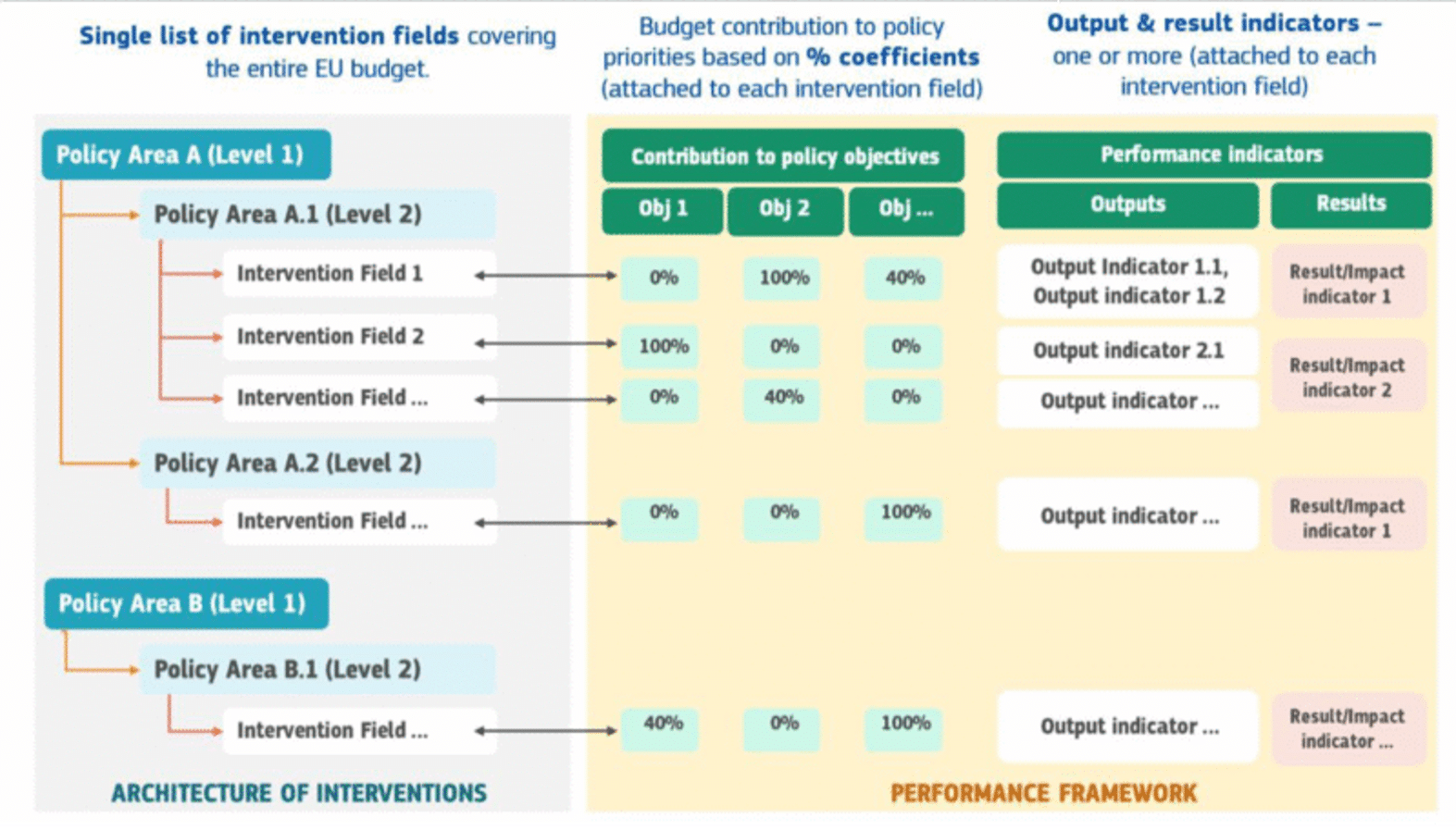
Several changes emerge from this new performance framework. First, milestones and targets would be set only for output indicators, not for result indicators. Under the current CAP, milestones were understood as intermediate values linked to result indicators, designed to ensure timely progress towards policy objectives. In the new framework, milestones may be qualitative and targets quantitative, both anchored primarily in outputs rather than outcomes. Result indicators are no longer serving as binding targets.
Second, Member States retain flexibility to revise the estimated values of result indicators during the programming period, for example at the mid-term review. Progress in outputs and developments in results must both be reported annually, but only output targets are formally tied to the financial architecture of the Plan. If output targets are not achieved, the Member State will not receive the funding it had anticipated. Unlike the current CAP framework, however, there is no explicit corrective mechanism, no automatic adjustment procedure, and no formal system of financial penalties linked to underperformance. Member States may request amendments to their Plans. In duly justified cases, the Commission may also propose amendments or the introduction of new measures[12].
Another feature of the proposed Regulation is the absence of explicit references to impact and context indicators. While the recitals to the CAP Strategic Plans Regulation recognise their importance, the new Performance Regulation states that the Commission may introduce additional monitoring and reporting elements in the future. Impact and context indicators may re-emerge through secondary legislation or guidance, but their role is no longer formally embedded in the core regulatory framework.
In sum, the proposed performance framework reflects a shift in the governance of agricultural policy. The CAP becomes more integrated into the EU’s general budgetary and performance architecture, with emphasis on harmonisation, expenditure tracking, and output-based accountability. The framework places less formal weight on outcomes and impacts, relying instead on reporting, dialogue, and flexibility. The effectiveness and efficacy of this approach will likely depend less on the regulatory design itself than on how MSs and the Commission choose to use the tools it provides.
- [1] Data are available here: https://agridata.ec.europa.eu/extensions/FarmEconomyFocus/FADNDatabase.html
- [2] Some elements of the present note have bene discussed with DG AGRI, JRC and Research Institutions in the webinar “Learning from the Past: lessons for the new Common Agricultural Policy”, part of the FSR agenda on Agriculture and Food.
- [3] The regulation is available at: https://cybsec.lawthek.eu/detail/3f120593-3aab-42af-863e-9c8cf0a2cb13/en/SINGLE
- [4] Interested readers may find more info here: https://www.europarl.europa.eu/RegData/etudes/BRIE/2026/782606/EPRS_BRI(2026)782606_EN.pdf
- Furthermore, the EU Reg. 2022/1475 provides detailed rules for monitoring and evaluating the CAP Strategic Plans for the 2023-2027 period. It sets common data collection methods for performance assessment (i.e. data on beneficiaries, as provided in the DIB) and sector-specific data. It also defines how Member States should assess effectiveness, efficiency, relevance, and coherence.
- [5] The detailed Catalogue of CAP interventions is provided by DG AGRI at https://agridata.ec.europa.eu/extensions/DashboardCapPlan/catalogue_interventions.html
- [6] The PMEF sets guidelines for the reporting, monitoring and evaluation of the performance during the implementation of the CAP Strategic Plans: https://eu-cap-network.ec.europa.eu/topics/performance-monitoring-and-evaluation-framework-pmef_en
- [7] The PMEF Data Explorer provides detailed information on PMEF indicators related to the CAP 2023-2027: https://agridata.ec.europa.eu/extensions/DashboardIndicators/DataExplorerPMEF.html
- [8] Available at: https://eur-lex.europa.eu/legal-content/AUTO/?uri=CELEX:52025PC0545&qid=1768834737959&rid=1
- [9] The intervention fields are 40 if forestry is included. The full list of intervention fields, for agriculture and the other sectors, is avaialbl ein the Annex I, at the following link: https://eur-lex.europa.eu/legal-content/EN/TXT/?uri=CELEX:52025PC0545
- [10] Within this revised performance and tracking architecture, research institutions such as the Joint Research Centre (JRC) and the European University Institute (EUI) can play a key role in supporting evidence-based governance. By providing independent analytical capacity, advanced modelling and evaluation tools, and policy-oriented research, these institutions can assist both the Commission and Member States in interpreting performance information and situating it within a broader strategic context.
- [11] The document is available at: https://eur-lex.europa.eu/legal-content/EN/TXT/HTML/?uri=CELEX:52025SC0590
- [12] Nonetheless, the absence of a clear enforcement mechanism means that the distinction between binding output targets and indicative result values may, in practice, be less significant than it appears on paper.
Don’t miss any update on this topic
Sign up for free and access the latest publications and insights
More on the topic

Understanding the Common Agricultural Policy’s new direction
This is the first installment of the Topic of the Month on the new Common Agricultural Policy
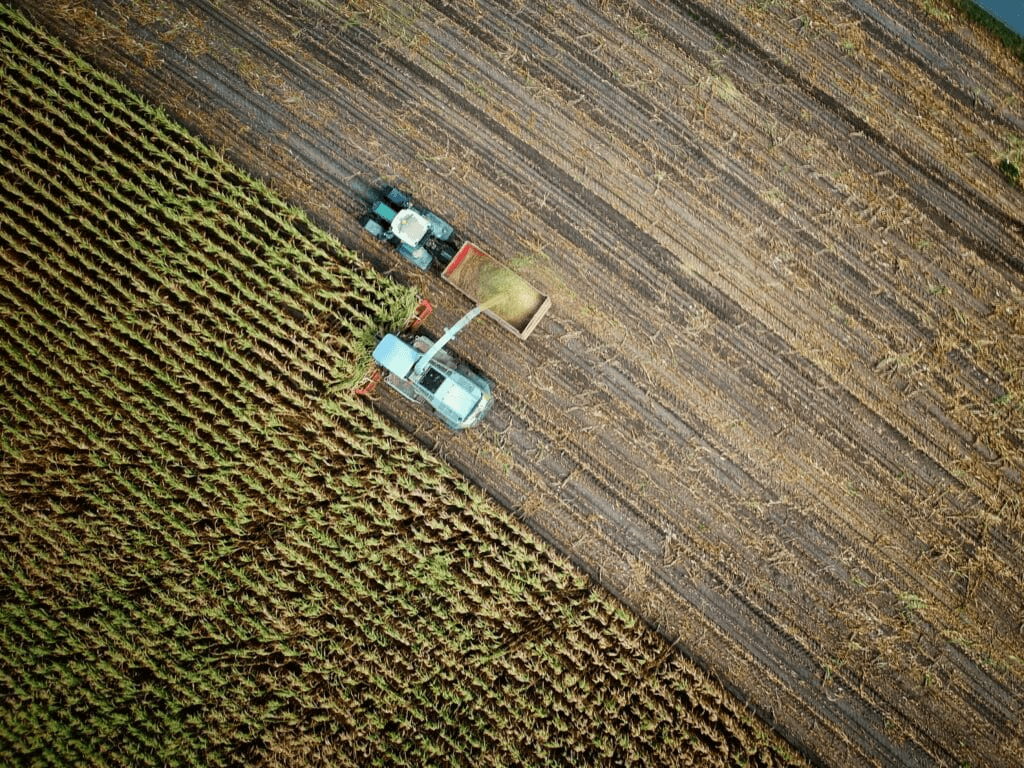
Toward a Fairer and Better Targeted Income Support for Farmers
The reform of the Common Agricultural Policy (CAP) for the 2028–2034 cycle arrives at a moment when European agriculture is undergoing profound transitions. Farmers are affected by volatile markets, higher input costs, more frequent climate-related shocks, and increasing societal expectations about sustainability[1]. Against this background, the way Europe supports farm incomes is more than a budgetary exercise: it is a test of policy vision, distributional fairness, and long-term strategic alignment.
The European Commission’s factsheets[2] offer concise yet substantial preview of how CAP will evolve. A major shift in how the EU conceives of fairness and effectiveness within the CAP will aim not only to stabilize farm income, but to ensure that public resources reach those who genuinely rely on agriculture, who face structural vulnerabilities, and whose resilience is essential for the long-term health of the sector[3].
One of the most important changes is the introduction of the Degressive Area-Based Income Support (DABIS). This new instrument simplifies the existing landscape of direct payments[4] by integrating the basic income support, the redistributive payment, and the young farmers’ top-up into a single, more coherent structure. By doing so, it removes some of the fragmentation of the previous framework and lays the foundation for a more transparent and targeted approach.
The DABIS is based on three conceptual ideas. First, income support must reach active farmers. Second, it must be fairer and more comparable across the EU. Third, it should reflect the real conditions and needs of different types of farms.
Under the new system, Member States will be able to tailor the mix of area-based payments, lump sums, and top-ups in ways that reflect their regional specificities. The inspiring principle is that a modernised CAP cannot function with a one-size-fits-all model. The diversity of farming systems across Europe—mountain farms, mixed crop-livestock holdings, specialised livestock operations, family farms, large arable farms—requires an equally diverse set of tools. DABIS preserves uniformity where it matters (transparent rules, clear objectives) and enables differentiation where it is most effective.
A striking feature of the reform is the explicit prioritisation of certain groups of farmers to reflect genuine structural challenges documented across the EU. The emphasis on active farmers responds to long-standing concerns that subsidies have flowed to landowners with little or no agricultural activity[5]. By 2032, pensioners will no longer be eligible for these area-based payments, helping redirect resources to those who rely on farming as their main source of livelihood.
Young and new farmers also receive much greater attention. With the average age of farm managers nearing 60 and fewer than 12% of farms managed by people under 40, generational renewal has become a strategic priority. The new CAP offers both stronger financial incentives and a more integrated “starter pack” designed to facilitate access to land, investment, and the development of viable business models. Member States are encouraged to double their support for young farmers, signalling a shift from marginal encouragement to systemic support.
Equally noteworthy is the recognition of women farmers[6]. While women make up nearly one-third of the overall labour force in agriculture, they represent only about one-quarter of farm managers. The new framework acknowledges this imbalance and allows Member States to offer targeted payments or lump sums to reduce barriers for female farmers. This new scheme is expected to unlock an underutilised source of leadership, innovation, and stability in rural areas.
Small and family farms—often the backbone of rural communities—stand to benefit from simplified support through a dedicated small farm scheme. Rather than navigating multiple layers of direct payments, smaller farms may opt for a single annual payment of up to €3,000. This reduces administrative burdens while ensuring that public support remains accessible to farms with limited capacity to manage complex procedures.
The reform also pays attention to mixed farms, which combine crops and livestock and often face unique financial and logistical challenges. Member States will be able to design payment structures that reflect the specific cost patterns and environmental services provided by these more diverse systems. Likewise, farms operating in areas with natural constraints—mountain regions, remote territories, and environmentally fragile zones—will continue to receive dedicated support to ensure that agriculture remains viable in these essential landscapes.
Degressivity and capping
Perhaps the most politically significant innovation is the introduction of mandatory degressivity and capping. This mechanism acknowledges that large farms benefit from economies of scale and therefore do not require the same level of per-hectare support as smaller ones. The new rules introduce a gradual reduction in payments above defined thresholds and establish a hard cap at €100,000 per farm.
The structure is expected to work as follows: no reduction up to €20,000; a 35% reduction between €20,000 and €50,000; 50% reduction between €50,000 and €75,000; 75% reduction above €75,000; Absolute capping at €100,000. This recalibration should not penalise productivity or discourage large farms from investing. Crucially, it applies only to DABIS. Other forms of support—agri-environmental schemes, coupled payments, investment grants, support for young farmers, or climate-related interventions—remain untouched. The aim is to avoid cutting support and rather ensure that the basic income layer serves its intended purpose.
Equally significant is the requirement that funds generated through degressivity and capping must be reinvested into agriculture. Member States might channel these resources in several ways, spanning from enhancement of agri-environmental payments to improvements of biodiversity incentives, strengthening support for small farms, encouraging innovation and diversification, and supporting farms in vulnerable regions. This circular redistribution mechanism should facilitate the creation of a more balanced system while preserving flexibility for Member States to adapt it to national or regional priorities.
Fairness and interconnection
The reform also promotes greater fairness between countries. The new framework narrows the range of average per-hectare support, establishing a floor of €130/ha and a ceiling of €240/ha. This reduces long-standing disparities in direct payments across the Union, strengthening cohesion while preserving differentiation. Convergence has always been politically delicate, and the Commission’s proposal aims to bring Member States closer together without undermining national autonomy.
Beyond DABIS, the CAP’s architecture supports a more interconnected policy environment. Coupled income support will remain available to sectors facing economic or environmental pressures, including protein crops, mixed farms, and regions at risk of land abandonment. Support for areas with natural constraints continues to play a central role in sustaining rural territories that contribute to landscape preservation and biodiversity.
Agri-environmental and climate actions also gain renewed importance. Farmers who adopt more sustainable practices will be eligible for financial incentives, and those undergoing significant transitions may access lump-sum support of up to €200,000. This recognises that environmental improvements often require upfront investment, behavioural change, or temporary income losses. The transition payment is therefore not only an incentive but a buffer against risk.
What emerges from the factsheet is a coherent vision: targeting, fairness, simplicity, and environmental ambition are not separate objectives but interconnected pillars. Income support is not being reduced; it is being redirected. The reform does not attempt to homogenise European agriculture but to ensure that a stable, predictable support framework can coexist with a more nuanced understanding of where public money is most valuable.
Now it’s up to the Member States
Yet the success of this model will ultimately depend on the choices of Member States. The reform offers the architecture, but the design of the National and Regional Partnership Plans[7]—their targeting logic, eligibility conditions, and administrative arrangements—will determine whether this vision materialises. Member States will need to balance fairness with feasibility, flexibility with consistency, and national priorities with shared EU objectives.
In many ways, the reform reflects broader EU regulatory trends: a move toward performance orientation, data-driven targeting, and the linking of financial flows with measurable societal benefits. Agriculture, like energy, digital markets, or transport, is being asked to adapt to a world where public spending must demonstrate public value.
The CAP has always been a cornerstone of European integration. With the 2028–2034 reform, it takes another step toward becoming a policy that not only supports farmers, but also strengthens communities, protects landscapes, and ensures that the agricultural sector can thrive in a changing world. The challenge ahead will be to translate this ambitious framework into effective, coherent, and equitable outcomes on the ground.
- [1] Readers interested in reading more may refer to the following publications:
- Kornher, L., Balezentis, T., & Santeramo, F. G. (2024). EU food price inflation amid global market turbulences during the COVID‐19 pandemic and the Russia–Ukraine War. Applied Economic Perspectives and Policy, 46(4), 1563-1584.
- Mustafa, Z., Vitali, G., Huffaker, R., & Canavari, M. (2024). A systematic review on price volatility in agriculture. Journal of Economic Surveys, 38(1), 268-294.
- Guo, K., Li, Y., Zhang, Y., Ji, Q., & Zhao, W. (2023). How are climate risk shocks connected to agricultural markets?. Journal of Commodity Markets, 32, 100367.
- [2] Documents available here: https://agriculture.ec.europa.eu/common-agricultural-policy/cap-overview/cap-post-2027-next-eu-budget_en#national-and-regional-partnership-plans
- [3] The distribution of income support is a highly debated topic. Interested reader may delve on the topic reading the following publications:
- Marino, M., Rocchi, B., & Severini, S. (2024). Assessing the farm–nonfarm households’ income gap along the income distribution in the European Union. JCMS: Journal of Common Market Studies, 62(2), 318-340.
- Kortleve, A. J., Mogollón, J. M., Harwatt, H., & Behrens, P. (2024). Over 80% of the European Union’s Common Agricultural Policy supports emissions-intensive animal products. Nature food, 5(4), 288-292.
- Chatellier, V., & Guyomard, H. (2023). Supporting European farmers’ incomes through Common Agricultural Policy direct aids: facts and questions. Review of Agricultural, Food and Environmental Studies, 104(1), 87-99.
- [4] Readers interested in learning more on the current distribution of direct payments may refer to the following documents of the European Commission:
- European Commission (2024). Direct payments to agricultural producers. Available at: https://agriculture.ec.europa.eu/document/download/f00e2954-94a3-405f-86ec-feb69751e0ab_en?filename=direct-aid-report-2022_en.pdf&prefLang=ga
- European Commission (2024). Summery Report on the implementation of direct payments [except greening]. Available at: https://agriculture.ec.europa.eu/document/download/8707d160-1fed-45b1-aba8-bc9a6eca9846_en?filename=summary-report-implementation-direct-payements-claim-2022_en.pdf
- [5] On the eligibility for direct payments of the current CAP, readers may refer to the following publication:
- European Commission (2023). Eligibility for direct payments of the Common Agricultural Policy 2023-2027, Available at: https://agriculture.ec.europa.eu/document/download/66f112fe-8281-4366-a377-9e86d6e9bb71_en?filename=direct-payments-eligibility-conditions_en.pdf
- [6] The new strategy helps solving gender gaps that have been evident in agriculture and several other sectors. Interested readers may refer o the following publications:
- Shortall, S., & Marangudakis, V. (2022). Is agriculture an occupation or a sector? Gender inequalities in a European context. Sociologia Ruralis, 62(4), 746-762.
- Fertő, I., & Bojnec, Š. (2024). Empowering women in sustainable agriculture. Scientific Reports, 14(1), 7110.
- [7] Interested readers may refer to the following document: https://commission.europa.eu/document/download/3fb8dd83-268e-4e18-b446-cf8963719e0b_en?filename=MFF_National_Regional_Partnership_06.08.pdf
Don’t miss any update on this topic
Sign up for free and access the latest publications and insights