





Unbundling of energy undertakings in relation to Corporate Governance Principles
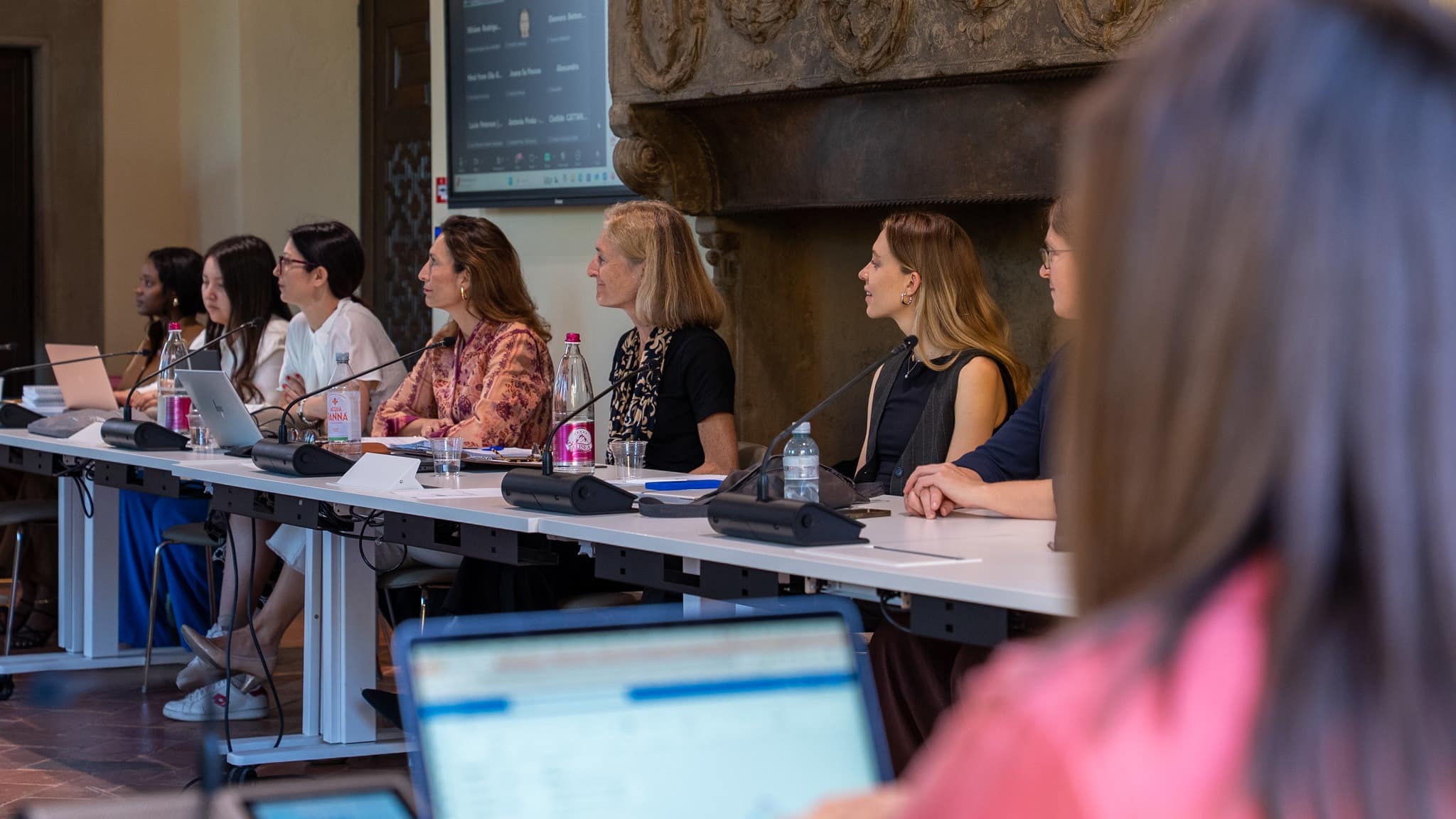
The 25th of September 2009, the European Regulators Group for Electricity and Gas (hereafter “ERGEG”) in cooperation with the Bundesnetzagentur and the Florence School of Regulation organized a Workshop on unbundling and corporate governance in the 3rd Package. The workshop was organized to present and discuss the practical impacts of implementing inter alia the 2009 Electricity Directive 2009/72/EC Natural Gas Directive 2009/72/EC (hereafter “EU-Directives”) into national law. Participants came from transmission system operators, regulatory authorities, academia and the European Commission. The objective of the workshop was to introduce those problems that might arise when transposing the new legislation into national law, namely with regard to the implementation of ownership unbundling, the new Independent System Operator (hereafter “ISO”) model and particularly the Independent Transmission Operator (hereafter “ITO”) model. In this respect, possible impacts on corporate governance rules – principally based on the 2004 OECD Corporate Governance Codex on the unbundling of energy utilities – have been highlighted.
AHNER, Nicole, Unbundling of energy undertakings in relation to Corporate Governance Principles - hdl.handle.net
Don’t miss any update on this topic
Sign up for free and access the latest publications and insights