



Short- and mid-term covid-19 effects on the aviation sector : a competition law perspective
On 19th March 2020, the European Commission adopted a Temporary Framework for State Aid measures, which is based on Article 107(3)(b)TFEU and complements other possibilities available to Member States to mitigate the social-economic impact of the COVID-19 outbreak in line with EU State aid rules, notably the possibility under Article 107(2)b TFEU to compensate specific companies or specific sectors for the damages directly caused by exceptional occurrences, such as the pandemic.
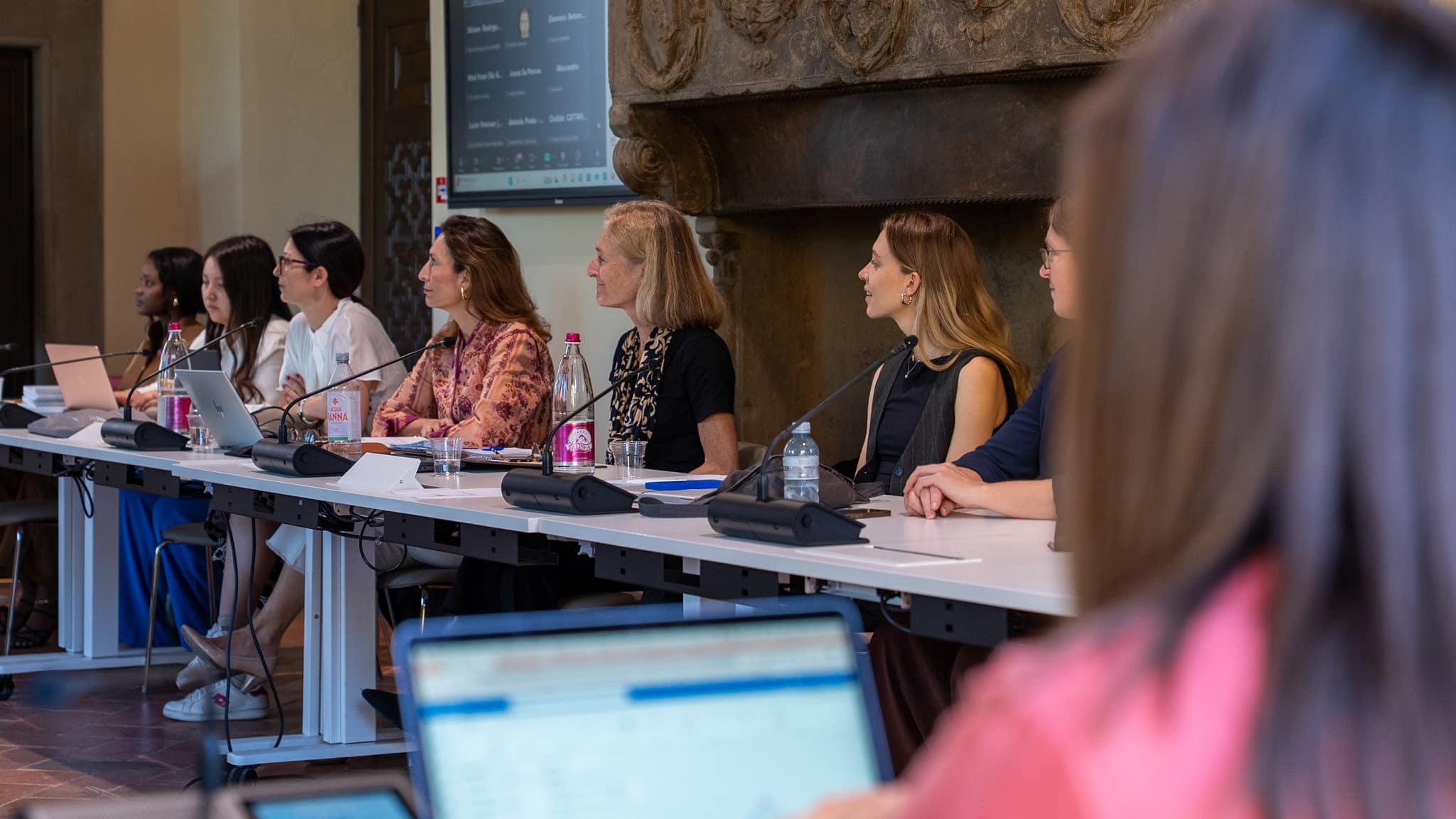
The 17th Florence Air Forum, co-organised by the Florence School of Regulation’s Transport Area together with the Commission’s DG Competition, examined the hard impact of COVID-19 on the air sector while exploring possible ways forward to ensure its recovery. More specifically, it sought to analyse whether special needs exist in the short- and mid-term period, until the Aviation Guidelines are reviewed.
Drawing on the policy debates, this brief explores investment aid and support to green investments for airports and airlines with a view to meeting the European Green Deal objectives. Furthermore, the brief looks at operating aid to regional airports, which have been particularly heavily hit by the crisis, and more specifically discusses how long these regional airports might need public support. Another aspect examined here concerns air connectivity, which constitutes an essential component of the European Single Market, as it can foster cross-border trade, promote economic growth and European integration. The pandemic’s impact on the sector has raised concerns about a substantial loss of air connectivity. In view of this, the brief reflects on the need to adopt a temporary set of rules in the short-term to restore connectivity after the COVID-19 outbreak and to adjust existing rules on start-up aid in the mid- and long-term. Last but not least, this policy brief delves into the timely topic of remedies in mergers. A new round of consolidation in the industry can be expected as a result of the financial difficulties of many airlines. In order to protect competition, effective remedies will have to be identified.
MONTERO-PASCUAL, Juan J.; FINGER, Matthias; SERAFIMOVA, Teodora, Short- and mid-term covid-19 effects on the aviation sector : a competition law perspective - hdl.handle.net
Don’t miss any update on this topic
Sign up for free and access the latest publications and insights