




Research

The School carries out applied research with the purpose of developing economically, legally, and socially-sound regulation and policy, using a multidisciplinary approach.

Independent aggregation in the nordic day-ahead market : what is the welfare impact of socializing supplier compensation payments?

This paper addresses the participation of independent aggregators (IAs) for demand response (DR) in European electricity markets. An IA is an aggregator trading the...

Authors
Tim Schittekatte KB ZB
Article
Environmental insurance and resilience in the age of natural disasters
Discover more
Policy Paper
Evaluating models of CO2 transport governance : from state-led to market-based approaches
Discover more

Executive Education

We offer different types of training: Online, Residential, Blended and Tailor-made courses in all levels of knowledge.

Policy Events

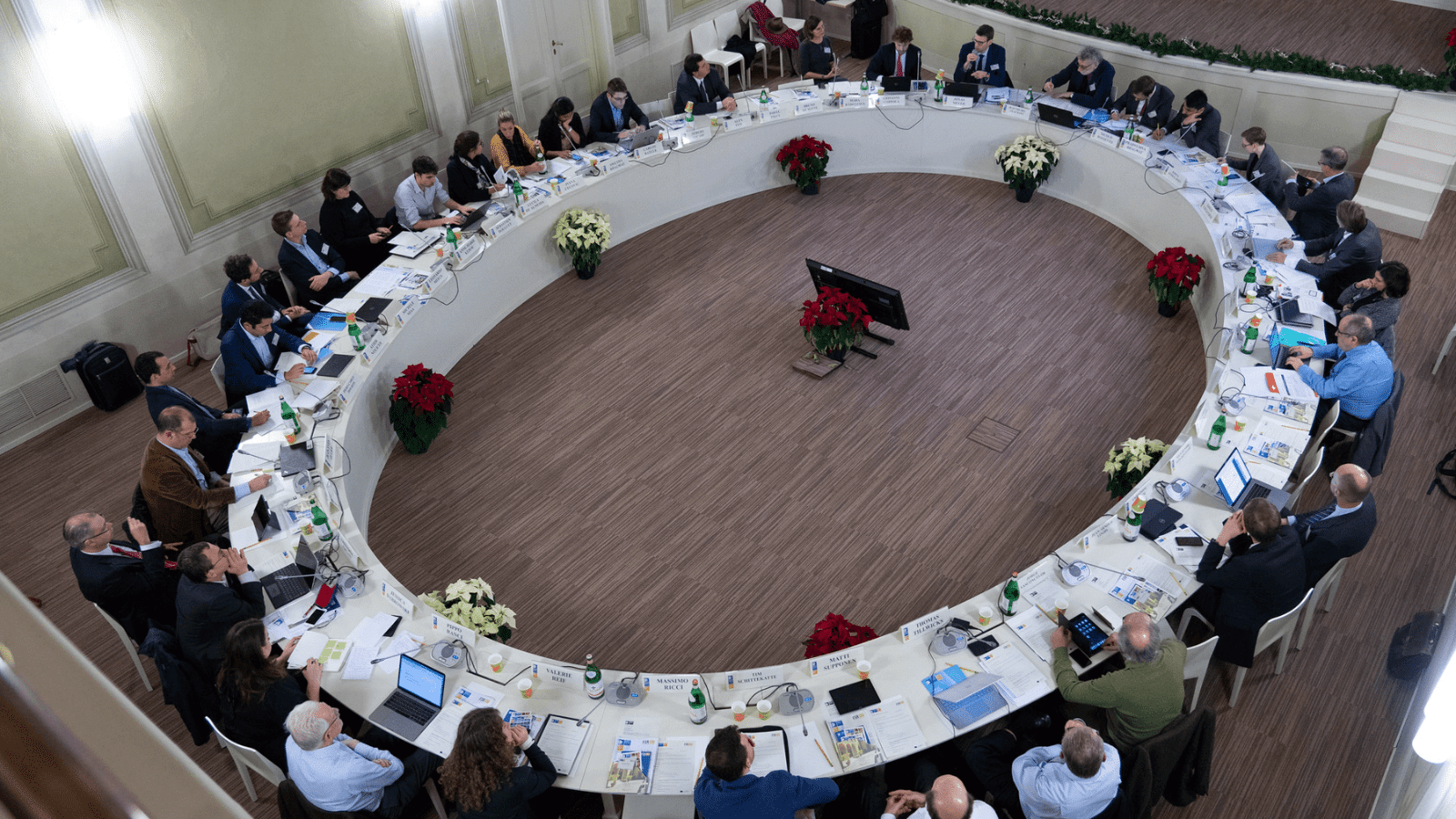
A wide range of events for open discussion and knowledge exchange. In Florence, Brussels, worldwide and online.

More

Discover more initiatives, broader research, and featured reports.

Lights on Women

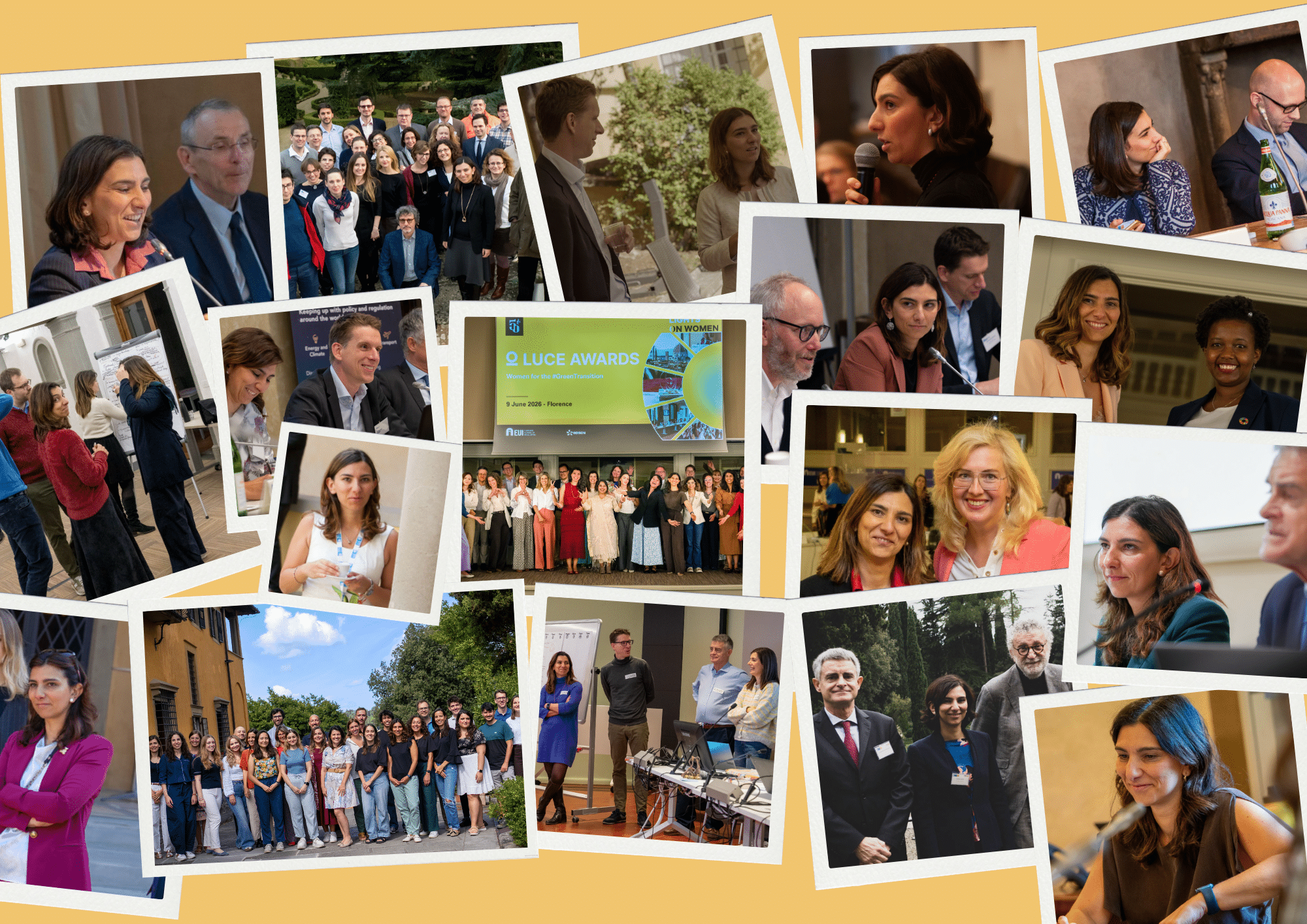
The Lights on Women initiative promotes, trains and advocates for women in energy, climate and sustainability, boosting their visibility, representation and careers.

Discover more
Publications

New Publication: A South European Perspective
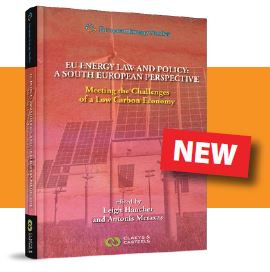
The Energy Law and Policy Area, together with the Hellenic Energy Regulatory Institute, has just published a multi-authored volume which focuses on the main energy issues currently facing Greece and the surrounding region. The edition, titled EU Energy Law & Policy: A South European Perspective is published through Claeys and Casteels and forms part of the publishers’ European Energy Studies series. The publication is a development of the papers presented at the Athens Conference on European Energy Law in late 2016. The papers closely examine the role of Greece in the EU energy market, looking at the legal and economic issues that have arisen to date, what needs to happen in the coming years, and how Greece and the East Mediterranean region might meet the challenges of a low carbon future in Europe. The discussions centre around the liberalisation of the energy markets, energy security and transnational pipeline projects with a particular focus on gas exploration in the region, the role of renewables and the EU regulatory framework post-2020, and the changing function of distribution system operators.

See more information on the publication

Don’t miss any update on this topic

Sign up for free and access the latest publications and insights

Sign up
Back to top