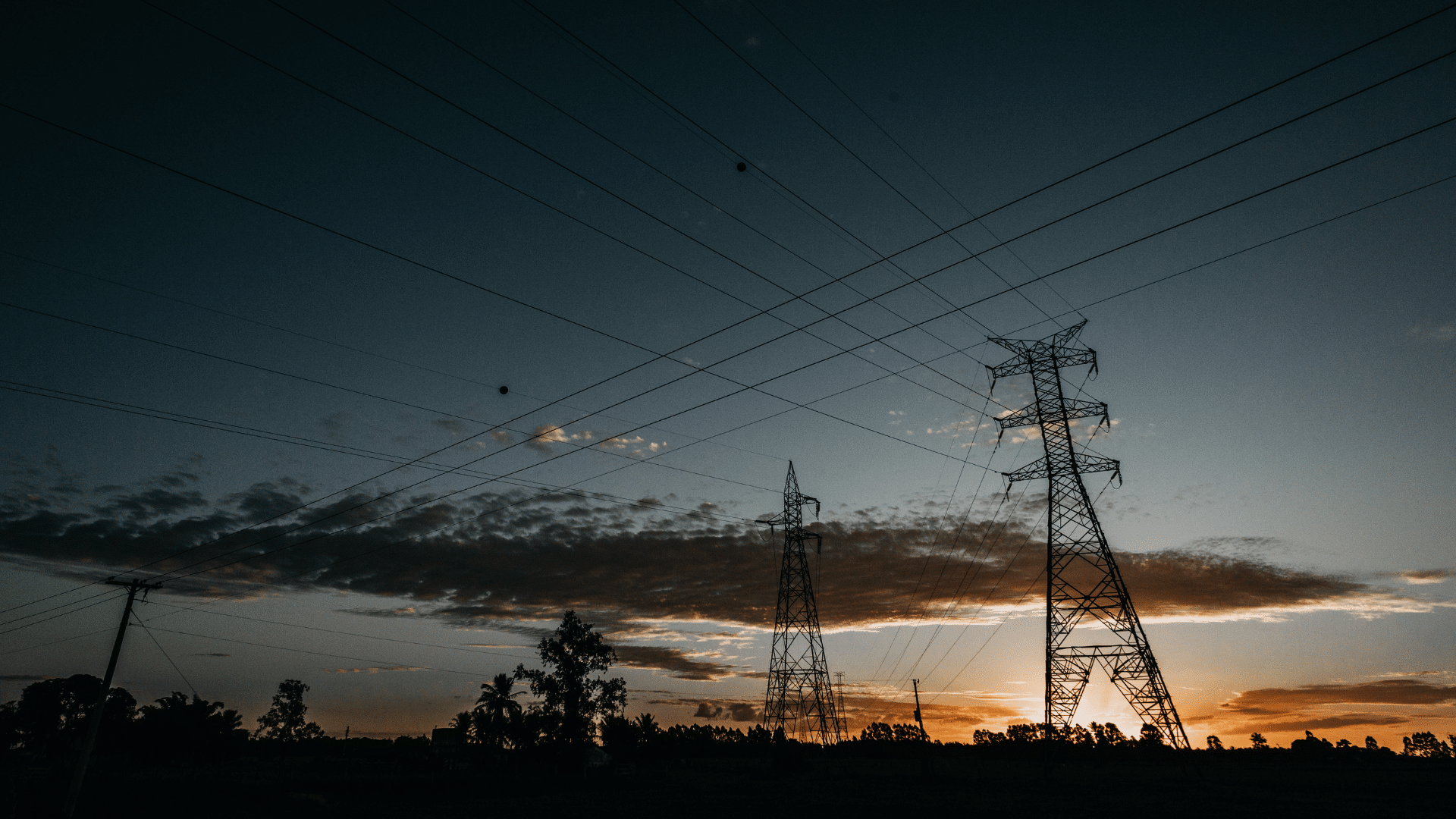

Brexit and Electricity Trading: Preserving the Benefits of Efficient Electricity Trading after Brexit

Brexit and Electricity Trading
The Workshop will first discuss which form of volume coupling is best suited for governing day-ahead trading on the borders between Great Britain and the EU/Northern Ireland, taking the limitations imposed by Brexit on the possible governance arrangements. In the second part we will turn to how disputes between operators/owners of interconnectors, disputes between regulators at different ‘ends’ of the interconnectors, and disputes between the parties to the TCA might be settled in the future. The TCA provides that exemptions from requirements for third-party access, unbundling and the use of revenues already granted to gas and electricity interconnectors will continue in accordance with the same terms.
To explore these issues, the Workshop will be structured in two sessions:
- Session I will focus on the possible future framework for day-ahead electricity trading between Great Britain and the EU/Northern Ireland, aiming at maximising benefits for consumers in the EU and the United Kingdom, while respecting the limitations imposed by Brexit on the governance arrangements.;
- Session II will focus on dispute resolution. Will European law still apply to the continental end of the interconnector. Or do we have to develop a new framework? After all, EU law defines an interconnector’ as a ‘transmission line which crosses or spans a border between Member States and which connects the national transmission systems of the Member States’, but what about interconnectors that do not connect Member States – but third countries, such as the UK. Can we learn from experience with the EEA?
Background
The United Kingdom left the European Union (EU) on 1 February 2020 (Brexit) and the transition period during which most of the provisions of EU Law, including those governing the Internal Electricity Market, still applied ended on 31 December 2020.
Therefore, as of 1 January 2021, electricity trading between Great Britain, on the one hand, and the European Union and the island of Ireland1, on the other hand, is no longer governed by the body of EU primary and secondary legislation implementing the Electricity Target Model (ETM) and Price-based Market Coupling. The ETM has been developed and implemented over the last fifteen years to deliver efficient cross-border trading to maximise benefits for final electricity consumers.
On 24 December 2020, the United Kingdom and the EU concluded a Trade and Cooperation Agreement (TCA)2 for the post-Brexit period, which is provisionally applicable as of 1 January 2021. This agreement provides a framework for future electricity trading across interconnectors between the United Kingdom and the EU. This framework should promote the efficient use of the interconnectors between Great Britain and the EU/Northern Ireland, in order to preserve, as much as possible, the benefits from trading achieved when the United Kingdom was part of the Internal
Electricity Market, avoid electricity flowing in the non-economic direction on the interconnectors and thus maximise benefits for electricity consumers in the United Kingdom and the EU3.
The TCA establishes a Specialised Committee on Energy (SCE) which is tasked with addressing various matters relating to energy under the TCA4. For the day-ahead timeframe, the SCE is expected to take steps to ensure TSOs develop a new procedure based on “multi-region loose volume coupling”, and a new algorithm, by the end of March 2022.
Please note: This event is by invitation only. For further information, please contact Elena Iorio.
Don’t miss any update on our events
Sign up for free and access the latest events from our community.
More on the topic