


Towards a global carbon market: how to ensure integrity and cooperation

As the world gathers in Belém, Brazil, for COP30, governments and stakeholders must accelerate the implementation of the Paris Agreement in this pivotal decade for climate action. Many countries are increasingly turning to domestic and international carbon credits under Article 6 of the Paris Agreement to achieve increased emission reductions. This growing engagement could foster a more integrated global carbon market, linking compliance and voluntary markets, emissions trading systems, and related pricing mechanisms.
This UNFCCC side event examines what is required to make such integration effective — from ensuring environmental integrity to strengthening social standards and cooperation. Speakers will reflect on lessons from the Clean Development Mechanism and from voluntary markets, discuss supply- and demand-side measures, and consider how diverse actors, including SMEs, can benefit from market participation under Articles 6.2 and 6.4.
The session is organised by the European University Institute (EUI), the International Carbon Action Partnership (ICAP), Tsinghua University, the Seoul International Law Academy (SILA), the World Union of Small and Medium Enterprises (WUSME), and the German Emissions Trading Association (BVEK) and brings together perspectives from academia, policy, and business to discuss how carbon markets can deliver real mitigation outcomes, broader participation, and sustainable development benefits.
Registered participants of the climate conference can follow the event via the COP30 Virtual Platform.
Programme
-
Welcome and Introduction
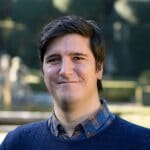
Jacopo Bencini (European University Institute – EUI) -
Scene-Setting Presentations
Chair: Jacopo Bencini (European University Institute – EUI)-
Stefano De Clara (International Carbon Action Partnership – ICAP)
-
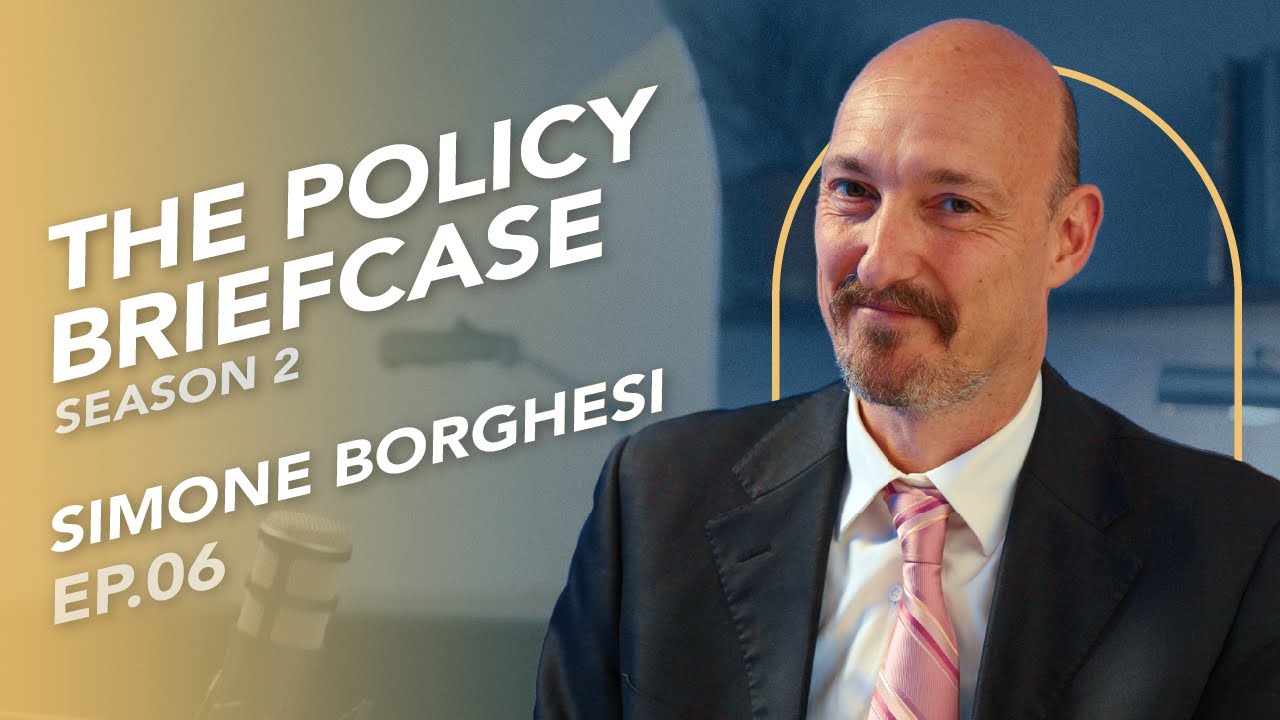
Simone Borghesi (European University Institute – EUI)
-
-
Roundtable Discussion
Chair: Robert Tippmann (German Emissions Trading Association – BVEK)-
Yuyan Weng (Tsinghua University)
-
Barbara Terenzi (World Union of Small and Medium Enterprises – WUSME)
-
Suh-Yong Chung (Seoul International Law Academy – SILA)
-
-
Conclusion
Jacopo Bencini (European University Institute – EUI)
Don’t miss any update on our events
Sign up for free and access the latest events from our community.
More on the topic